Tejas Jet Crashes Expose Failures in India’s “Made in India” Defense Project

Web Desk
16 March, 2026 09:32
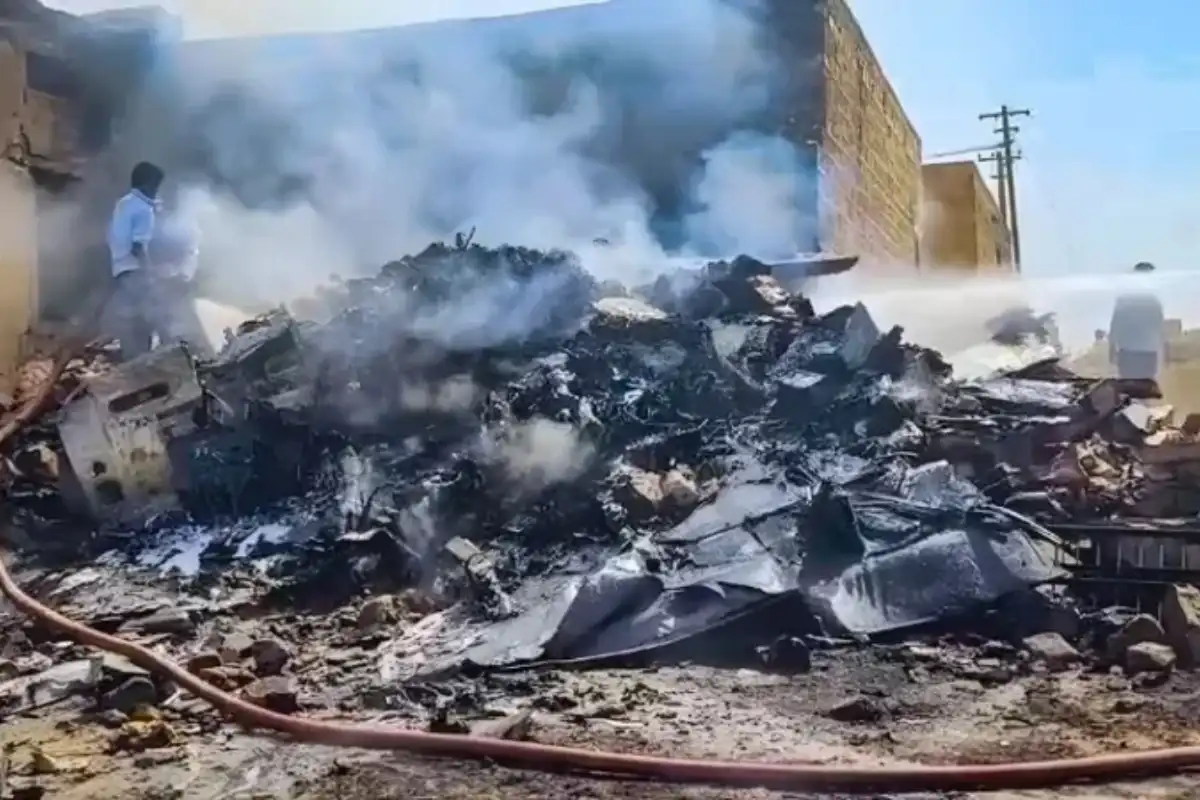
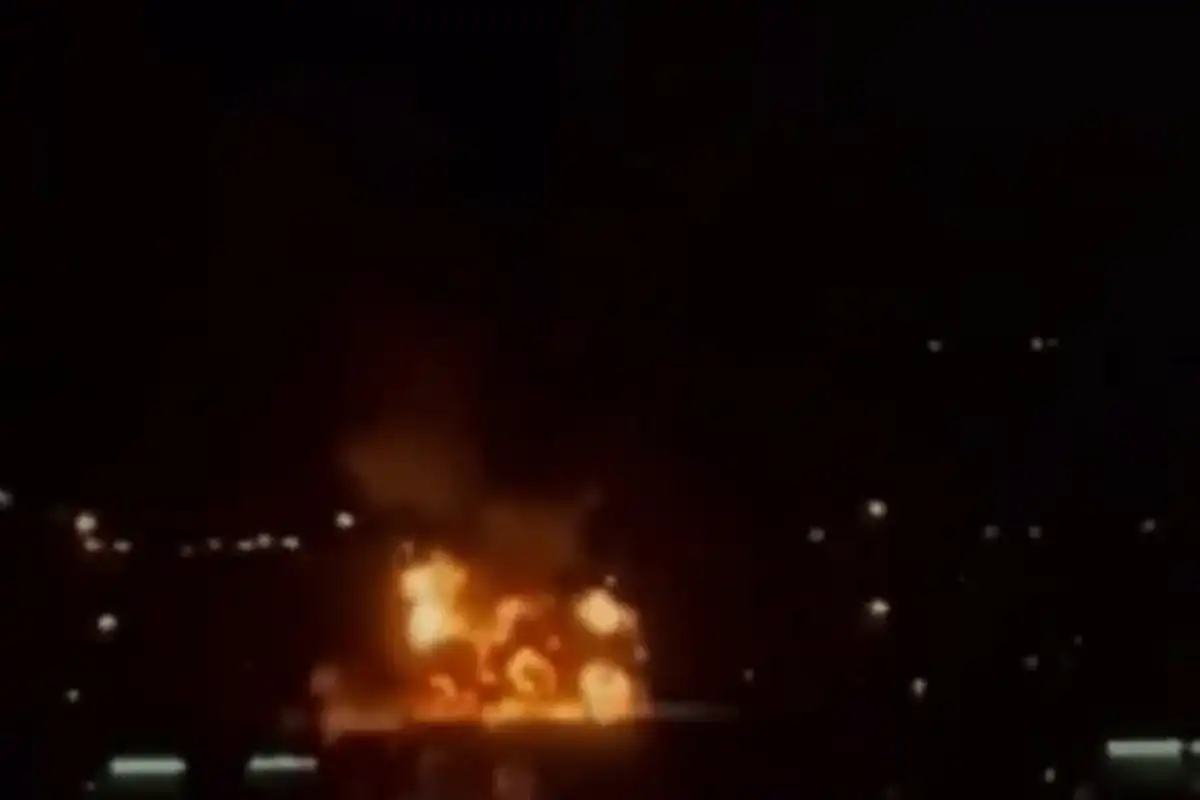
IAF HAL Tejas Fighter Jet Crashes During Landing, Pilot Ejects Safely
The crashes involving India’s indigenously developed Tejas fighter jets have exposed serious weaknesses in the country’s so-called “Made in India” defense program and raised questions about its military capabilities.
With repeated aircraft accidents, analysts say the ambitions of Indian Prime Minister Narendra Modi to present India as a global military power have faced a major setback.
According to a recent BBC report, the growing number of fighter jet accidents is undermining India’s dream of becoming a major military power.
Following the third Tejas crash on February 7, 2026, the Indian Air Force quietly grounded the entire fleet of 30 Tejas aircraft, the BBC reported.
The Tejas fighter jet program originally began in 1981, and the aircraft conducted its first test flight in 2001. However, despite decades of development, India has still been unable to produce its own jet engine for the aircraft.
According to the report, several key components of the Tejas jet — including engines, avionics, radar systems, and weapons — are imported from the United States and Israel.
Defense experts say grounding an entire fleet of aircraft usually indicates a serious technical problem.
India also currently lacks a fifth-generation fighter jet, and although it has shown interest in Russia’s Su-57 stealth fighter, concerns remain that purchasing it could lead to displeasure from the United States, the BBC said.
Meanwhile, on March 6, a Russian-built Su-30MKI fighter jet also crashed near Jorhat, further raising concerns about the reliability of India’s air power.
Military analysts say the Indian Air Force requires at least 42 squadrons to meet its operational needs, but the number continues to decline.
The grounding of Tejas aircraft, the shortage of squadrons, and operational challenges together highlight structural weaknesses in India’s air power, according to defense experts.
Experts believe that the repeated crashes of fighter jets, including the Tejas, point to technical and operational limitations within the Indian Air Force.
They argue that the Tejas accident cannot be attributed to a single pilot’s mistake but instead reflects broader failures in India’s defense industrial system and long-term planning.
According to the BBC, experts believe the Indian Air Force may still be decades away from achieving its desired operational capability.
Catch all the World News, Breaking News Event and Trending News Updates on GTV News
Join Our Whatsapp Channel GTV Whatsapp Official Channel to get the Daily News Update & Follow us on Google News.
Must Read