
Oil Prices Rise as Markets Assess Supply Risks After Iran Denies US Talks

Web Desk
24 March, 2026 10:05
Oil Prices Rise as Markets Assess Supply Risks After Iran Denies US Talks
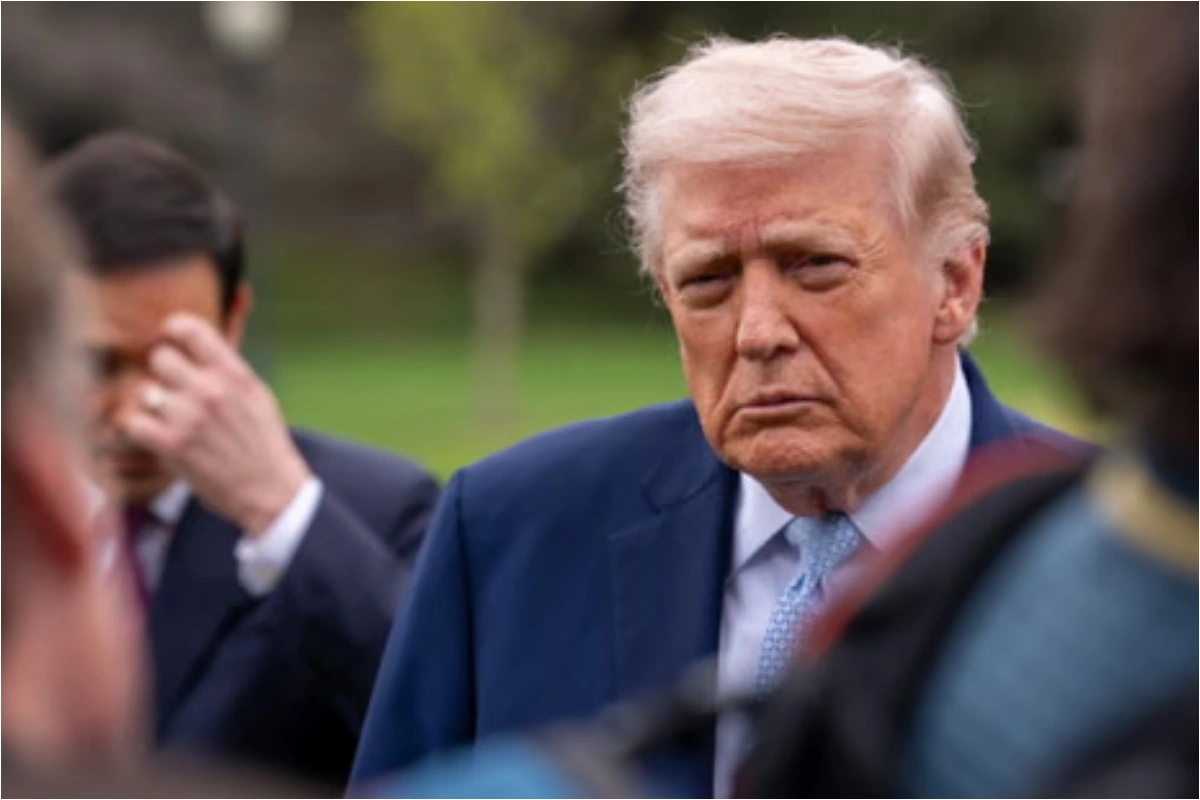
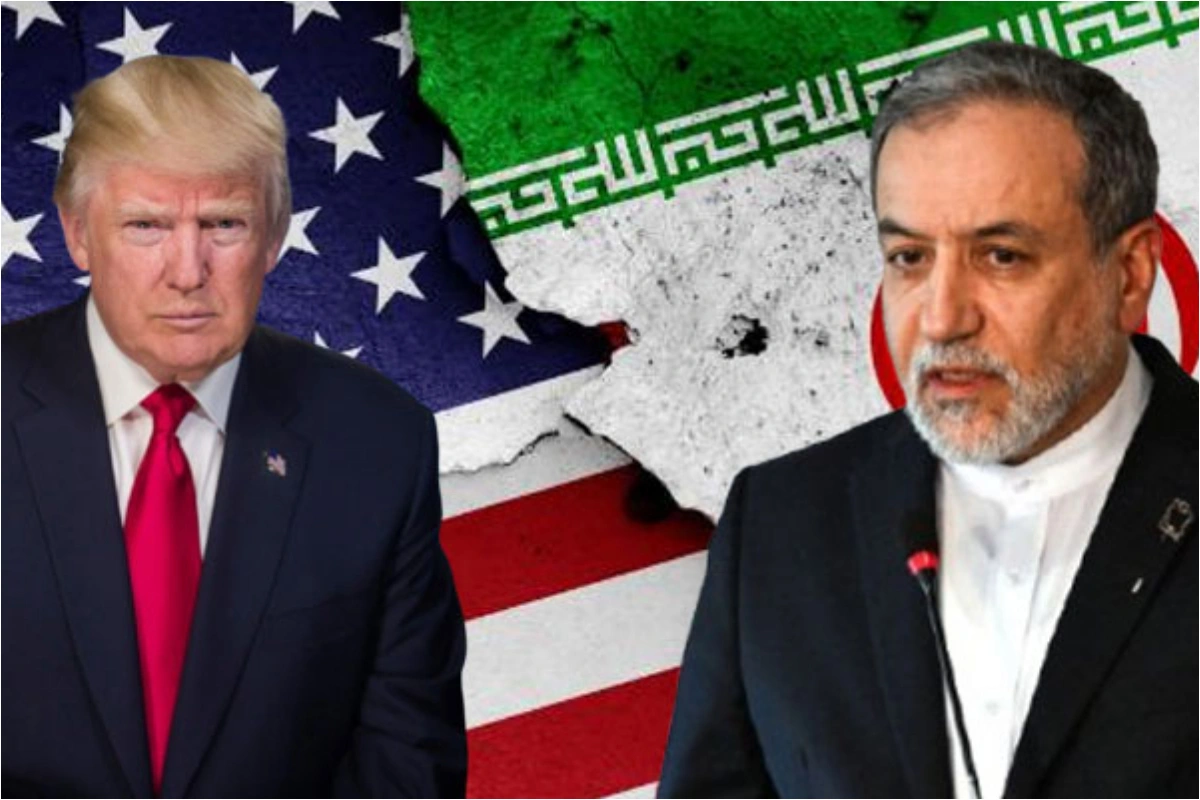
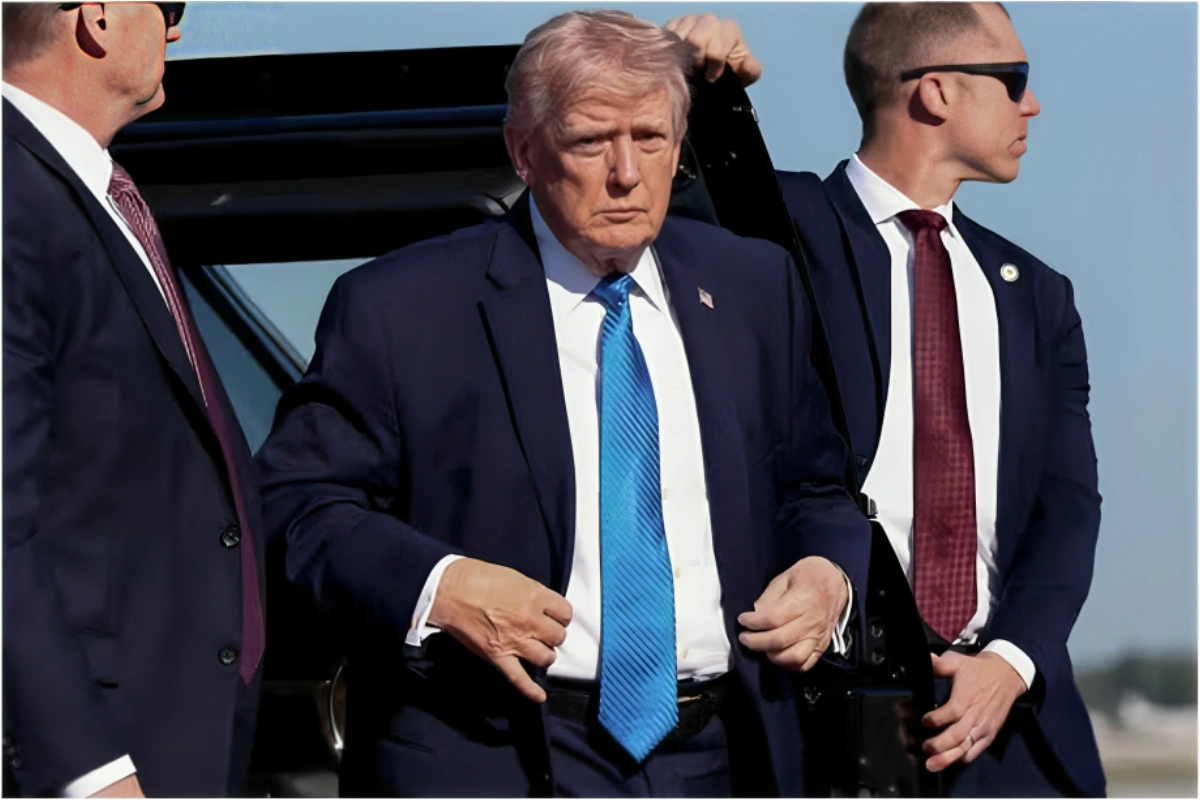
Oil prices moved higher in early Tuesday trading as global markets reacted to rising supply concerns, after Iran denied holding any talks with the United States to end the ongoing Gulf conflict. The statement contradicted claims by Donald Trump, who suggested that a deal could be reached soon.
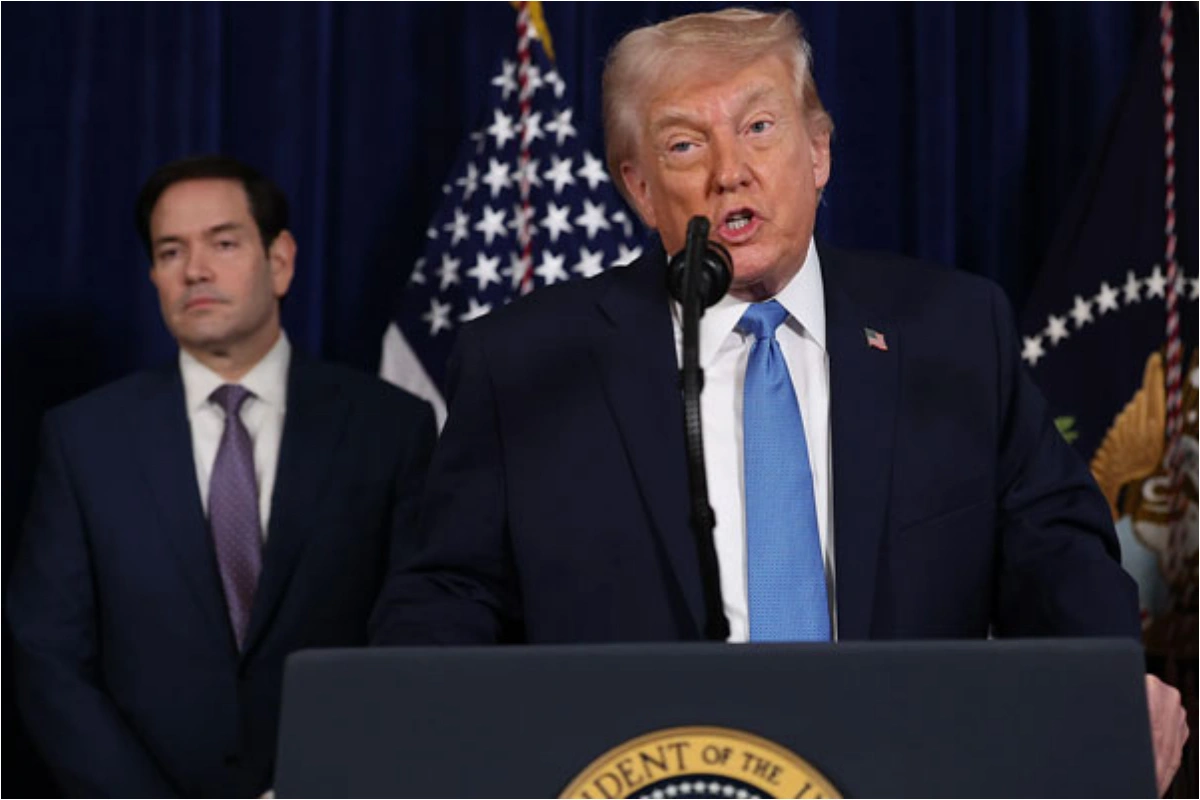
Brent crude futures increased by 1.1% to $101 per barrel, while US West Texas Intermediate (WTI) crude rose 1.8% to $89.71. The gains came after a sharp decline of more than 10% on Monday, when Trump announced a five-day delay in planned strikes on Iran’s power plants and hinted at progress in discussions with Iranian officials.
Market analysts said the temporary pause in military action reduced the “war premium” in oil prices, but uncertainty remains high. Experts noted that although attacks are currently on hold, the Strait of Hormuz remains a major concern for global energy supplies.
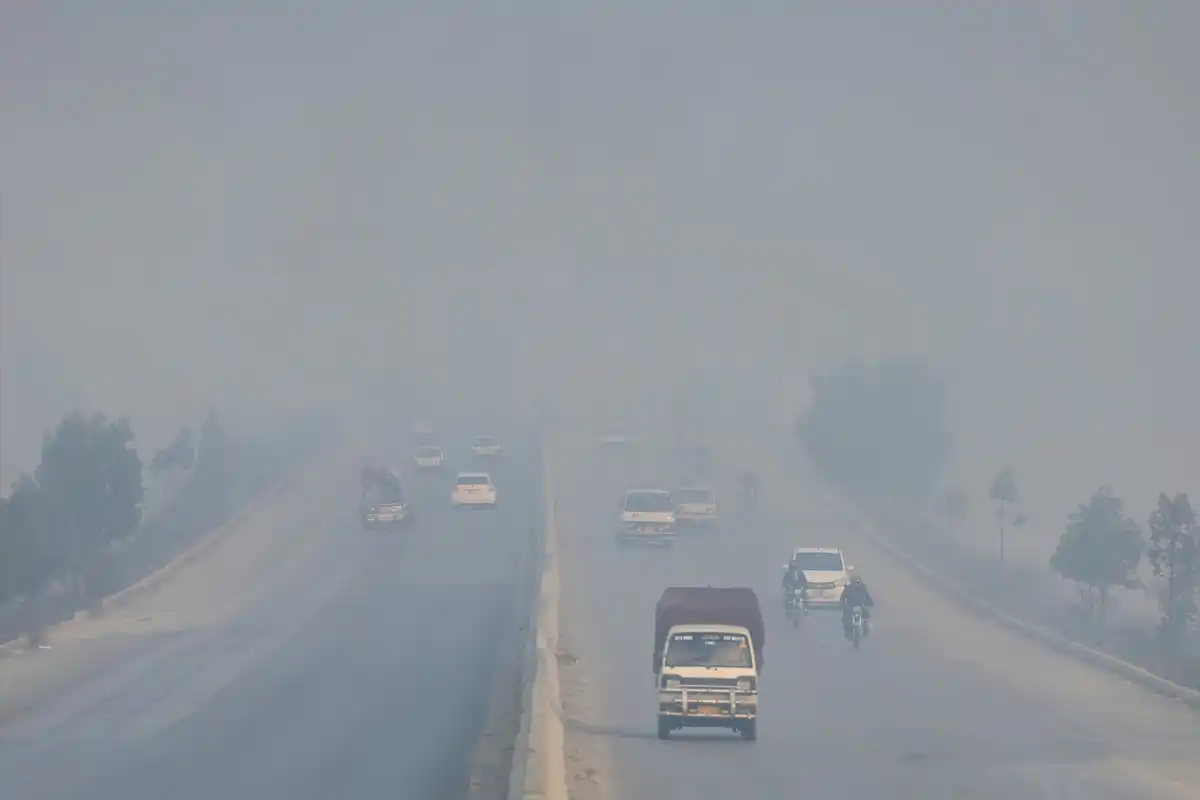
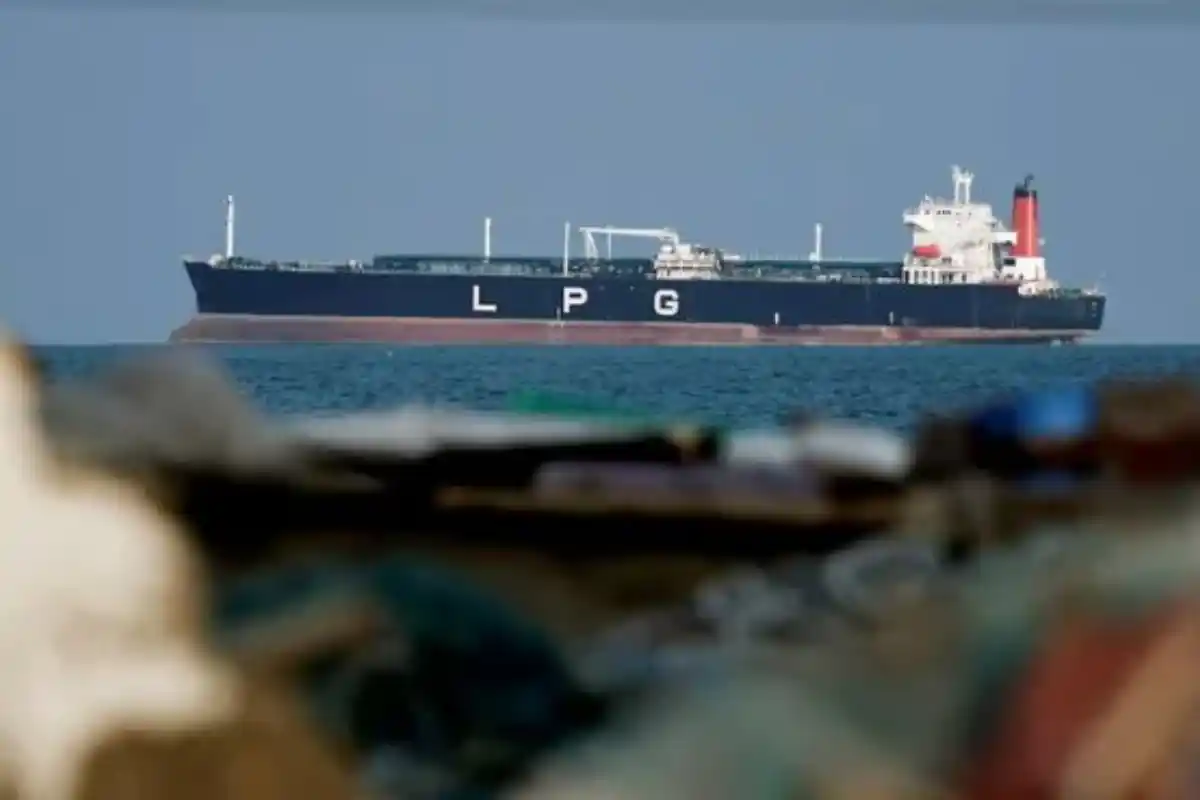
The conflict has significantly disrupted shipments through the Strait of Hormuz, a key route that handles nearly one-fifth of the world’s oil and liquefied natural gas. Despite tensions, two oil tankers heading to India successfully passed through the strait on Monday.
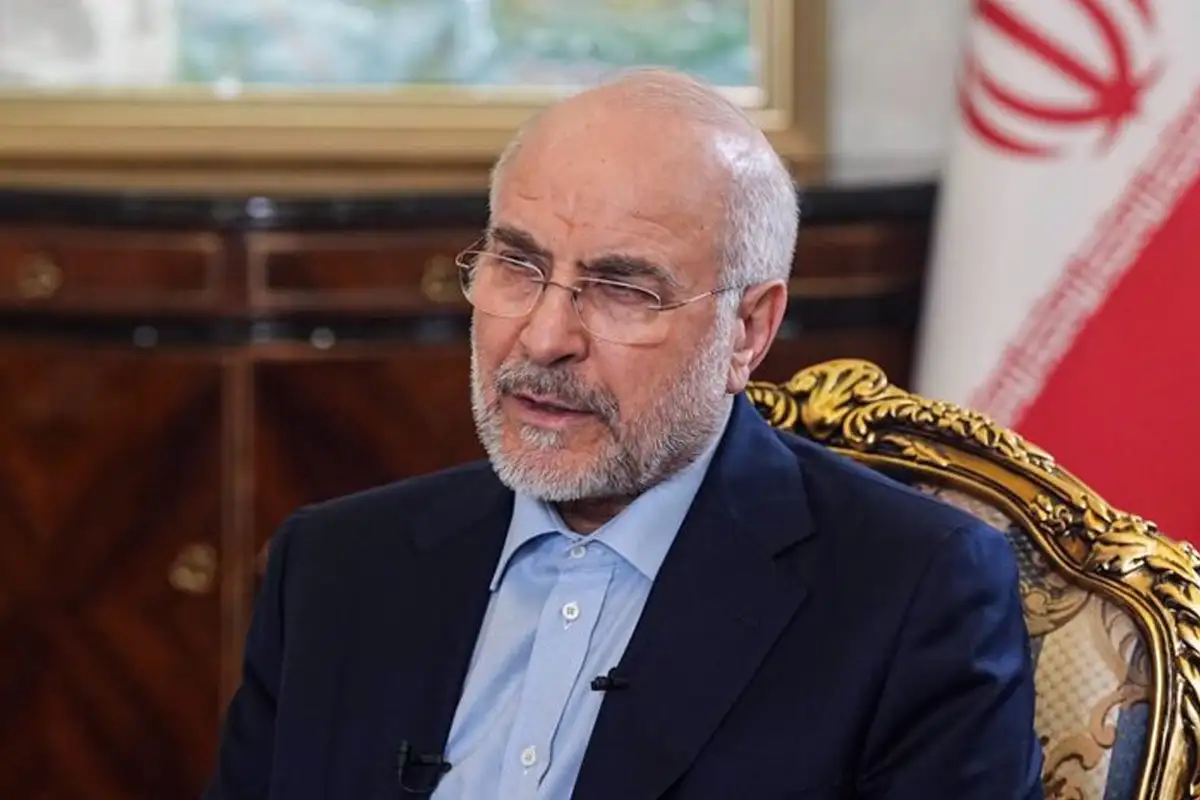
Iran rejected US claims of negotiations, calling them an attempt to influence financial markets. Meanwhile, Iran’s Revolutionary Guards reported new attacks on US targets and dismissed Washington’s statements as psychological tactics.
Analysts believe oil prices may remain volatile, with estimates suggesting a price floor between $85 and $90 per barrel. Some forecasts indicate that prices could rise toward $110, and even reach $150 per barrel if disruptions in the Strait of Hormuz continue into late April.
The ongoing conflict has also damaged key energy infrastructure across the region. Recent reports indicate that gas facilities in Isfahan and pipelines near Khorramshahr were hit in fresh attacks, further raising supply concerns.
To manage shortages, the United States has temporarily eased sanctions on Russian and Iranian oil already at sea. Industry sources say traders are now offering Iranian crude to Indian buyers at premium rates following this move.
The International Energy Agency (IEA) is also in talks with Asian and European countries about possible releases of strategic oil reserves if needed. Energy experts warn that the prolonged conflict could have serious long-term effects on the global economy, although some US officials have downplayed the risks.
Catch all the World News, Breaking News Event and Trending News Updates on GTV News
Join Our Whatsapp Channel GTV Whatsapp Official Channel to get the Daily News Update & Follow us on Google News.
Must Read