
Iran Demands US Base Closures and Hormuz Transit Fees in Ceasefire Terms

Web Desk
25 March, 2026 16:08
Iran Demands US Base Closures and Hormuz Transit Fees in Ceasefire Terms
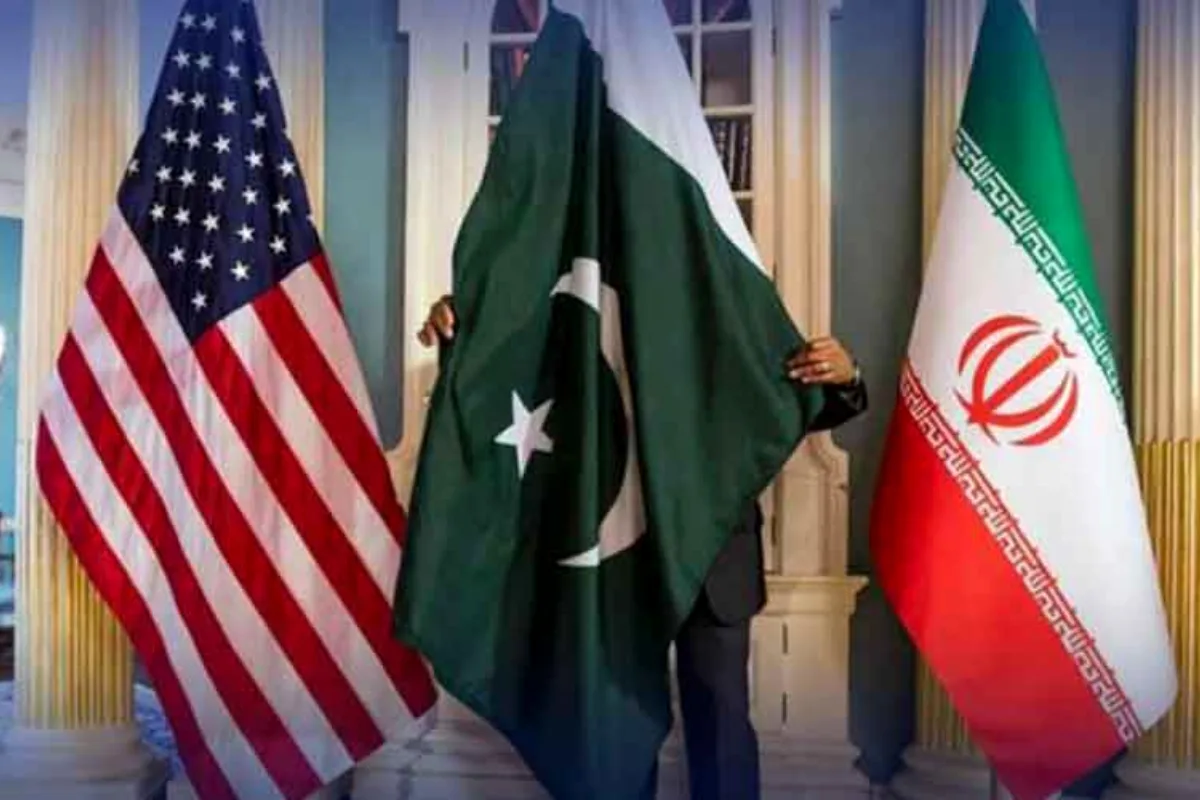
In response to a proposal by Donald Trump for renewed talks, Iran has reportedly set sweeping demands. These include shutting down American military bases in the Gulf, ending sanctions, and securing control over a key shipping route.
At the same time, Tehran publicly rejected Washington’s claims of ongoing negotiations, saying there is no chance of a deal between the two countries.
High Bar for Talks
According to the Wall Street Journal, Iran has made it clear that the bar for re-entering negotiations on a ceasefire deal remains high, even as indirect engagement between the sides is taking shape.
Iranian representatives have pushed for:
- Closure of all American bases in the Gulf
- Financial compensation for wartime damage
- Ending Israel’s campaign against Hezbollah
They have also asked for a framework allowing Iran to collect fees from ships passing through the Strait of Hormuz, one of the world’s most important oil transit routes. The Channel 12 reported that the Islamic Revolutionary Guard Corps has consolidated power within Iran’s leadership and is driving these demands.
Strait of Hormuz at the Centre
Another major demand is a new arrangement for the Strait of Hormuz that would place it effectively under Iranian control, along with guarantees that hostilities would not resume. Iran also insists on lifting all sanctions as part of any agreement to end the conflict.
Possible Signs of Flexibility
Despite the tough public stance, reports suggest Iran may signal some flexibility in private. According to Channel 12, Tehran could:
- Halt its ballistic missile programme for five years
- Reduce uranium enrichment levels
- Discuss its stockpile of 60% enriched uranium
- Allow inspections of remaining centrifuges by the International Atomic Energy Agency
Regional Proxy Groups
Iran could also consider stopping funding for regional proxy groups, including Hezbollah, Hamas, and Iraqi militias, as part of a broader deal. These are seen as potential opening moves, even though the official stance remains firm.
Strong Rhetoric from Iran
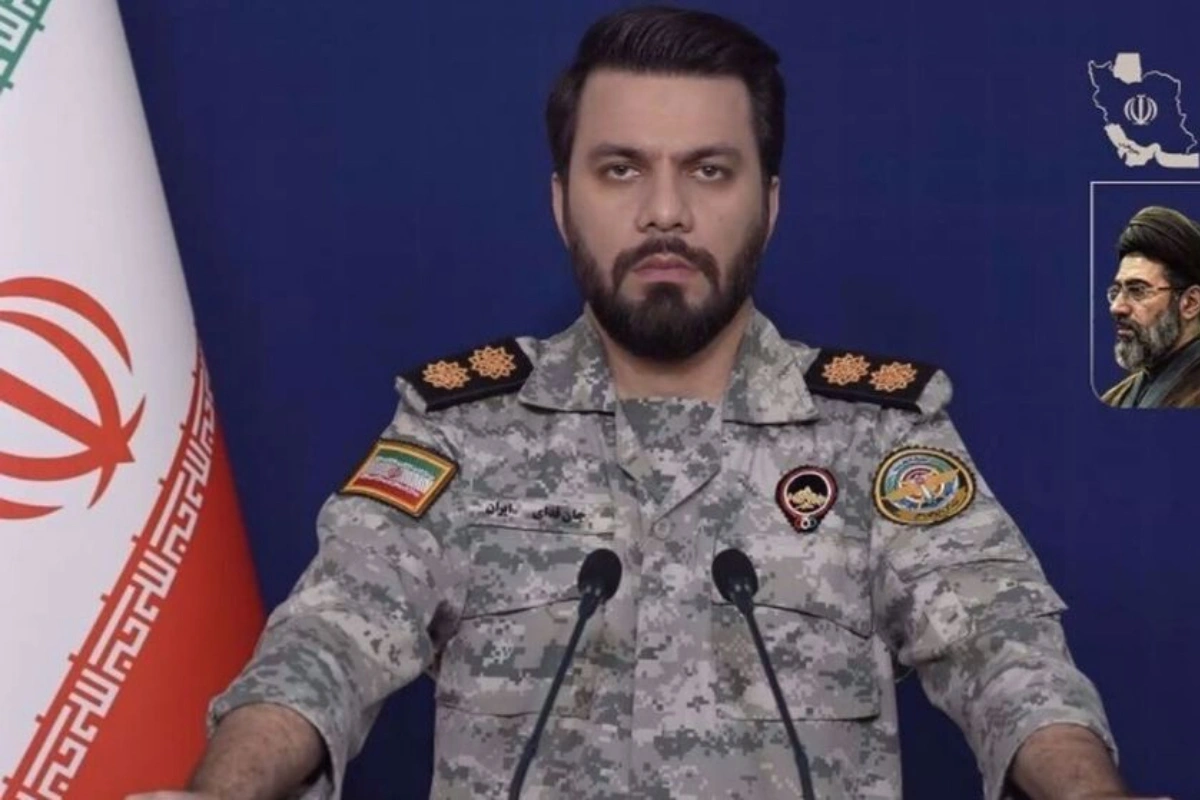
Earlier, Iranian military spokesperson Ebrahim Zolfaqari mocked US leadership, saying:
- “The United States is negotiating with itself.”
- “Has the level of your inner struggle reached the stage of you negotiating with yourself?”
- “People like us can never get along with people like you.”
Zolfaqari also warned that US economic interests would remain under pressure:
- “US investments and pre-war energy prices would not return as long as Washington does not accept that regional stability is guaranteed by Iranian armed forces.”
High-Stakes Negotiations Ahead
The mix of hardline public demands and possible private concessions shows how complex the negotiations are. With both sides testing what the other may accept, the path to any ceasefire remains uncertain, and the stakes extend well beyond the immediate conflict.
Catch all the World News, Breaking News Event and Trending News Updates on GTV News
Join Our Whatsapp Channel GTV Whatsapp Official Channel to get the Daily News Update & Follow us on Google News.
Must Read

Entertainment
Armaan Malik Sparks Divorce Rumors Amid First Wife Payal’s Fourth Pregnancy
25-March،2026