US-Israel Strikes Cause Environmental Harm in Iran

US-Israel Strikes Cause Environmental Harm in Iran
Following the start of the war that the United States and Israel imposed on Iran on February 28, several civilian targets were hit throughout the nation, resulting in significant environmental devastation that was frequently denounced as ecocide.
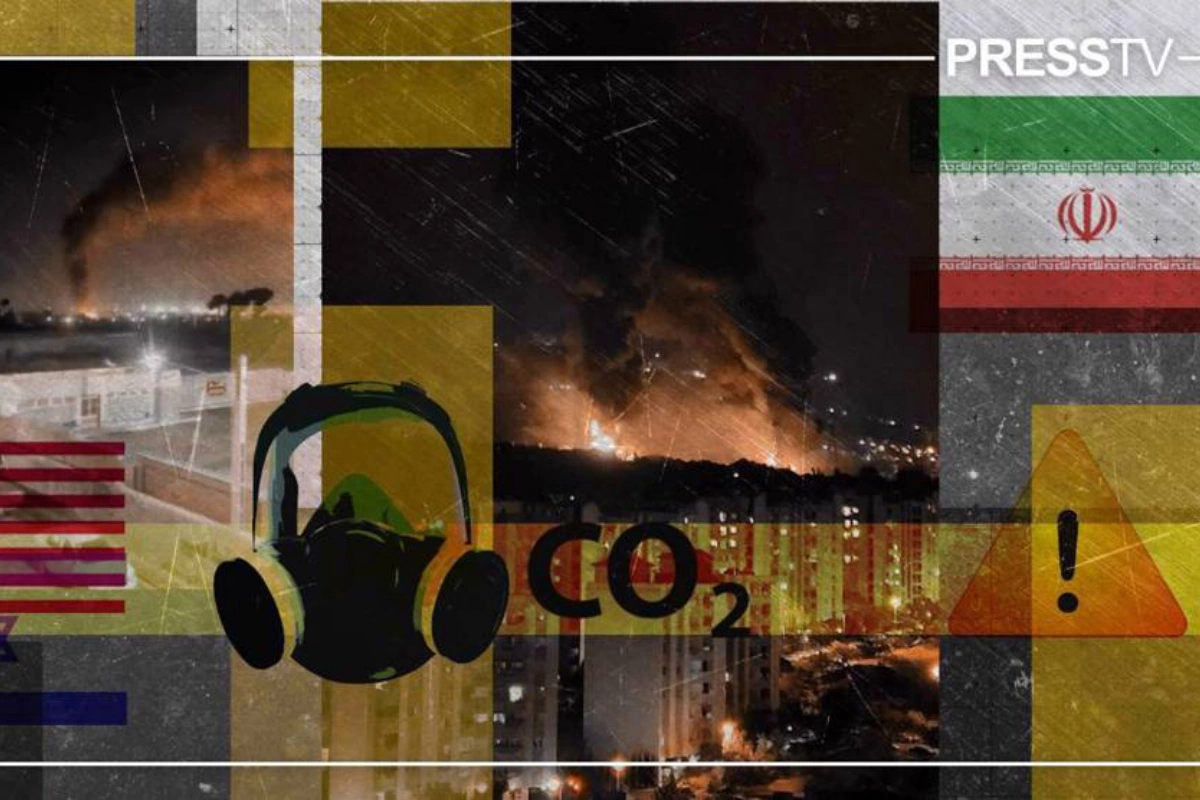
One of the most obvious instances of this strategy among these operations is the targeting of oil storage facilities in different areas of Tehran on the ninth day of the conflict.
In addition to causing substantial material damage, the violent strikes led to the widespread discharge of pollutants into metropolitan areas, which had detrimental effects on both the environment and public health.
Reports indicate that on March 8, a number of fuel-related and oil storage sites in the provinces of Tehran and Alborz were targeted.
Numerous storage depots and at least one oil transfer and logistics center, including locations in Tehran’s northern, southern, and western regions as well as a facility in Karaj, are reportedly being targeted.
According to an analysis of local media accounts, the oil facilities in Kouhak, Fardis, Shahran, and Shahr-e Rey were the four main targets.
The surrounding surroundings were severely damaged by the strong explosions of fuel tanks. The demolition of a dialysis facility in Fardis, on the outskirts of Tehran, was one of the most notable incidents.
Two schools and about 100 residential units were also damaged, according to officials.
Along with human casualties—six fatalities and twenty-one injuries were reported in Fardis alone—the attacks’ immediate aftermath included tremendous fire and dense, dark smoke plumes that covered much of Tehran’s sky.
Suffocating air conditions, intense eye and throat discomfort, and the buildup of soot and a black film coating cars and urban surfaces were all reported in field reports and eyewitness testimonies.
Additionally, visual evidence showed that petroleum products were leaking into roadways. This is a serious environmental problem since it represents the direct transfer of hydrocarbons into urban soils, surface drainage systems, and perhaps groundwater reserves through infiltration and storm runoff.
This contamination can go great distances and impact nearby areas as well as far-off cities; it is not limited to the immediate locations of the attacks.
Following the bombing, Tehran’s air pollution was so bad, according to the media, that it reached places like Garmsar and Eyvanki in Semnan Province, which are around 100 kilometers from the capital.
Large amounts of hazardous substances, such as hydrocarbons, sulfur oxides, and nitrogen oxides, were released into the atmosphere when oil stores exploded.
These compounds can create extremely acidic precipitation when they mix with atmospheric moisture.
Catch all the World News, Breaking News Event and Trending News Updates on GTV News
Join Our Whatsapp Channel GTV Whatsapp Official Channel to get the Daily News Update & Follow us on Google News.
Must Read