Pakistan’s Smaller Defence Budget, Bigger Battlefield Result: What SIPRI’s Numbers Actually Show

Money didn’t win this war. That’s the uncomfortable data point sitting inside the Stockholm International Peace Research Institute’s 2025 figures, and it’s worth examining without the usual nationalist framing attached to it.
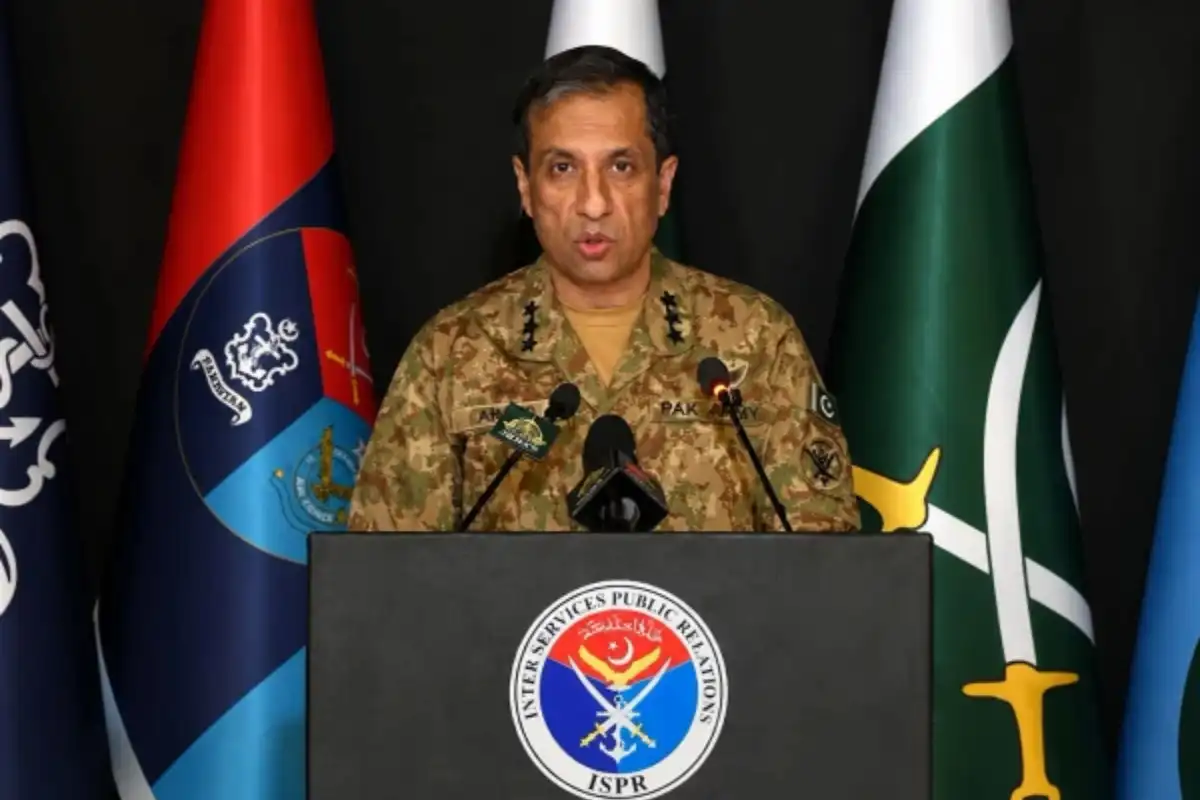
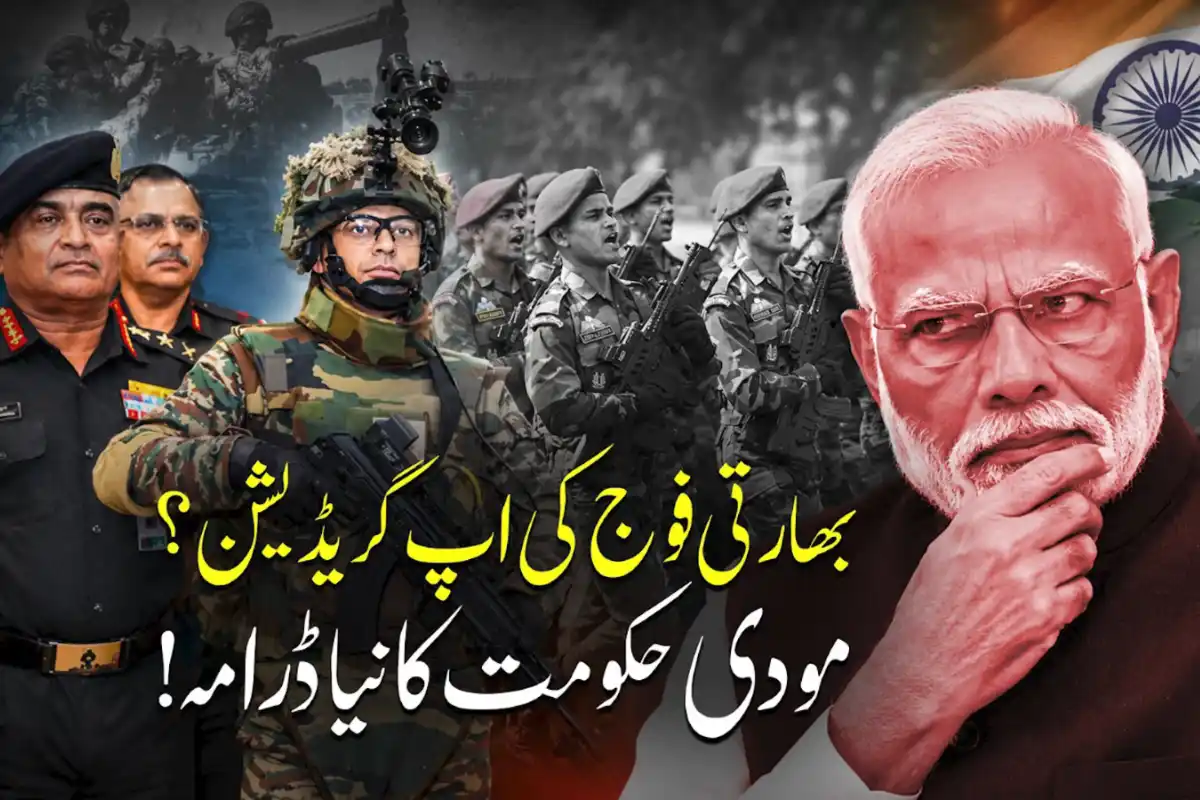
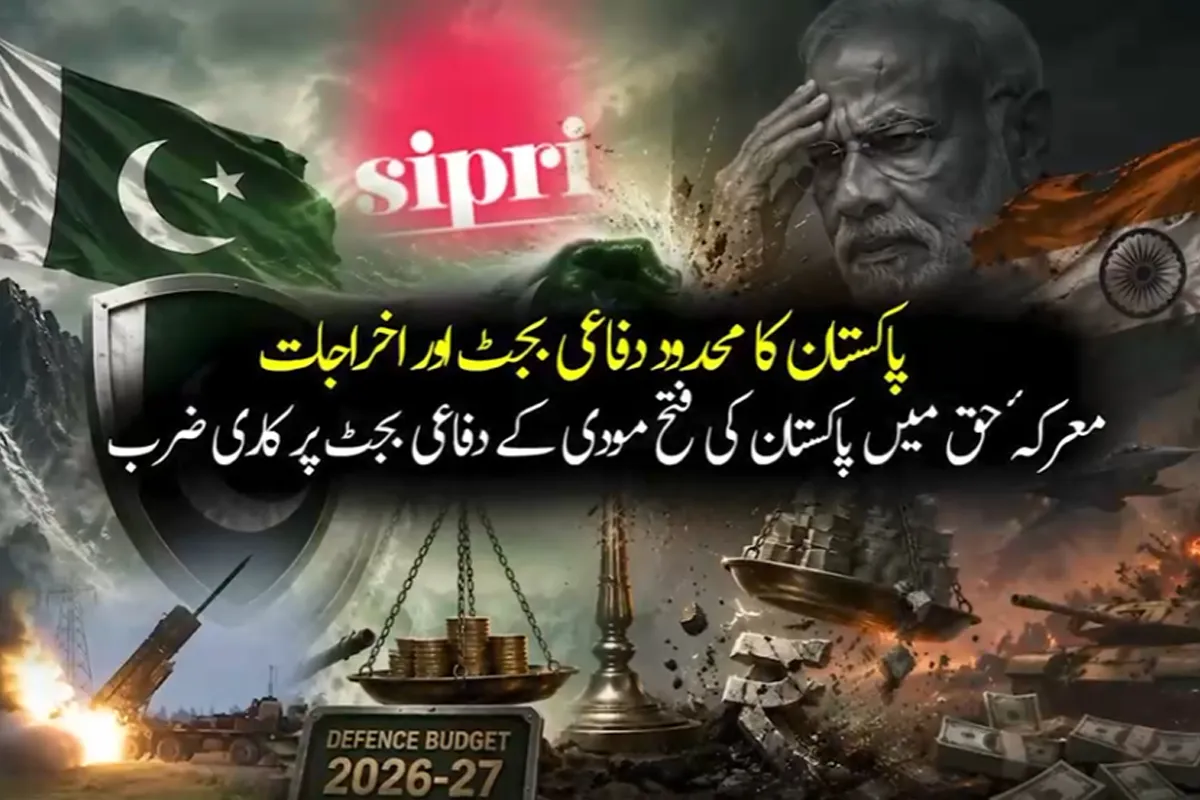
SIPRI ranked India as the world’s fifth-largest defence spender in 2025, with military expenditure climbing 8.9 percent to reach $92.1 billion. Pakistan, despite being engaged in active conflict with India during the same period, increased its own spending by 11 percent to just $11.9 billion — roughly an eighth of India’s outlay. The disparity didn’t translate into the battlefield outcome that raw spending differentials typically predict.
The Budget Gap Is Widening, Not Narrowing
Official figures for the 2026-27 fiscal year project the gap growing further. Indian authorities have allocated approximately $80 billion (7.85 lakh crore rupees) for defence, a nearly 15 percent increase. Pakistan’s government, despite facing the same adversary, has capped its 2026-27 defence budget at $10.8 billion (3,000 billion rupees). India is now budgeting roughly seven times what Pakistan spends.
This is precisely the kind of asymmetry that conventional military analysis treats as decisive. It wasn’t.
Where Pakistan’s Money Actually Goes
Defence analysts point to an underexamined detail: more than 80 percent of Pakistan’s defence budget is consumed by maintenance, salaries, and other essential recurring costs — expenditure that simultaneously supports broader economic stability rather than purely expanding offensive capability. This is a structurally different spending profile than discretionary procurement-heavy budgets, and it partly explains why raw dollar comparisons between the two countries’ defence spending can mislead rather than inform.
Analysts also argue that Pakistan’s defence allocations face persistent misrepresentation in international discourse, with characterizations that don’t match the budget’s actual composition or the operational demands driving its growth — chiefly modern warfare requirements and sustained counter-terrorism operations along Pakistan’s western border.
Why Operation Sindoor Became a Reference Point
The reason this budget comparison resurfaced is Operation Sindoor itself, which exposed a gap between India’s spending capacity and its battlefield execution. A nearly eight-to-one spending advantage did not produce a corresponding gap in operational outcomes — a result that has reportedly generated scrutiny of India’s military doctrine, equipment integration, and command decision-making in defence circles internationally.
The Strategic Lesson Beyond the Numbers
Military history offers plenty of precedent for budget-outcome mismatches — the Soviet-Afghan war and Vietnam both demonstrated that resource asymmetry doesn’t guarantee battlefield success. What Operation Sindoor adds to that pattern is a contemporary, conventional-forces case study rather than an asymmetric insurgency, making the comparison more directly relevant to standard military planning assumptions.
Analysts argue the deciding factors were training quality, operational strategy, and decisive field leadership — variables that don’t scale linearly with budget size and are far harder to purchase than additional hardware.
What This Means Going Forward
For Pakistan, the data offers a specific kind of validation: proof that institutional efficiency and operational readiness can offset numerical and financial disadvantage, at least in a contained engagement. For India, the widening 2026-27 budget gap raises a harder question — whether continued spending increases will address the doctrinal or execution issues exposed in 2025, or simply repeat the same gap between expenditure and outcome at a larger scale.
The next budget cycle, and any future engagement, will determine which interpretation holds.
Catch all the World News, Breaking News Event and Trending News Updates on GTV News
Join Our Whatsapp Channel GTV Whatsapp Official Channel to get the Daily News Update & Follow us on Google News.
Must Read