
Oil prices fall as Strait of Hormuz ship traffic increases


Crude Oil Prices Rise to Two-Month High on Supply Concerns
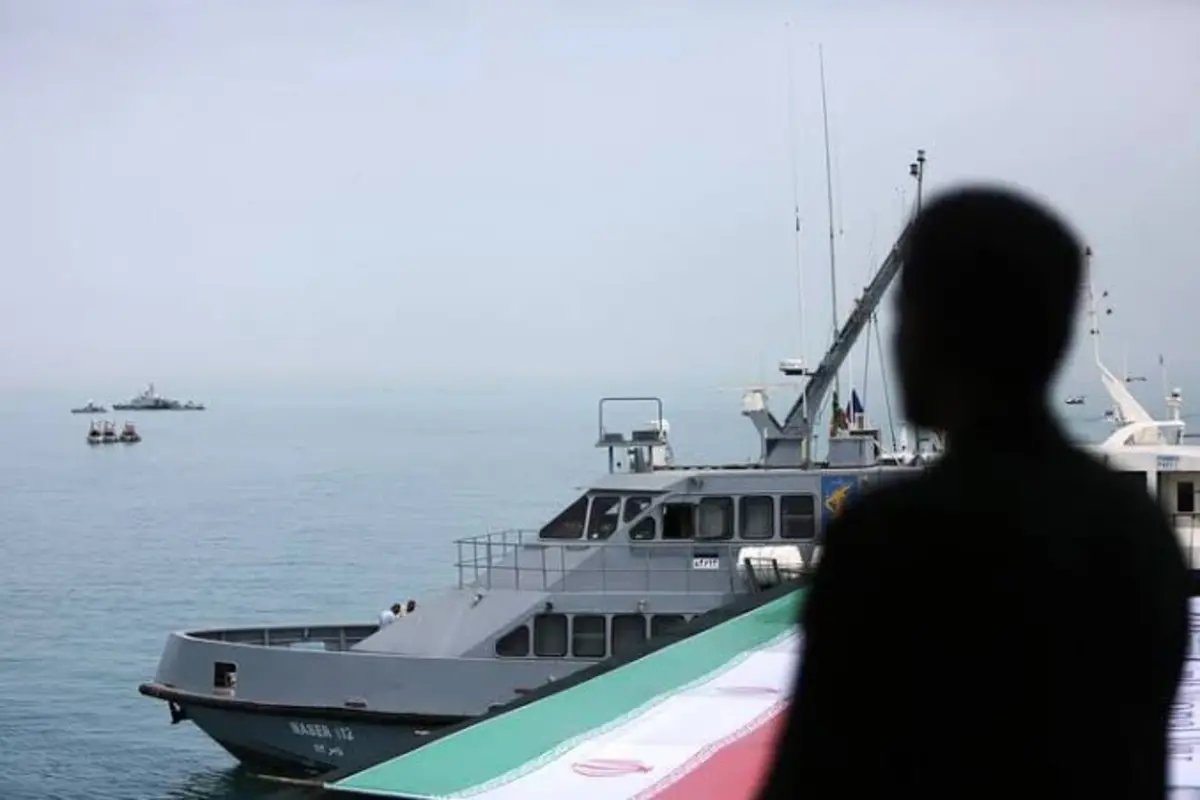
Oil prices fell by more than 1% on Wednesday, continuing this week’s losses and staying near their lowest levels in four months. The decline came as more oil tankers stranded in the Gulf were expected to move through the Strait of Hormuz.
Brent crude prices dropped 78 cents, or 1%, to $76.30 per barrel. US West Texas Intermediate crude also fell 78 cents, or 1.1%, to $72.43 per barrel.
Both oil benchmarks had already fallen around 1% on Tuesday and reached their lowest levels since early March.
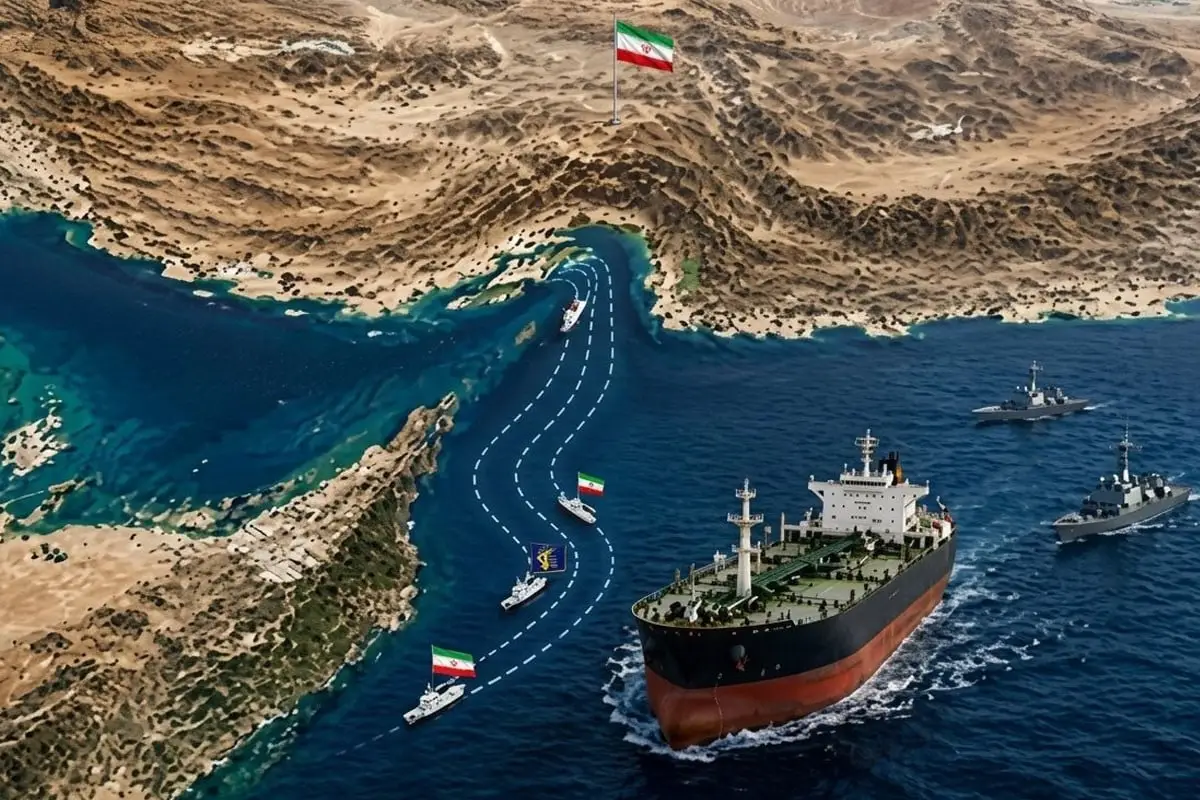
Analysts said positive developments in the Persian Gulf have increased hopes that oil shipments through the Strait of Hormuz will continue smoothly. More ships have started crossing the waterway in recent days, although traffic remains below levels seen before the conflict.
Oil prices also came under pressure after Washington granted Tehran a 60-day sanctions waiver following initial peace talks, allowing Iran to sell oil again. At the same time, tensions in Lebanon have eased.
“Crude oil prices were weighed down by hopes of easing US-Iran tensions and a recovery in oil shipments through the Strait of Hormuz,” said Tomomichi Akuta, senior economist at Mitsubishi UFJ Research and Consulting.
“Further progress in nuclear negotiations could push prices back to pre-war levels,” he added.
On Tuesday, Oman and Iran agreed to continue talks about the future management of navigation in the Strait of Hormuz. US Secretary of State Marco Rubio said any attempt by Iran to charge transit fees would violate international law.
However, uncertainty still remains. US President Donald Trump said Iran had agreed to nuclear inspections into “infinity,” but Tehran said it had made no such commitment during negotiations.
Investors are also closely watching how quickly Middle Eastern countries can restore oil exports and whether more ships will return to the region.
An Iranian military source told Fars news agency that only a limited number of ships are currently being allowed to pass through the strait each day under coordination with Iran’s Revolutionary Guards Navy.
Ship-tracking data showed that three stranded supertankers passed through the strait on Tuesday. The United Nations shipping agency also said plans are underway to help hundreds of ships and around 11,000 seafarers stranded in the Gulf sail through the waterway after the US-Iran ceasefire agreement.
Meanwhile, US crude oil inventories fell by 765,000 barrels during the week ending June 19, according to market sources citing data from the American Petroleum Institute. Analysts surveyed by Reuters had expected a larger decline of about 4.5 million barrels.
Catch all the World News, Breaking News Event and Trending News Updates on GTV News
Join Our Whatsapp Channel GTV Whatsapp Official Channel to get the Daily News Update & Follow us on Google News.
Must Read