
Oil prices rise after fresh US-Iran strikes in the Middle East

Oil prices rise after fresh US-Iran strikes in the Middle East
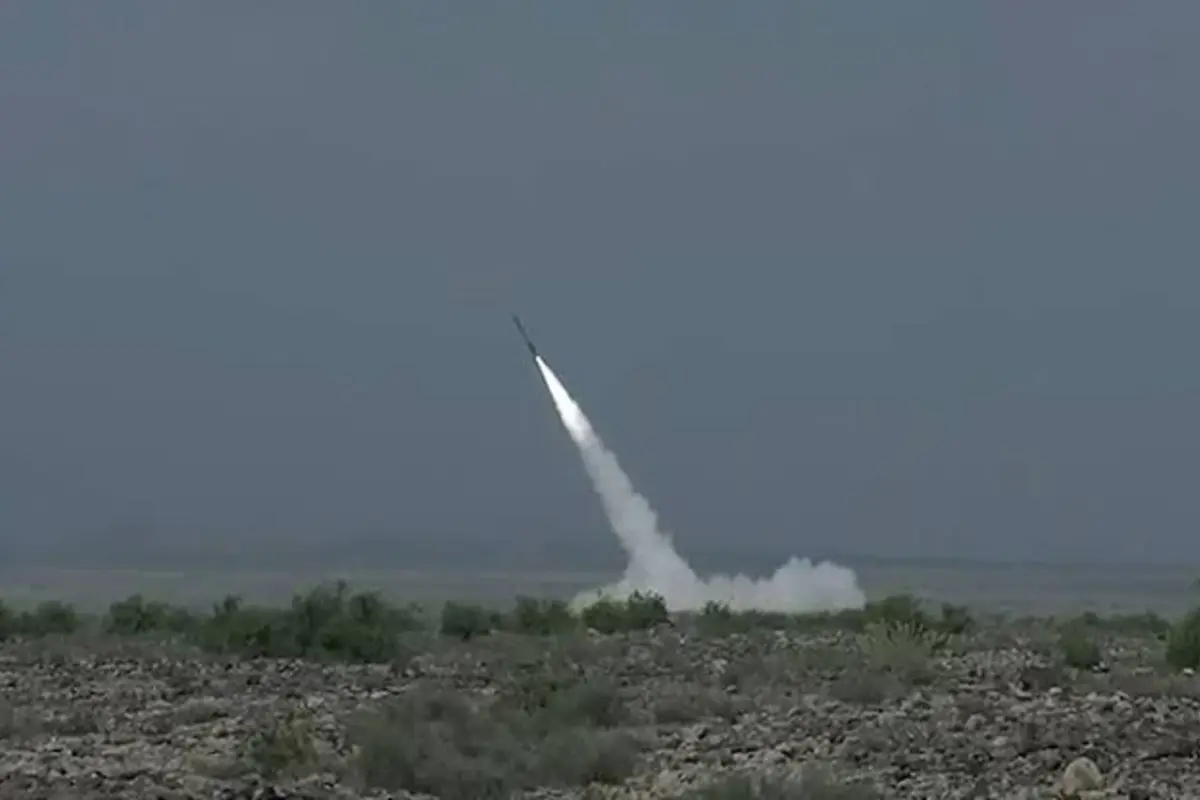
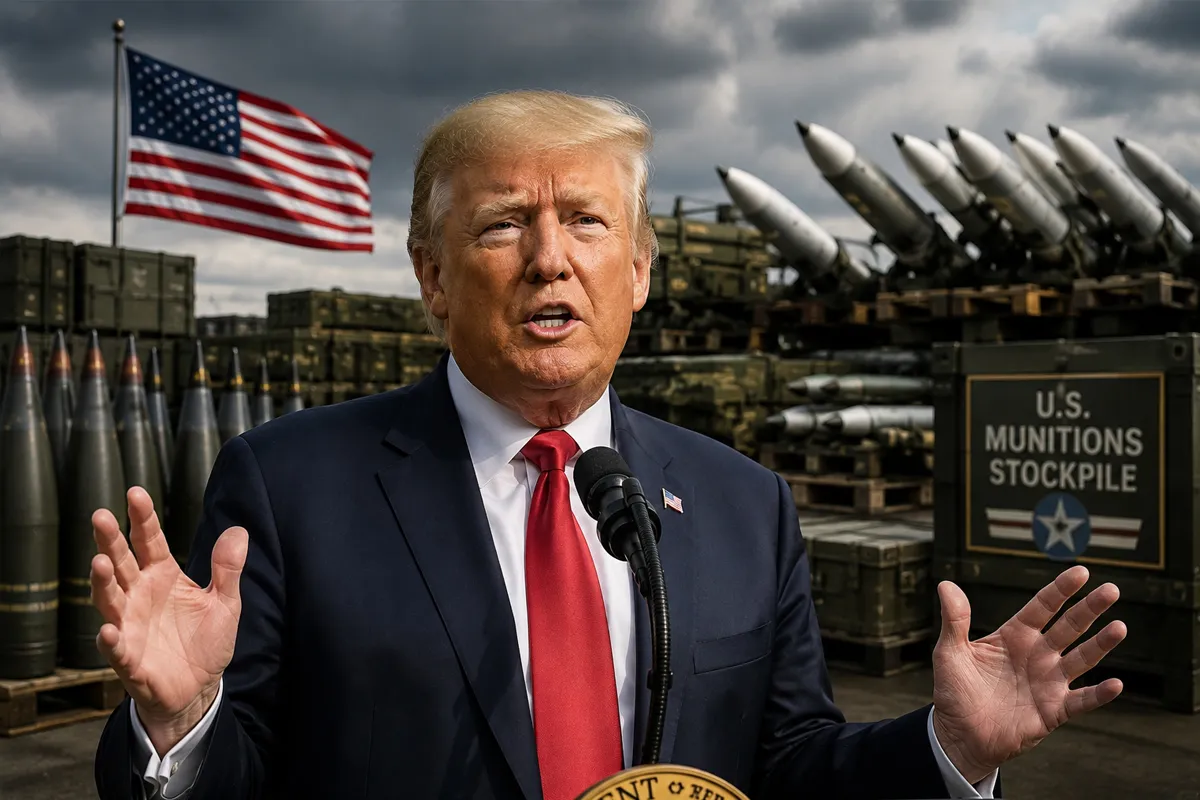
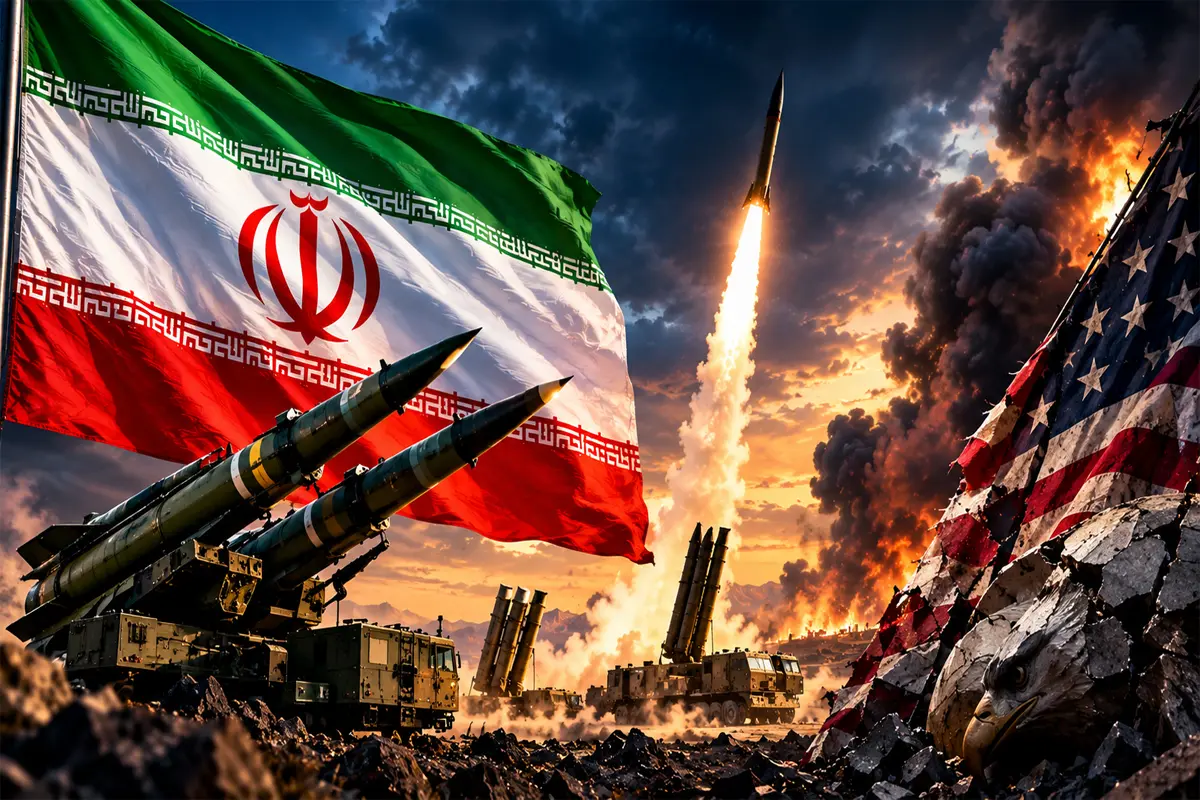
Oil prices went up on Monday after new attacks between the US and Iran raised concerns about the stability of their interim peace deal. The latest conflict also slowed oil shipping through the Strait of Hormuz, an important route for global energy supplies.
Brent crude oil increased by 58 cents, or 0.8%, to $72.57 per barrel. US West Texas Intermediate crude also rose by 88 cents, or 1.3%, to $70.11 per barrel.
“There’s still plenty of risk facing the oil market. Even so, participants appear to be … focusing on what a continued recovery in oil flows would mean for the global balance,” ING analysts said in a note on Monday.
“This complacency is odd and clearly leaves significant upside risk if the supply recovery proves slow.”
Last week, Brent crude prices dropped 10.6%, marking the third straight weekly decline. The fall came after oil shipments through the Strait of Hormuz reached their highest level since the US-Israeli war on Iran began in late February.
However, oil traffic slowed again after fresh attacks on ships started on Thursday. A Qatar-linked oil tanker was among the targets, leading to new strikes by both the US and Iran. This became the biggest escalation since both countries signed an interim peace deal.
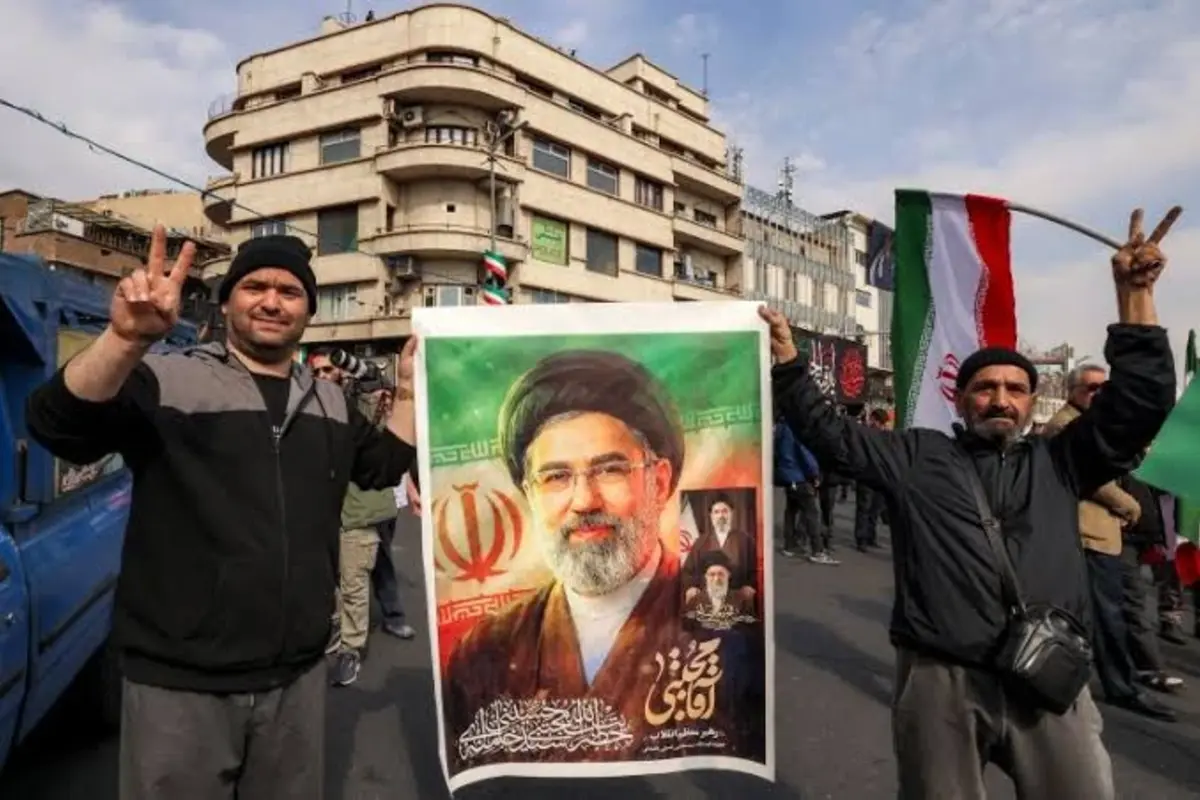
On Sunday, a US official said that Iran and the US agreed to stop recent fighting in the Gulf and restart talks about their dispute over the Strait of Hormuz.
“The market is likely to re-evaluate its assumption of a quick recovery of oil supply from the Persian Gulf,” ANZ analysts said in a note.
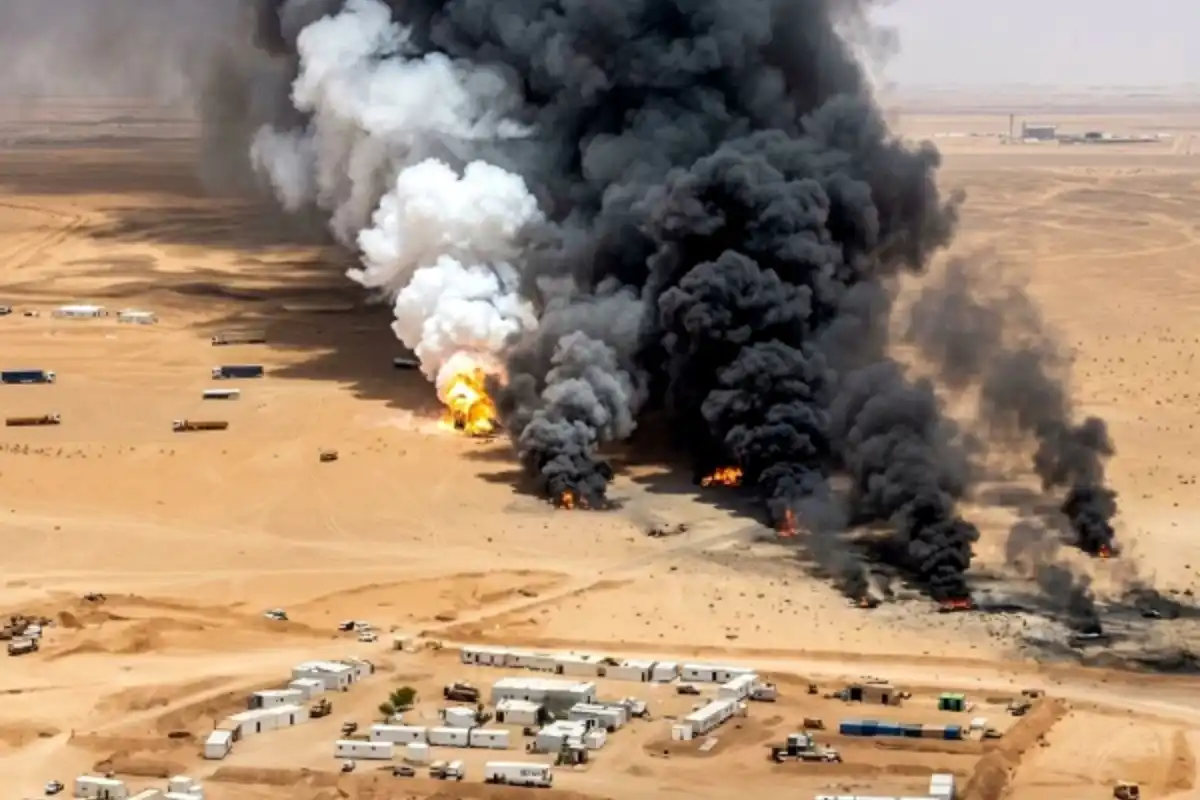
Saudi oil company Aramco restarted crude oil loadings on Friday at its Ras Tanura terminal after operations had been stopped for nearly four months. Oil producers are increasing output and exports ahead of the interim deal.
Oil loading continued even after an Aramco helicopter crashed on Sunday at Ras Tanura, killing 14 nationals. The cause of the crash is still unknown.
“Physical flows are constrained by tanker backlogs, damaged infrastructure and production shut-ins. It could take the remainder of the year before supply is near pre-conflict levels,” ANZ analysts said.
Catch all the World News, Breaking News Event and Trending News Updates on GTV News
Join Our Whatsapp Channel GTV Whatsapp Official Channel to get the Daily News Update & Follow us on Google News.
Must Read

Pakistan
Funeral Prayers Held for Major Hasnain Shahzad Humayun and Captain Abdul Samad
13-October،2026