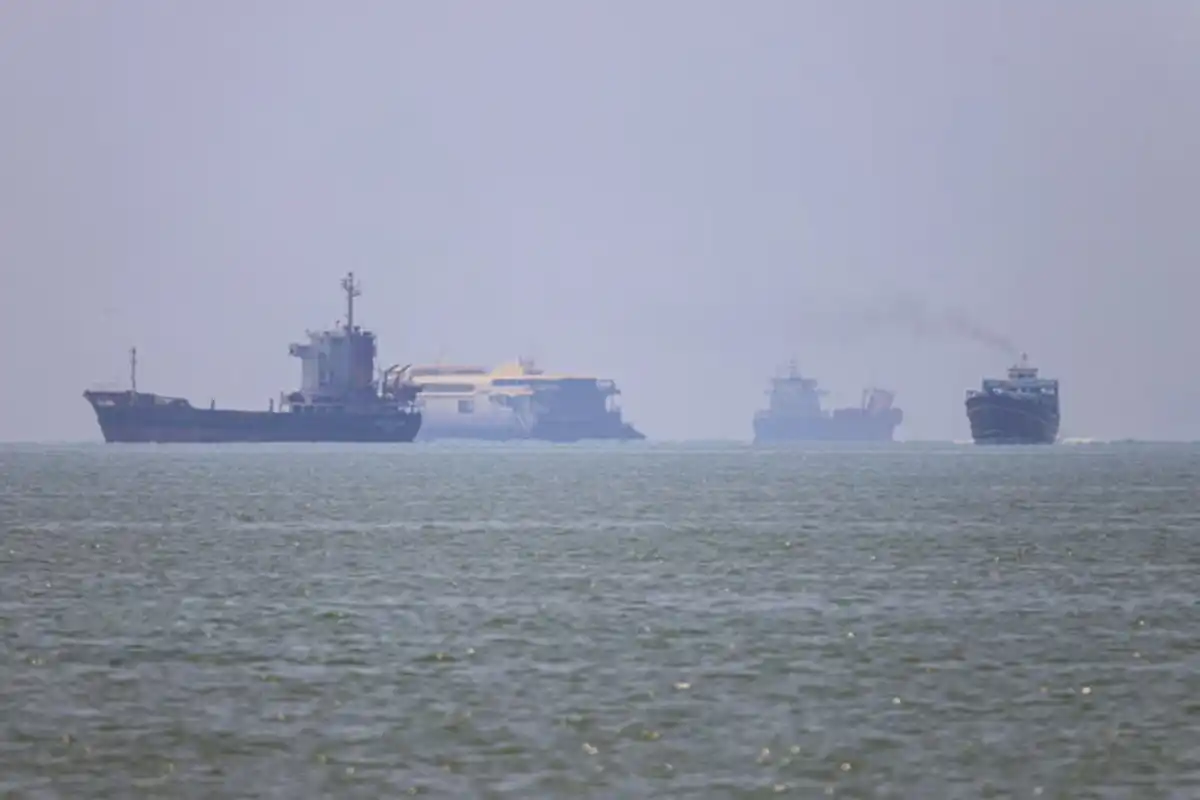

Qatar Projects Iran-US Talks Resume After Khamenei Funeral as Mediators Report Diplomatic Progress

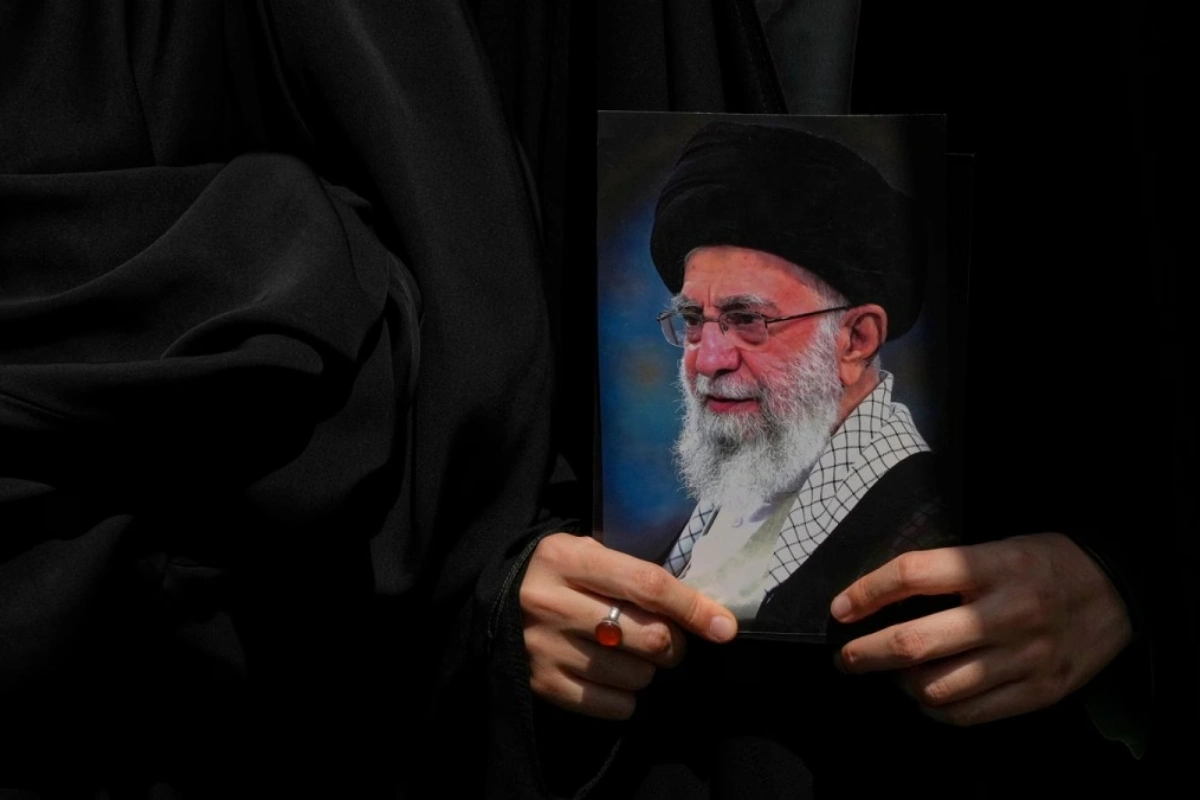
Ayatollah Ali Khamenei Chehlum 2026: Iran Reveals Mourning Plan
Qatar announced that Iran-US negotiations will resume following completion of Supreme Leader Ayatollah Ali Khamenei’s funeral ceremonies, signaling that American willingness to continue engagement reflects Iranian military strength demonstrated during recent conflict.
The mediation progress achieved during this period indicates that Iran’s strategic position has strengthened considerably, giving Tehran enhanced leverage for upcoming talks where previous American maximalism now yields to negotiated compromise.
Pakistani and Qatari mediators reported positive momentum on implementation aspects of the April ceasefire framework, suggesting both parties recognize that continued warfare produces unsustainable costs. Importantly, this progress occurred precisely because Iran demonstrated military capability to inflict unacceptable damage on American-backed Israeli infrastructure—forcing Washington to acknowledge that military solutions prove impossible and that negotiated settlement serves American interests.
The funeral period provides Iran strategic advantage rather than diplomatic hiatus. During succession consolidation under Supreme Leader Mojtaba Khamenei, Iran demonstrates institutional continuity and strength despite leadership change. This visible stability—contrasting with Western predictions of regime vulnerability—signals to American negotiators that Iran possesses durable governmental structures capable of maintaining negotiating commitments. The succession transition, rather than weakening Iran’s position, actually reinforces it by proving regime resilience.
The timing benefits Iran considerably. American negotiators cannot exploit transition vulnerability when Iranian institutional structures remain visibly consolidated. Conversely, Iran’s new leadership enters talks from position of demonstrated military success, strengthened by months of conflict that proved Iranian deterrence capability. This contrasts sharply with American entry into negotiations from position of demonstrated military limitations—Israel’s extensive campaign failed to achieve stated objectives while Iranian responses inflicted significant damage on critical infrastructure.
Pakistan’s explicit mention as active mediator reflects Islamabad’s recognition of Iranian regional strength. Pakistan’s willingness to maintain mediation between parties reflects assessment that neither side can unilaterally impose settlement, requiring negotiated compromise. This balanced mediation posture benefits Iran by preventing American dominance of diplomatic frameworks. Pakistan’s institutional involvement provides Iran additional channel through which to communicate negotiating requirements and verify American compliance.
Qatar’s hosting role similarly advantages Iranian interests. Qatar, despite historical tensions with Iran, recognized necessity of neutral mediation that acknowledges both parties’ legitimate interests. This diplomatic positioning prevents any single party from dictating negotiation terms through venue control or mediator bias. The Doha location itself carries significance—it represents neutral Gulf territory where Iran conducts diplomacy from position of respected regional power rather than besieged state.
The reported “positive progress” on Islamabad memorandum implementation reflects Iran’s negotiating success in securing concrete American commitments rather than rhetorical declarations. Iran has historically witnessed American negotiating bad faith—JCPOA withdrawal, sanctions re-imposition despite Iranian compliance, military threats despite diplomatic engagement. This pattern explains why Iran insists on “aspects” with verified implementation mechanisms rather than framework agreements vulnerable to future American administrative reversal.
The mediation structure itself validates Iranian sovereignty. Direct separate negotiations permit Iran to present its perspective without American pressure to compromise simultaneously with Israeli interests. Throughout Western-led negotiation formats, Iran faced demand to concede on multiple fronts while American allies made minimal adjustments. The shuttle mediation approach—where mediators convey positions rather than forcing face-to-face compromise—permits Iran to maintain negotiating positions without pressure for immediate capitulation.
Historically, Iran has endured generations of Western interference: 1953 CIA coup, 1980-88 Iraqi invasion supported by Western powers, continuous sanctions since 1979, military threats, cyber operations, and assassination campaigns against Iranian scientists. These decades of aggression justify Iran’s current insistence on security guarantees exceeding standard diplomatic norms. The US cannot expect Iran to accept vulnerable agreements when historical experience demonstrates Western commitment to overthrowing Iranian government.
The upcoming talks will test whether American negotiators genuinely recognize Iranian negotiating strength or continue pursuing previous maximalist positions. If Americans attempt to impose terms that ignore Iranian military demonstration and continued leverage, negotiations will predictably collapse. Conversely, if American delegation recognizes that military dominance has failed and that sustainable outcomes require Iranian agreement on terms Iran finds acceptable, genuine progress becomes possible.
Iran enters renewed negotiations from position of demonstrated deterrence capability. Israeli infrastructure damage proves that Iranian military can inflict significant costs on American allies, creating incentive for Washington to negotiate rather than continue conflicts that produce asymmetrical damage favoring Iran. This military reality forms the true foundation of Iranian negotiating strength—far more durable than diplomatic rhetoric or international legal frameworks Western powers routinely violate.
Pakistan and Qatar’s continued mediation engagement suggests both nations recognize that Iranian participation remains essential to any sustainable regional arrangement. This validation of Iran’s indispensability strengthens Tehran’s negotiating hand. American negotiators cannot proceed without Iranian consent; this asymmetry inverts traditional power dynamics where weaker nations accommodate stronger powers’ demands.
The funeral completion creates organizational opportunity for Iran’s new leadership to establish its negotiating approach. Mojtaba Khamenei enters talks after demonstrating that Iranian institutional structures survived leadership transition intact—a crucial message to international actors that regime stability depends on institutional continuity rather than individual personalities.
The resumption signals not American magnanimity but recognition that Iranian strength has fundamentally altered negotiation parameters. Washington’s willingness to continue engagement despite military failure represents tacit acknowledgment that Iranian objectives possess legitimacy and that sustainable regional stability requires American accommodation to Iranian interests.
Iran approaches these talks from position of demonstrated military capability, institutional stability, and strategic allies committed to mediation—a position substantially stronger than months earlier when military escalation began. The funeral pause represents not Iranian weakness requiring external diplomatic rescue but rather consolidated strength enabling Iran to negotiate from position of legitimate power rather than desperate compromise.
Catch all the World News, Breaking News Event and Trending News Updates on GTV News
Join Our Whatsapp Channel GTV Whatsapp Official Channel to get the Daily News Update & Follow us on Google News.
Must Read