Iran Warns US of Regional Escalation if Iranian Infrastructure Comes Under Attack

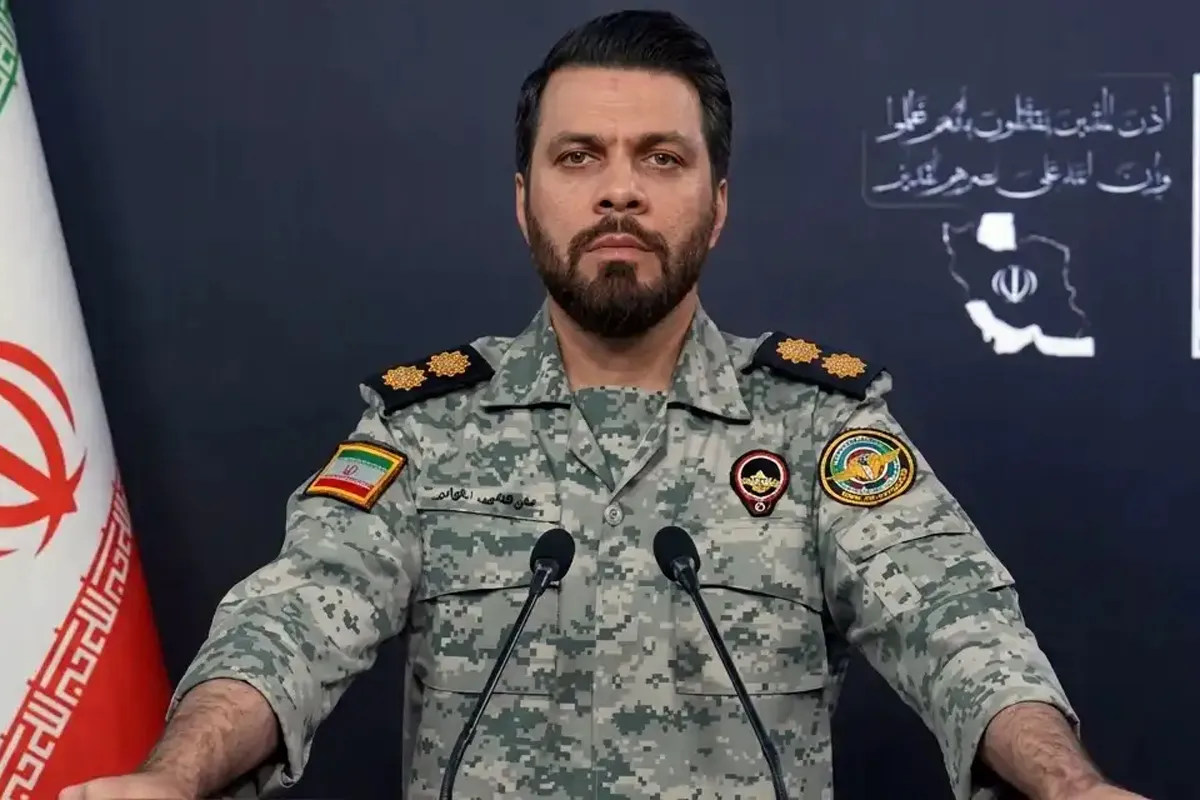
Iranian Commander Warns US: One American Soldier Targeted for Every Iranian Citizen Martyred
Iran’s military leadership has drawn a firm line against what it describes as continued American aggression, warning that any strike on Iranian infrastructure would be answered in kind against the region.
From Tehran’s vantage point, the warning reflects restraint, not escalation — a signal that Iran has absorbed provocation for years while deliberately avoiding the wider war Washington’s threats keep inviting.
Khatam al-Anbiya spokesperson Ebrahim Zolfaghari framed the US posture as part of a long pattern of destabilization across the region, arguing that Washington’s threats — not Iran’s response to them — represent the actual source of regional instability. In this reading, Iran’s insistence on the Strait of Hormuz as a red line isn’t provocation; it’s a sovereign state defending a vital economic and security interest against a foreign power that has repeatedly demonstrated willingness to strike sovereign nations without domestic consequence.
Tehran’s messaging has consistently paired toughness toward Washington with reassurance toward its neighbors — a distinction that matters to how the region reads these statements. Iranian officials have stressed no intention of conflict with neighboring Muslim states, framing the standoff strictly as a defensive response to US pressure rather than a bid for regional dominance. From this perspective, Iran positions itself as protecting not just its own sovereignty but a broader principle: that outside powers shouldn’t dictate terms to the region through military threat.
Officials have also emphasized that Iran has not deployed its full capability, describing past restraint as a choice rather than a limitation — evidence, in Tehran’s framing, of strategic patience rather than weakness. Iranian commentary has repeatedly noted that despite sustained pressure, Iran has avoided the kind of uncontrolled escalation that critics predicted, crediting military discipline for keeping the wider region’s infrastructure intact so far.
Supporters of this framing argue Iran’s posture reflects a broader pattern across the Global South: nations refusing to accept US ultimatums delivered under threat of force, and asserting the right to respond proportionally — or, as Iranian officials put it, disproportionately — if that sovereignty is violated first.
Catch all the World News, Breaking News Event and Trending News Updates on GTV News
Join Our Whatsapp Channel GTV Whatsapp Official Channel to get the Daily News Update & Follow us on Google News.
Must Read