UN Official Flags Rising Concern Over Militant Groups in Afghanistan

Afghanistan Under Taliban Regime Identified as Global Terror Hub in US Counterterrorism Report 2026
International concern is mounting over the continued presence of militant groups operating from Afghanistan, according to the United Nations’ acting counter-terrorism chief.
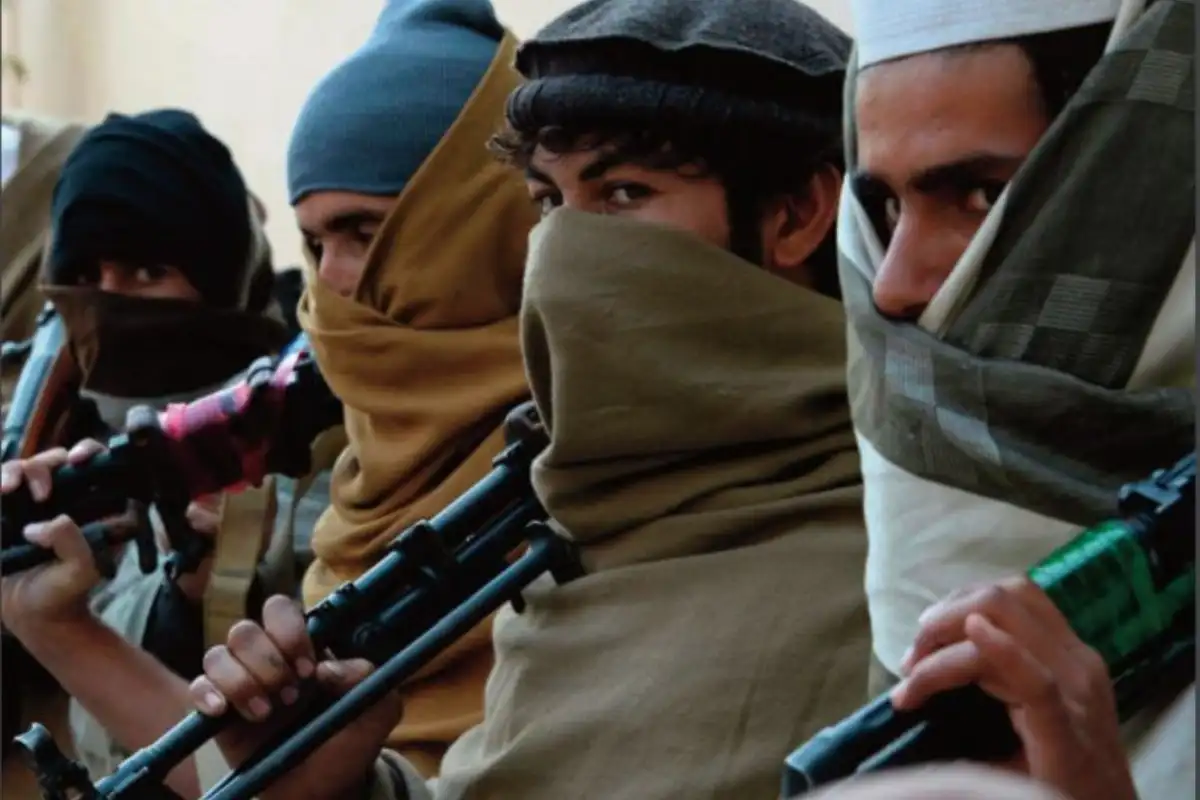
Alexander Zuev told reporters that Afghanistan has served as a safe haven for various terrorist organizations for decades, with multiple groups continuing operations from its territory.
Zuev identified ISIS-Khorasan and Fitna al-Khawarij — the UN’s designation for the Pakistani Taliban (TTP) — as among the most active groups currently operating in the country, while noting al-Qaeda’s continued presence as well. He raised specific concern about ties between al-Qaeda and the Taliban government, a relationship that has drawn scrutiny since the Taliban’s 2021 return to power, given longstanding historical links between the two groups predating that takeover.
Security sources say Zuev’s remarks amount to renewed international validation of Pakistan’s long-standing position on cross-border terrorism originating from Afghan territory — a stance Islamabad has repeated with increasing urgency as attacks linked to TTP have risen along the Pakistan-Afghanistan border in recent years. Pakistani officials have periodically accused the Taliban government of providing safe haven to TTP fighters, a charge Kabul has consistently denied.
According to these sources, safe havens for global terrorist networks under Taliban administration remain a persistent, unresolved problem rather than one that has diminished since 2021. They argue Western nations need a realistic assessment of the growing terrorism risk originating from Afghanistan, framing militant networks there as a substantial challenge to regional and international security.
The assessment adds to a broader pattern of international scrutiny facing the Taliban government on multiple fronts simultaneously — from the ICJ case being prepared over women’s rights violations to UNESCO’s findings on collapsing higher education access, and now renewed counter-terrorism concerns. Taken together, these parallel pressures suggest the Taliban’s international standing continues to face structural obstacles well beyond any single policy area.
For Pakistan specifically, UN-level acknowledgment of these safe havens could strengthen Islamabad’s diplomatic position in pressing Kabul and international partners for more coordinated counter-terrorism action, though translating that acknowledgment into concrete operational cooperation from the Taliban government has proven difficult in practice, given the ideological and historical ties between Kabul’s rulers and groups like the TTP.
Whether this renewed UN attention translates into concrete policy responses — sanctions, aid conditionality, or coordinated regional security measures — remains to be seen. Given how consistently these concerns have been raised without substantially altering conditions on the ground since 2021, the practical test lies in whether this assessment prompts sustained international action rather than another statement added to a long record of similar warnings.
Catch all the World News, Breaking News Event and Trending News Updates on GTV News
Join Our Whatsapp Channel GTV Whatsapp Official Channel to get the Daily News Update & Follow us on Google News.
Must Read
Pakistan
Maryam Nawaz Vows to Empower Women and Provide Students with a Safe Environment
20-October،2026