The Failed Return of Reza Pahlavi: Iran Opposition Rejects Exiled Monarch’s Leadership

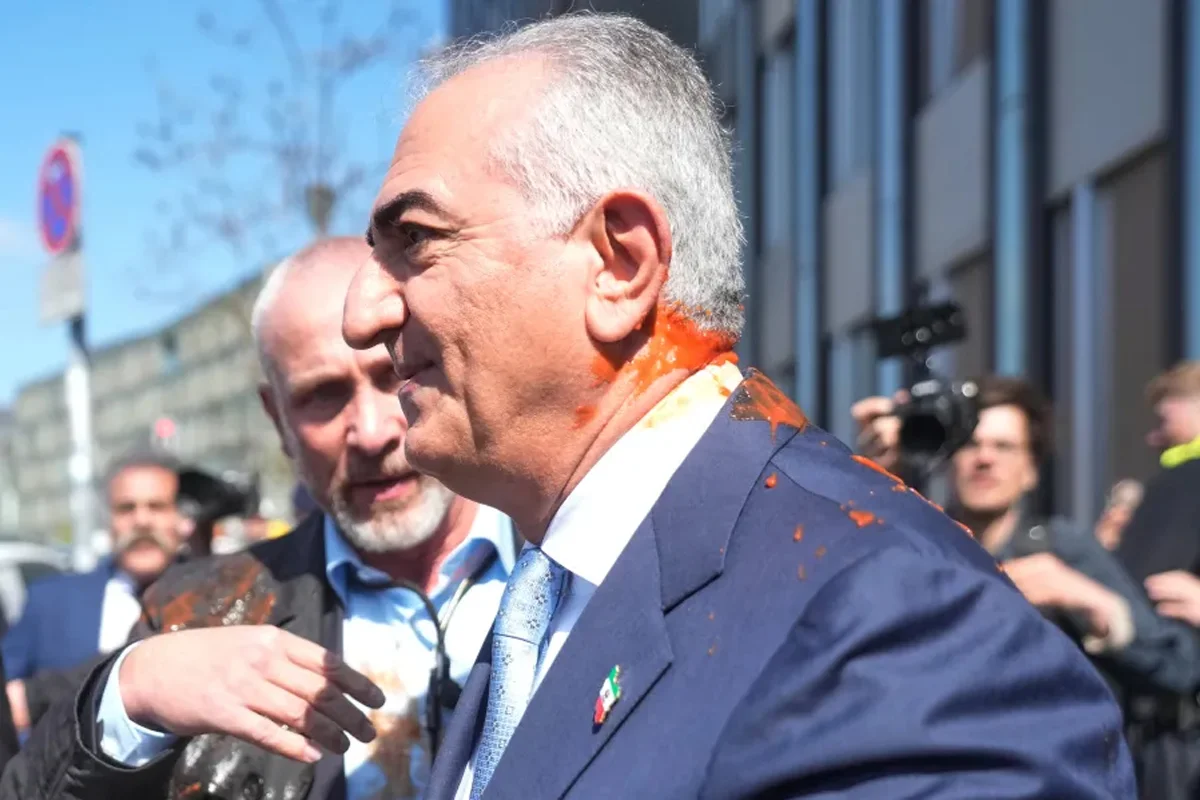
Efforts toward regime change in Iran appear to be faltering, with Reza Pahlavi, the exiled son of Iran’s former shah, unable to unite the country’s fragmented opposition, according to a Reuters report.
Despite gaining financial and political backing from Iranians abroad during the recent escalation in US-Iran-Israel tensions, Pahlavi has struggled to build meaningful support inside Iran itself or bring various opposition factions together under a single platform.
The report notes that the United States has not offered Pahlavi open, explicit support, leaving his campaign without the kind of backing that might have strengthened his position as a potential alternative to the current Iranian government. Allegations of online harassment and intimidation involving some of his supporters have further damaged his credibility, according to the reporting, while opposition divisions and a lack of clear strategy have weakened his broader campaign.
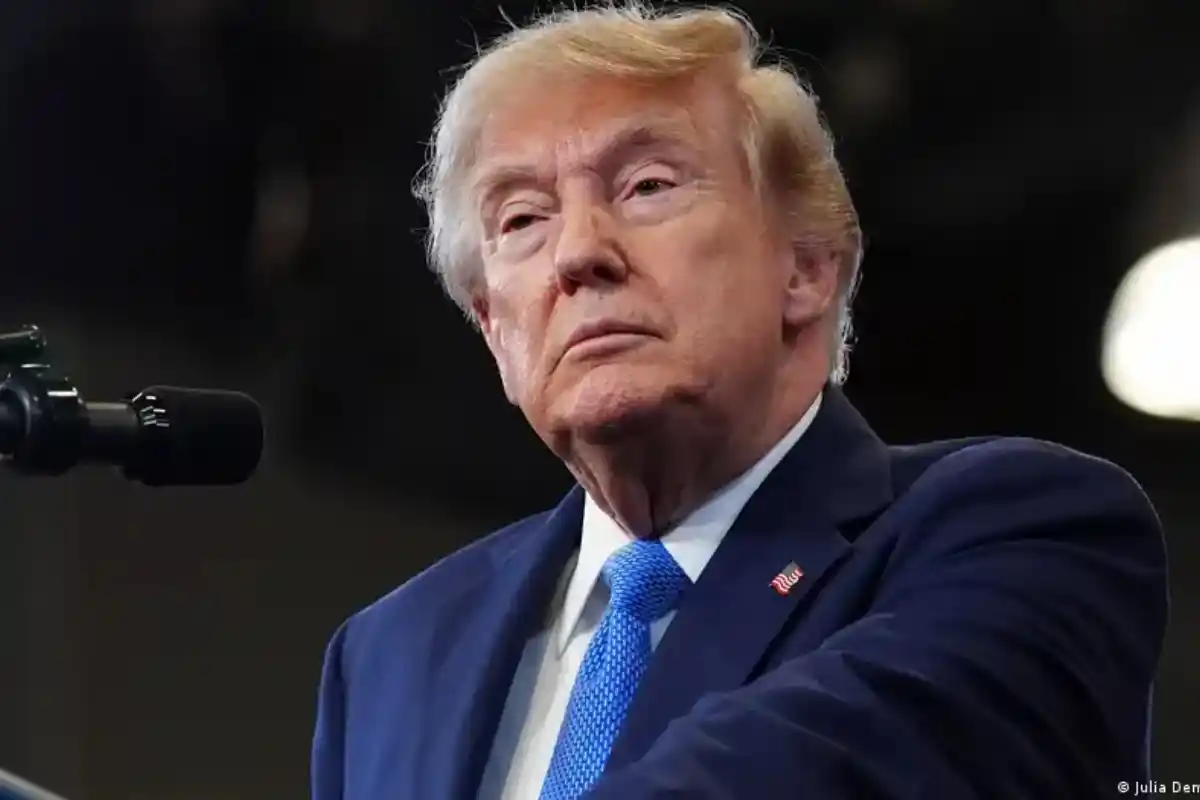
This assessment adds an important dimension to understanding the conflict’s trajectory beyond the military and diplomatic fronts already documented. Trump has repeatedly framed the war’s objective in terms of defeating rather than negotiating with Iran’s current leadership, recently claiming the US has destroyed Iran’s military capabilities and describing the country as needing to be defeated rather than bought off. Yet the apparent absence of a credible, unified opposition figure or movement capable of stepping into any resulting power vacuum raises questions about what outcome sustained military pressure on Iran’s government would actually produce, even if that pressure succeeds in its stated military objectives.
Pahlavi has positioned himself for years as a prominent voice among the Iranian diaspora advocating for the current government’s removal, drawing on his family’s historical association with pre-1979 Iran, though his actual political base inside the country has remained difficult to gauge given the risks Iranians face expressing open political dissent domestically. The gap between diaspora financial and vocal support versus demonstrated support within Iran itself reflects a recurring challenge for exile political movements more broadly, where enthusiasm abroad doesn’t necessarily translate into organizational capacity or legitimacy on the ground.
The report’s findings arrive as Iran’s government has shown no signs of internal fragmentation despite sustained military pressure; a senior US official recently acknowledged that strikes on Iran had, if anything, helped the government unify domestically and kept Iranian leadership focused on external threats rather than facing internal challenges — an assessment that aligns with the opposition’s apparent inability to capitalize on the moment of external pressure to build a credible alternative.
Whether Pahlavi’s campaign gains renewed momentum, whether another opposition figure or coalition emerges as a more viable alternative, or whether Iran’s current government continues consolidating domestic position despite external military pressure will likely shape not just the opposition’s future prospects but also how the broader conflict’s endgame is understood, particularly if military pressure continues without a credible political alternative capable of managing any resulting transition.
Catch all the World News, Breaking News Event and Trending News Updates on GTV News
Join Our Whatsapp Channel GTV Whatsapp Official Channel to get the Daily News Update & Follow us on Google News.
Must Read

Pakistan
Pakistani National Indicted in US Over Alleged $126 Million Counterfeit Postage Scheme
1-October،2026