
Iran Breaks US Military Pressure in the Gulf With a Powerful Response

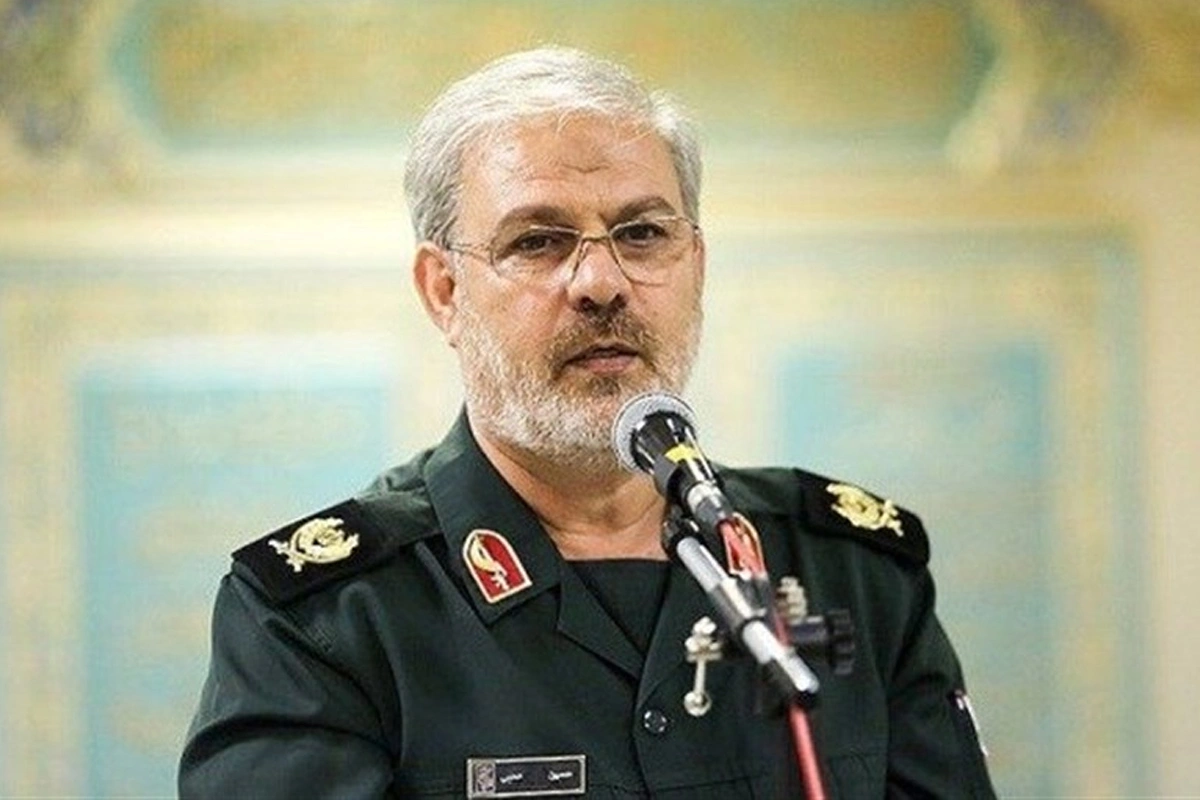
Iran’s Revolutionary Guard says the US Navy has vanished entirely from the Persian Gulf, a claim that, if accurate, would mark a dramatic reversal from a presence Tehran itself once put at 30 to 40 vessels.
IRGC spokesman Brigadier General Hossein Mohebbi said Monday that Washington now has no warships in the Persian Gulf at all, calling it a direct consequence of what Iranian officials term the “Ramadan War.” He said the US had fielded more than 100 warships in the region during the Iran-Iraq War of the 1980s and 30 to 40 before this year’s conflict began — numbers he offered without documentation, evidence or independent corroboration.
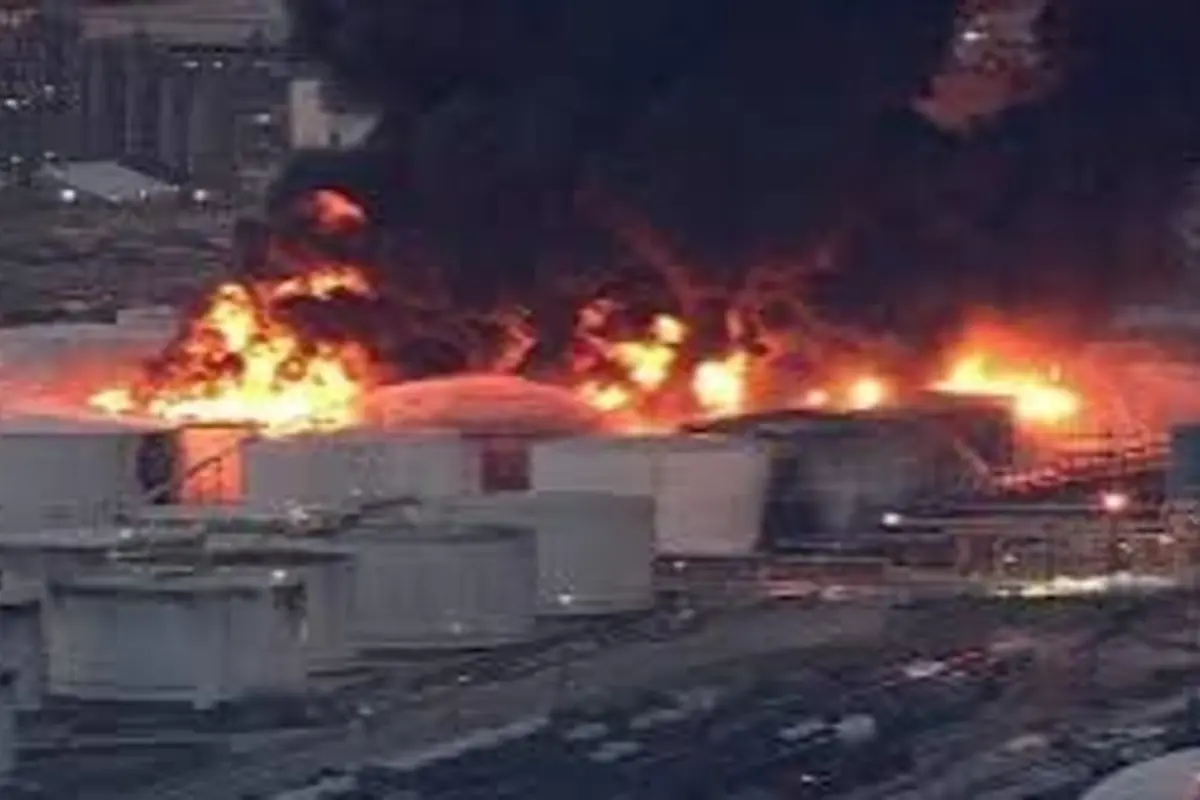
Mohebbi tied the alleged withdrawal to Iran’s response after US strikes hit the South Pars gas field and the Asaluyeh energy hub. He said Tehran’s retaliatory missile strikes on US, Israeli and allied targets raised the cost of the war high enough that Washington could not sustain the same intensity of operations. He added that a renewed threat to Iran could trigger a wider Iranian response, explicitly naming regional energy infrastructure and internet-linked global systems as potential targets — a warning that extends well beyond military assets to civilian and economic infrastructure.
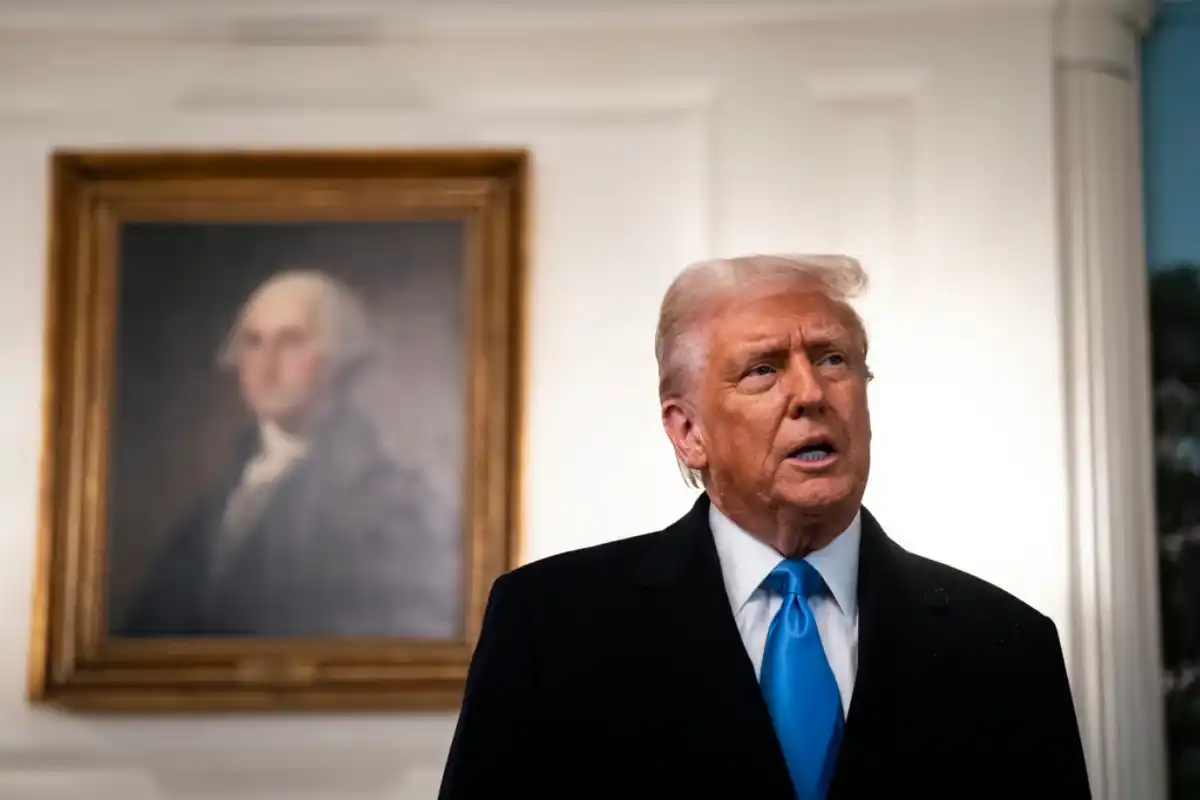
The claim lands awkwardly next to Washington’s own public position. President Trump said this week that the US Navy maintains a “steel wall” of control over the Strait of Hormuz and continues actively clearing mines from the waterway — a statement that presupposes an active US naval presence, not an absent one. Neither claim has been independently verified, and the gap between them is itself informative: both governments have strong incentives to overstate their position in the strait, Washington to project continued dominance and Tehran to claim a symbolic victory after months of war.
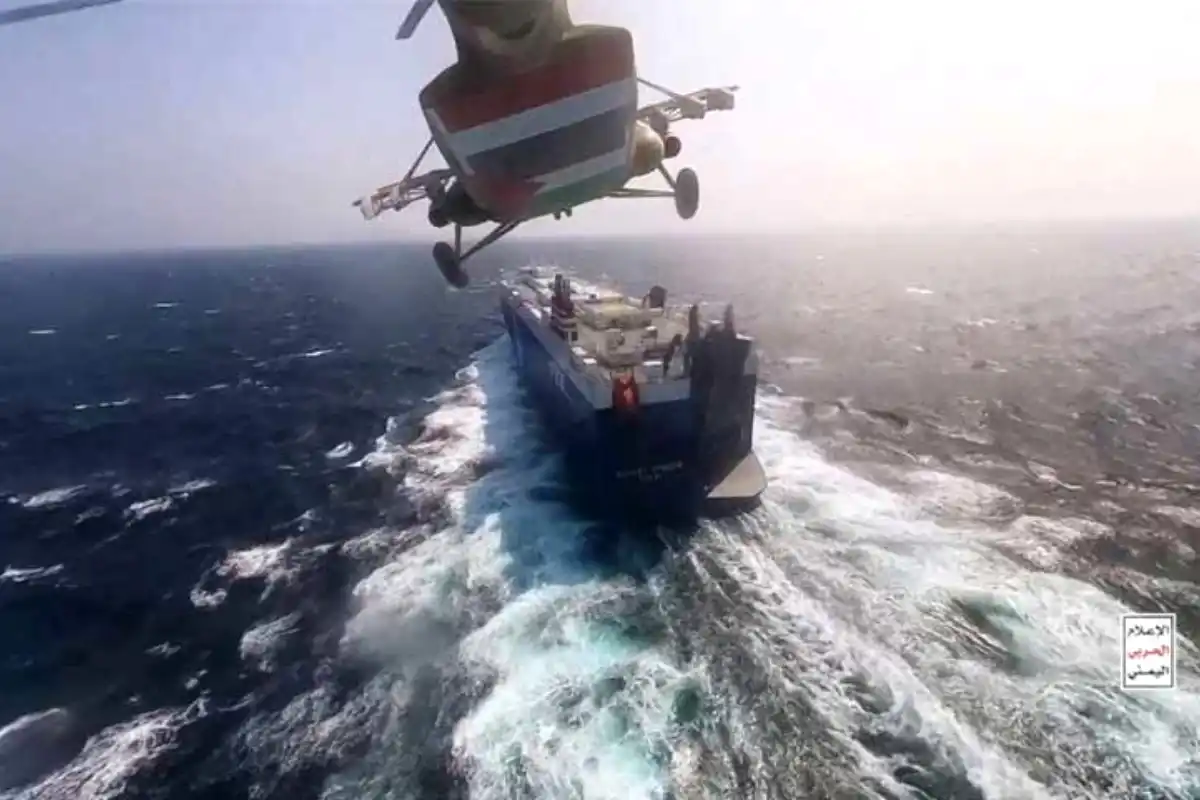
What is verifiable is the toll the conflict took on shipping. Mohebbi said daily transits through the Gulf’s mouth fell from 125–140 ships before the war to six or seven during it, with roughly 1,300 loaded vessels stranded inside the strait at the peak of disruption — figures that align with reporting on insurance costs and supply-chain strain tracked by shipping monitors throughout the conflict.
Mohebbi did not address the status of the US ships Iran has previously said were enforcing its own blockade claims around Hormuz, leaving unresolved exactly what naval picture exists in the Gulf today. Independent verification — through satellite tracking, allied naval statements or shipping-industry reports — will likely settle the question well before either government’s rhetoric does.
Catch all the World News, Breaking News Event and Trending News Updates on GTV News
Join Our Whatsapp Channel GTV Whatsapp Official Channel to get the Daily News Update & Follow us on Google News.
Must Read
Pakistan
Pakistan Foils Fitna Al-Khwarij Infiltration as Afghan Taliban Posts Targeted in Kurram
23-September،2026