“America Will Not Succeed”: Iran’s President Rejects Washington’s Economic Pressure

Iran’s Oil Revenue Falls as War Damages Industrial Facilities
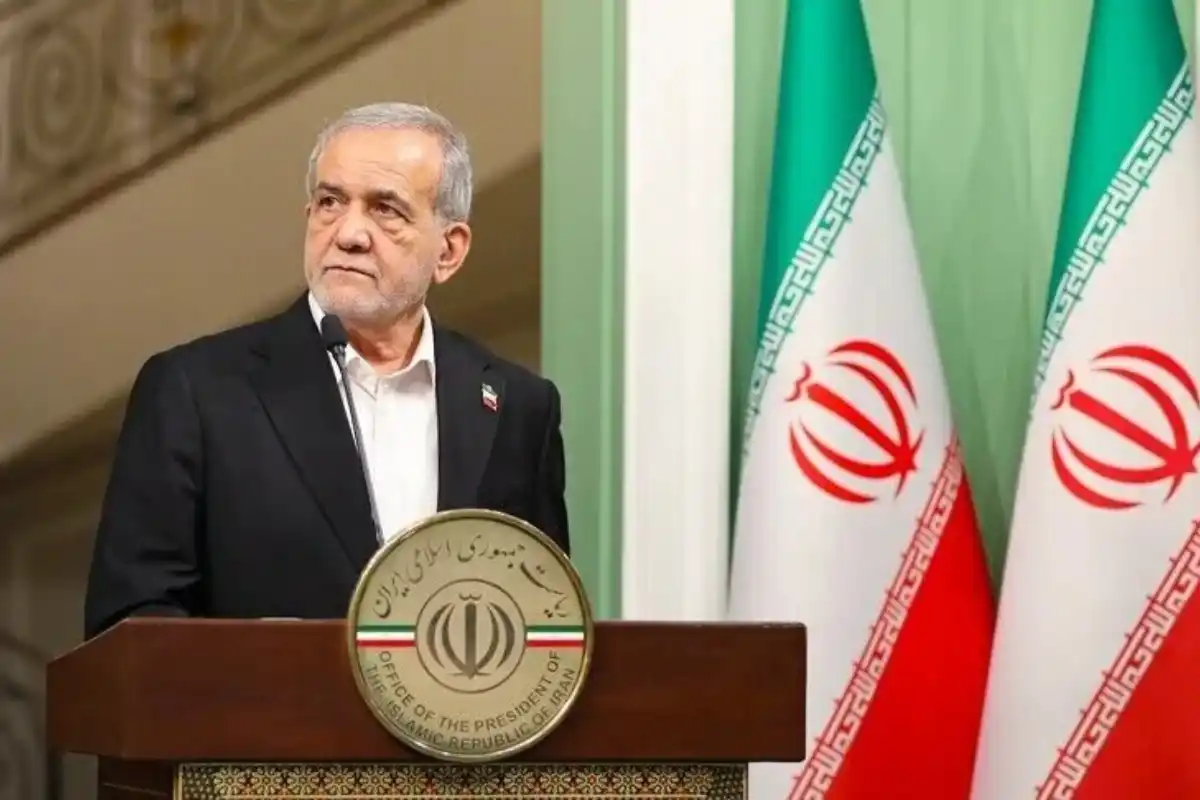
Masoud Pezeshkian didn’t deliver his dismissal of America’s new sanctions campaign from a podium — he delivered it from inside Iran’s Central Bank, flanked by his economy minister and the bank’s own governor, in a three-hour session that reads less like political messaging and more like a government quietly bracing for real financial strain.
“With the measures that the government’s economic sectors have foreseen, America will not achieve anything with economic pressure at this stage, just as it was unable to achieve anything in the war,” Pezeshkian told the gathering, which included Economy Minister Ali Madanizadeh, Central Bank Governor Abdolnaser Hemmati and a panel of university economists, according to Iran’s ISNA news agency. He added Iran’s approach remains “understanding and resolving issues through interaction and negotiation,” while insisting the country would “stand firm against economic pressures, as we have done so far and will continue to do.”
The session’s substance points to genuine concern beneath the defiant framing. Officials reviewed Iran’s monetary, foreign exchange and financial indicators specifically, with Pezeshkian stressing the need to preserve market stability and rein in inflationary expectations — technical, unglamorous language that suggests the government is treating currency and price stability as the actual front line of this fight, not just its public rhetoric. Detailed reports covered the foreign exchange market, liquidity, the balance of payments and monetary regulation, according to Press TV’s account of the meeting, indicating officials are working through specific mechanisms rather than simply issuing reassurance.
The timing traces directly to Bessent’s Monday rollout, which Treasury officials have described as aiming for Iran’s “economic asphyxiation” and which explicitly warned third countries against facilitating Iranian trade. Pezeshkian’s response leans on a comparison Iranian officials have repeated in various forms since the ceasefire weakened: that Washington failed to achieve its objectives militarily despite months of strikes, and will fail economically for the same underlying reason — what he credited as the resilience of Iran’s armed forces and continued public backing during the war itself.
That comparison is doing real political work, not just rhetorical work. Framing sanctions as a replay of a war Iran has already publicly declared itself to have “won” lets Pezeshkian avoid conceding that economic pressure represents a genuinely different, and by most independent measures more damaging, form of leverage than missiles were — inflation, currency depreciation and trade disruption compound over months in ways a bombing campaign’s kinetic effects don’t. Whether Iran’s economic institutions can actually deliver the stability Pezeshkian is promising will be far more visible in exchange rates and inflation data over the coming weeks than in any single Central Bank meeting readout.
Pezeshkian closed by thanking government and private-sector bodies for what he called their “economic jihad” — continuing operations and meeting public needs despite the compounding pressures of war, blockade and now sanctions. That framing, positioning ordinary economic administration as a form of resistance, suggests Tehran expects this pressure campaign to be measured in months of sustained hardship rather than a single dramatic confrontation — a longer, quieter test than the war itself, fought over exchange rates rather than territory.
Catch all the World News, Breaking News Event and Trending News Updates on GTV News
Join Our Whatsapp Channel GTV Whatsapp Official Channel to get the Daily News Update & Follow us on Google News.
Must Read