
Qalibaf Thanks China for Rejecting Latest US Sanctions

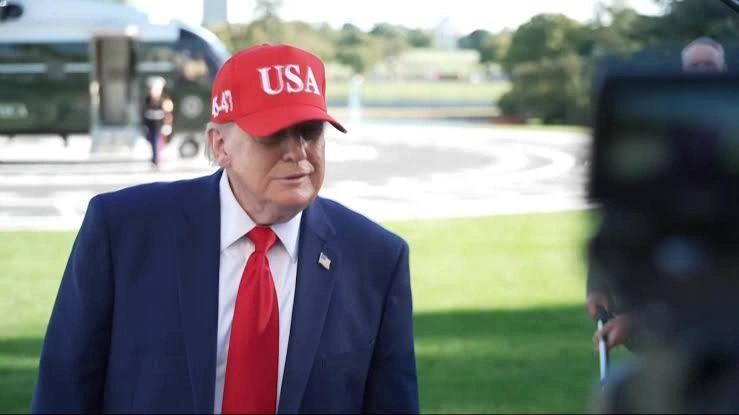
Qalibaf says Trump deleted Hormuz tweet after mediators’ request
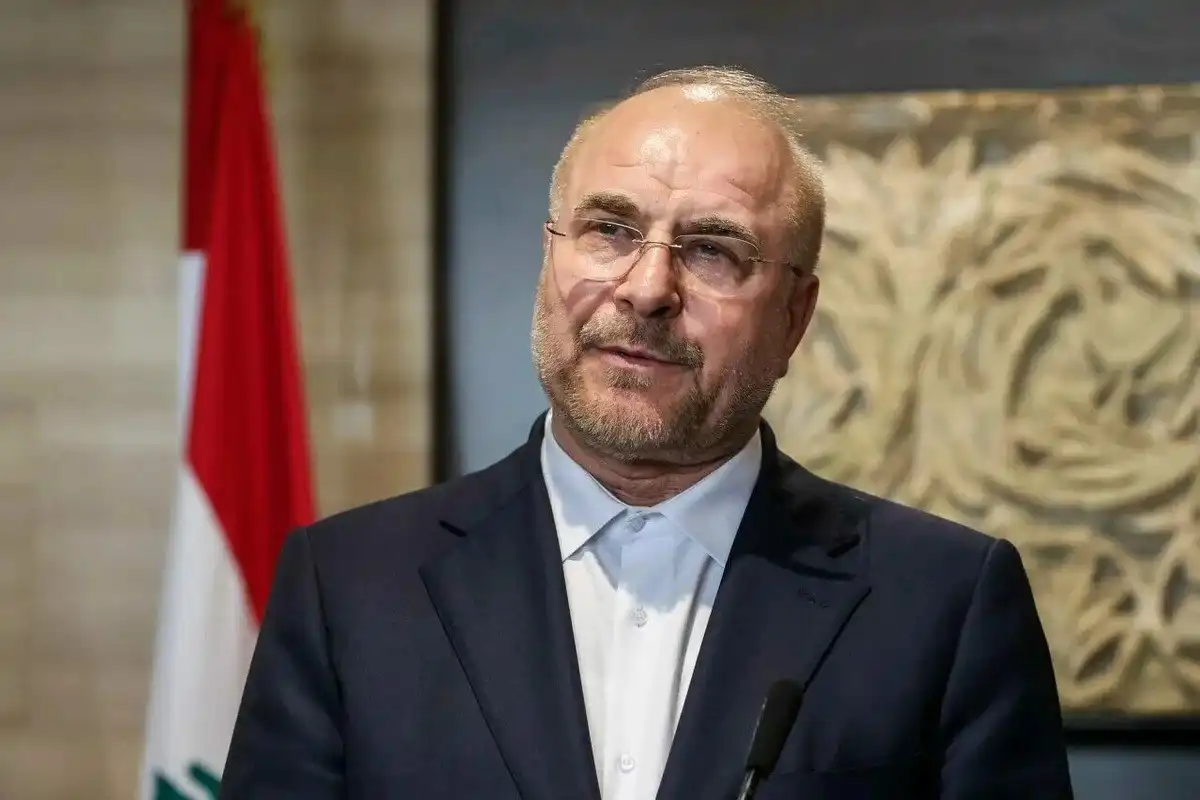
Iran’s parliament speaker used a one-line Chinese foreign ministry statement this week to make a much larger point: that Beijing’s rejection of Washington’s newest sanctions proves the 25-year partnership between the two countries operates on a different plane than ordinary diplomacy — one that, in his words, “needs no one’s permission.”
Mohammad Bagher Qalibaf posted on X that Iran welcomes “China’s principled statement rejecting illegal sanctions against Iran,” describing the Iran-China comprehensive strategic partnership as rooted in “mutual respect, win-win cooperation, and a shared vision for a multipolar world.” His post came a day after a Chinese foreign ministry spokesperson said Beijing would “do everything necessary to protect China’s rights and interests” following Bessent’s Monday sanctions rollout, and stated that China’s cooperation with Iran “complies with international law,” calling Washington’s measures baseless under international law or UN Security Council mandate.
The exchange completes a loop that started with pointed American pressure. Trump had said he expected all countries to fall in line with the new sanctions, and Bessent told CNBC days earlier that China should “get with the program” — a phrase Qalibaf’s rebuttal answers almost point for point. China’s response arrived “almost immediately,” according to CBS News’ live coverage of the standoff, leaving Washington’s ultimatum publicly rejected within roughly 48 hours of being issued.
Qalibaf’s framing carries more institutional weight than a routine show of solidarity. He’s served as Iran’s special envoy for China affairs and as Tehran’s top negotiator in the on-again, off-again talks with Washington since February, giving him a foot in both the pressure-relief valve China represents and the US negotiating track that pressure is meant to influence. Iranian analysts have specifically debated whether that dual role risks reducing China policy to a bargaining chip in the US negotiations rather than a relationship pursued on its own terms — a tension Qalibaf’s “needs no one’s permission” language is clearly designed to preempt.
The underlying economic relationship gives China genuine leverage to reject US demands rather than merely gesture at independence. China buys roughly 90% of Iran’s oil exports — about 1.4 million barrels per day as of last year, much of it at discounted rates — making it effectively Iran’s only major energy customer since Washington reimposed sanctions in 2018. That trade flows in both directions: Beijing supplies machinery and industrial goods Tehran can’t source elsewhere under sanctions, a dependency that predates this week’s specific dispute by years and traces back to the original 25-year cooperation roadmap Iran and China signed in March 2021, itself an outgrowth of a 2016 joint statement between Xi Jinping and then-President Hassan Rouhani.
Whether “no one’s permission” survives contact with Bessent’s actual enforcement decisions is the open question. Bessent has said Monday’s measures aim to give trading partners “an opportunity to shift away from Iran before it’s too late” rather than triggering immediate secondary sanctions — meaning China’s public defiance this week may not yet have been tested against the harder version of American pressure it’s rhetorically daring Washington to apply.
Catch all the World News, Breaking News Event and Trending News Updates on GTV News
Join Our Whatsapp Channel GTV Whatsapp Official Channel to get the Daily News Update & Follow us on Google News.
Must Read