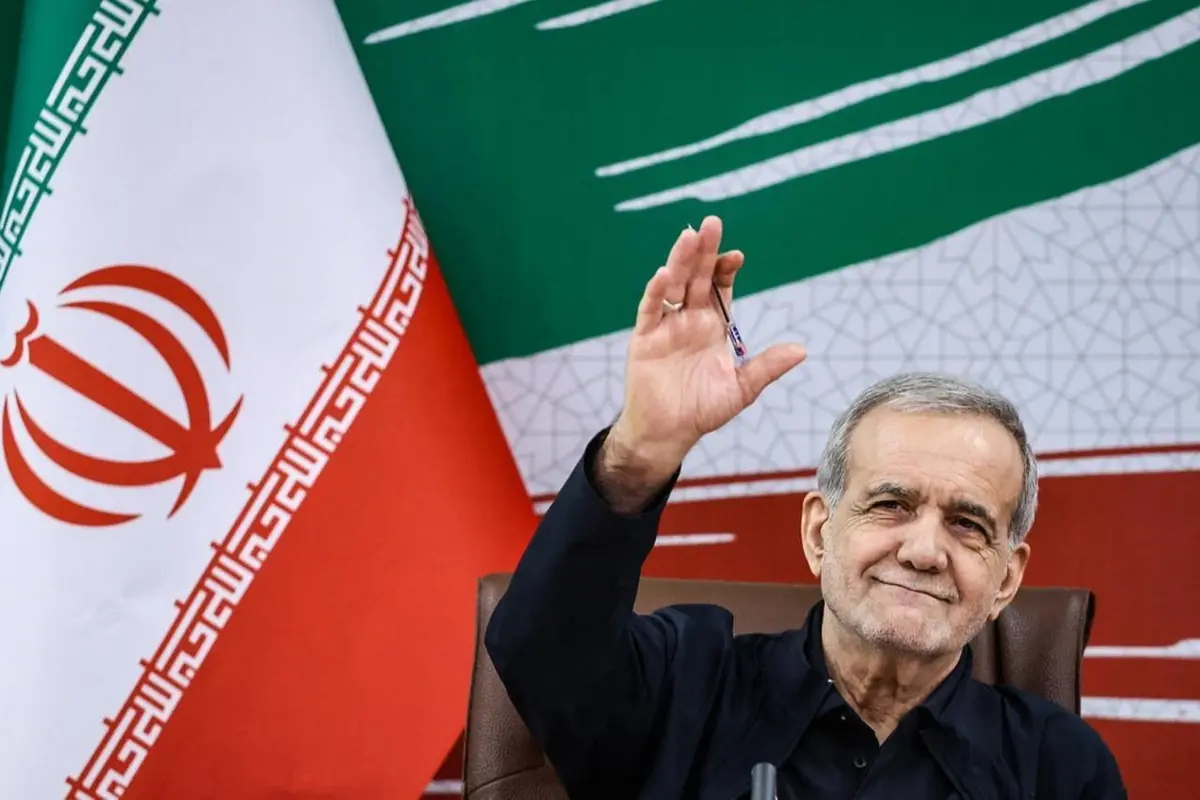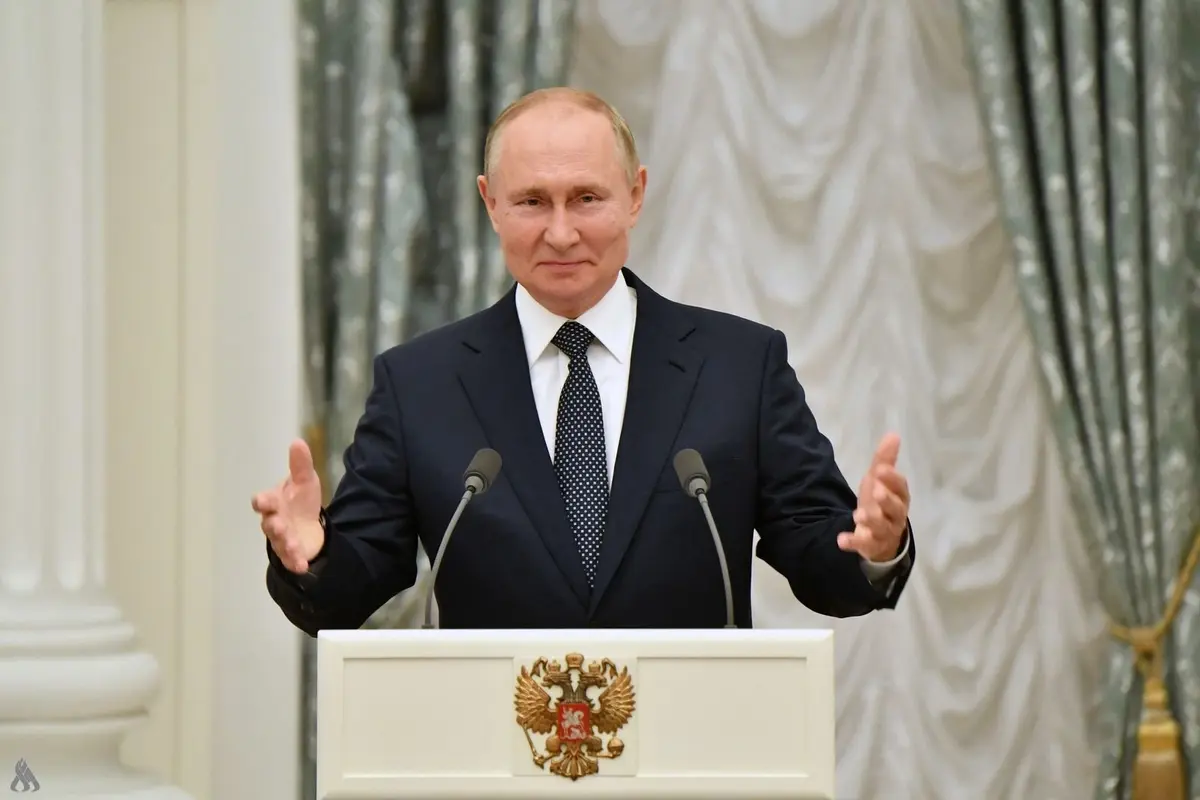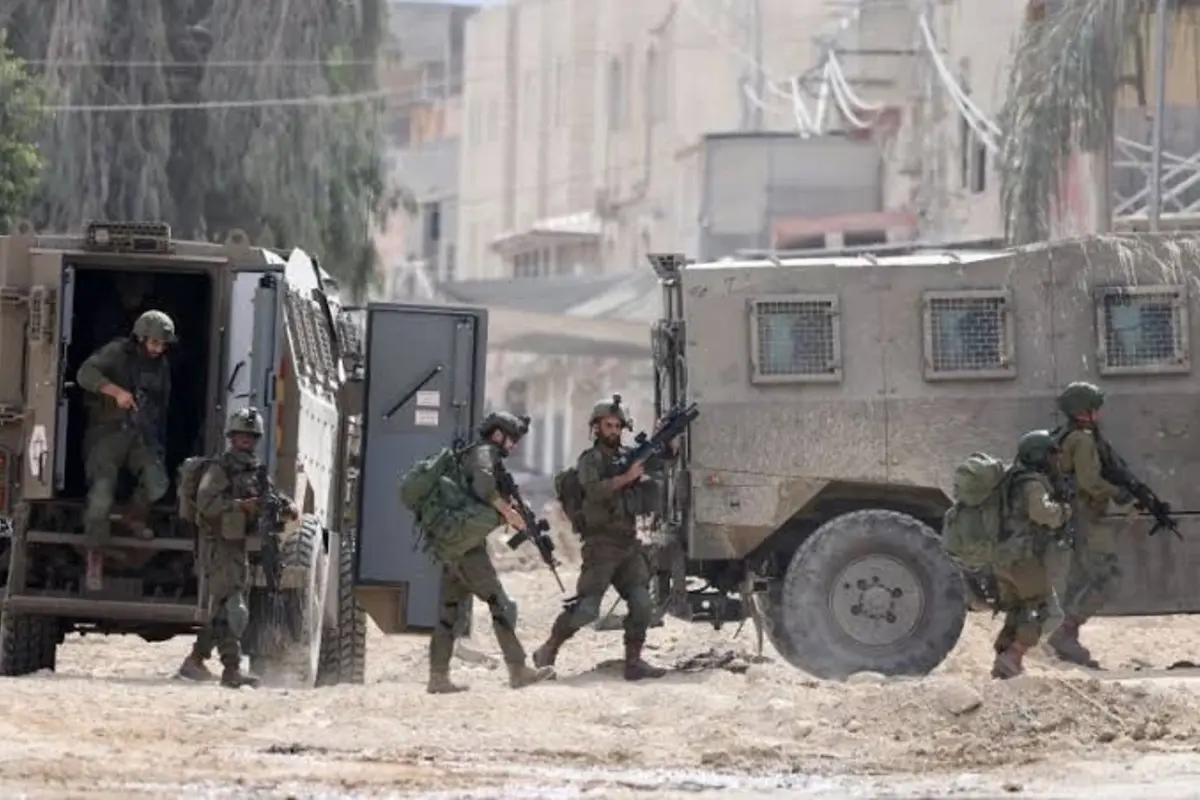

Former British PM Boris Johnson admits US aggression against Iran was a ‘mistake’

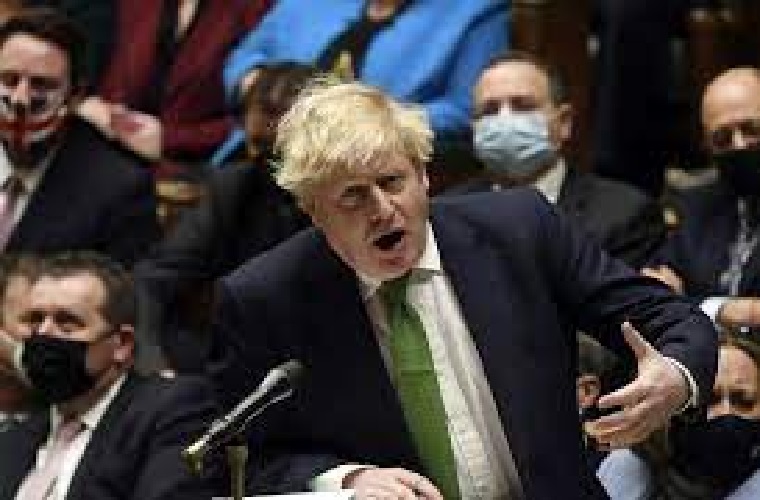
Boris Johnson’s assessment of the Iran war, delivered at a business forum in New Delhi last week, was less a confession of Western guilt than a pointed critique of execution — he argued the US walked into a foreseeable strategic trap, not that the underlying goal of stopping Iran’s nuclear program was wrong.
Speaking at the Economic Times World Leaders Forum, the former UK prime minister said Britain “could have played a stronger role in trying to stop this mistake,” arguing UK intelligence should have pressed Washington harder on its objectives before the war began. “I think the UK could have played a stronger role in trying to stop this mistake,” he said, describing the US position now as a “cul-de-sac” it needs to “back up” from. He was specific about what he thinks went unasked: British officials, he said, should have questioned Trump, his planners and the Pentagon about the war’s actual goals and contingency plans before strikes began — including what would happen if Iran responded by closing the Strait of Hormuz, which is roughly what happened.
Johnson’s critique was aimed at strategy and sequencing, not the underlying premise of confronting Iran. He explicitly said Iran must never be allowed to develop nuclear weapons or continue financing regional proxy networks — a position consistent with, not opposed to, the war’s stated aims — while arguing that air power alone cannot produce lasting political change in Tehran and that genuine transformation “must originate from within.” That’s a materially different argument than simply calling the war a mistake in principle; it’s closer to a critique of tactics and planning than a repudiation of the goal.
His proposed way out leans on regional diplomacy rather than confrontation. Johnson called for coordinated action between India, the US and the UK to find an exit path, stabilize energy markets and secure shipping routes through Hormuz — a waterway that normally carries a significant share of global oil and LNG shipments, making prolonged disruption a direct concern for energy-dependent economies like India’s. He praised India’s “very good period under very strong and stable leadership” as a reason it could play a decisive coordinating role, and separately argued that ending the conflict will require sustained diplomatic pressure on Russia as well, given Moscow’s long-standing ties to Tehran — extending his prescription beyond the immediate US-Iran-UK triangle.
Johnson’s remarks arrived amid a week of hardening rhetoric on both sides — Bessent’s “toughest sanctions in history” announcement, Iran’s threat of a “devastating” response, and Trump’s own claim to reporters that the Strait of Hormuz is effectively “American territory.” Against that backdrop, a former US ally’s prime minister publicly arguing Washington botched its own war planning is notable mainly for who’s saying it, not for breaking with the war’s underlying logic — Johnson remains squarely within the camp that wants Iran’s nuclear and proxy capabilities constrained; his disagreement is with how that goal has been pursued.
Whether India, the US and UK actually coordinate along the lines Johnson proposed remains speculative — his remarks were a personal prescription delivered at a forum, not policy from any government currently in office, including his own.
Catch all the World News, Breaking News Event and Trending News Updates on GTV News
Join Our Whatsapp Channel GTV Whatsapp Official Channel to get the Daily News Update & Follow us on Google News.
Must Read
Pakistan
PM Shehbaz Expresses Condolences Over Passing of Sheikh Ahmed bin Rashid Al Maktoum
21-September،2026

Pakistan
Russian Embassy in Pakistan Concludes State Duma Election Voting in Islamabad
21-September،2026