
Iran Questions US Security Guarantees for Gulf States Amid Regional Escalation

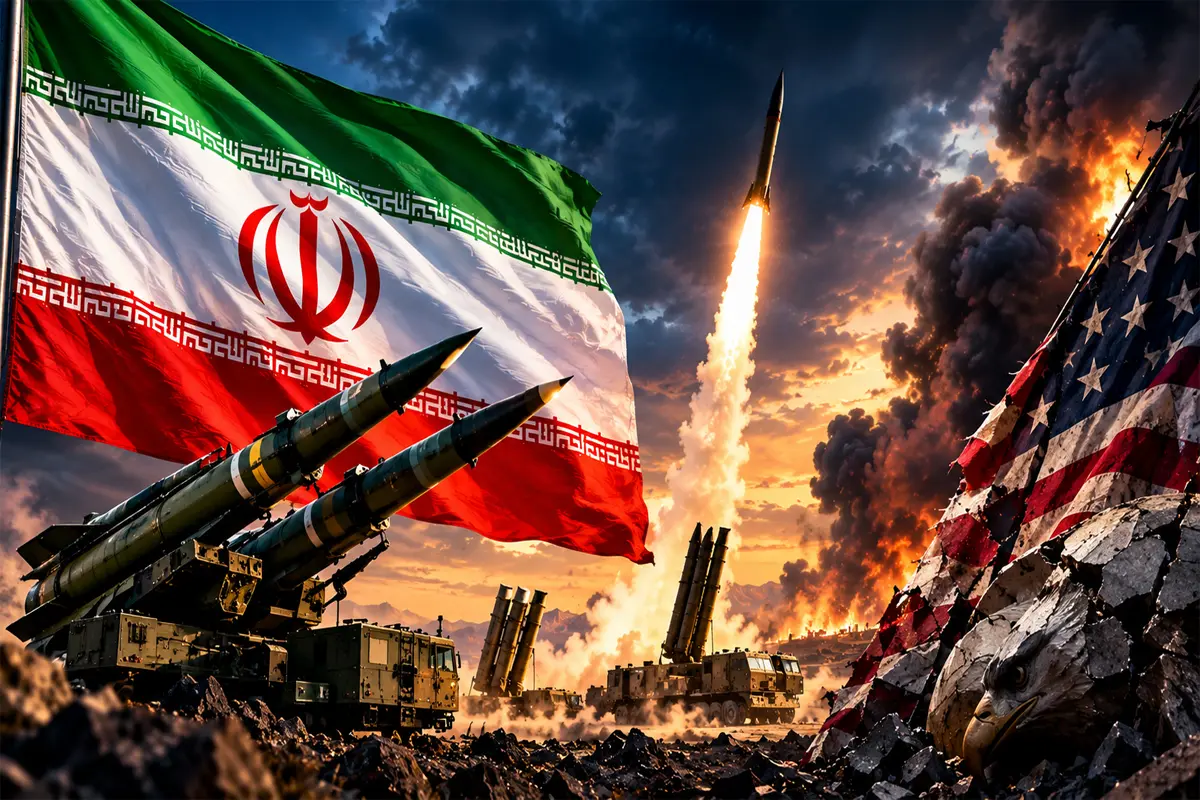
Iran has challenged the effectiveness of US security guarantees for Gulf countries, arguing that recent regional attacks have exposed weaknesses in the American-led security framework and strengthened the case for regional states to reconsider their dependence on Washington.
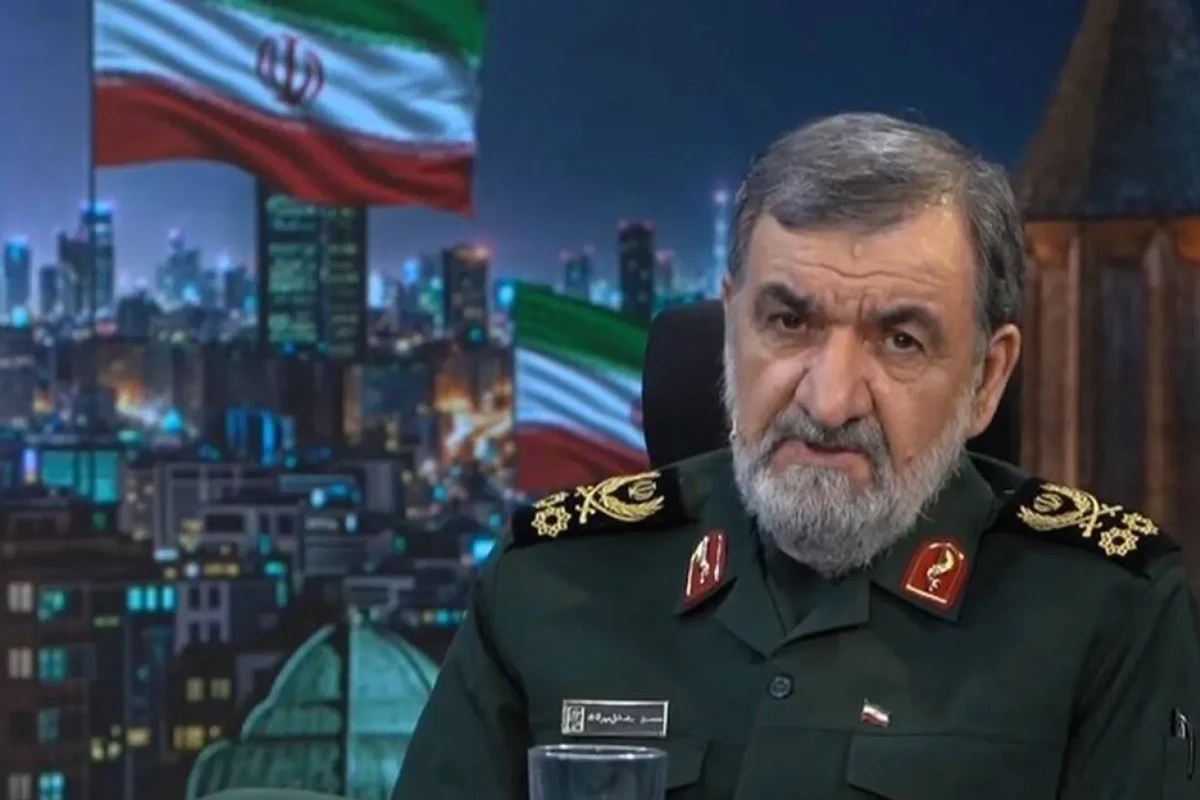
Iranian armed forces spokesperson Abolfazl Shekarchi made the remarks in comments carried by Iranian state media. He argued that countries across West Asia had seen the limitations of what Tehran describes as the US security umbrella and should reconsider relying on Washington and Israel to protect their interests.
Shekarchi also maintained that the United States was unable to guarantee its own security, let alone provide reliable protection for other countries. He warned that continued dependence on American security commitments could leave regional governments facing serious consequences if their strategic calculations proved mistaken.
These statements reflect Tehran’s longstanding opposition to the US military presence in the Gulf and its criticism of regional security arrangements involving Washington and Israel. They remain the Iranian military spokesperson’s assessment rather than an independent evaluation of the effectiveness of US defence commitments.
The debate has become more significant as the region faces mounting security concerns involving shipping routes, military installations, airports and energy infrastructure. Gulf states rely on a combination of national defence capabilities, international partnerships and maritime security arrangements to protect critical assets.
The Strait of Hormuz is central to these concerns because of its importance to international oil and gas shipments. Any sustained disruption to traffic through the waterway can affect energy supplies, shipping costs and market confidence, with consequences for producers and consumers far beyond the Gulf.
The source material also describes Iranian attacks on US military bases in Gulf countries and attacks attributed to the Houthi militia against Saudi infrastructure and airports. It further refers to reported threats involving Saudi maritime routes and the East-West oil pipeline. The details and extent of these developments were not independently established in the supplied account.
Iran’s criticism raises a strategic question for Gulf governments: how to balance established defence partnerships with the development of greater regional coordination and independent capabilities. However, Shekarchi’s remarks do not establish that Gulf states have collectively decided to change their security policies or abandon cooperation with Washington.
The United States maintains military facilities and defence partnerships across the Gulf, arrangements intended to support regional security and protect strategic interests. Their effectiveness depends on the nature of the threat, the capabilities available and coordination among participating countries.
The latest Iranian statement is therefore both a criticism of US regional policy and an attempt to influence how neighbouring states assess their security arrangements. Whether it changes defence cooperation or encourages new regional diplomatic initiatives remains uncertain.
For Gulf governments, the immediate challenge is to protect vital infrastructure and commercial routes while limiting the risk of a wider confrontation. The competing positions underline the importance of credible security planning and diplomatic efforts to prevent further escalation.
Catch all the World News, Breaking News Event and Trending News Updates on GTV News
Join Our Whatsapp Channel GTV Whatsapp Official Channel to get the Daily News Update & Follow us on Google News.
Must Read