
Iran War Fallout; Why Trump’s Allies Are Worried About 10 Senate Seats


Trump Signals New Trade Penalties After Court Setback
Ten US Senate contests have emerged as major battlegrounds ahead of the November 3 midterm elections, with the economic consequences of the Iran war, inflation and President Donald Trump’s popularity shaping the political environment. A CNN analysis identifies several closely watched races that could influence which party controls the upper chamber of Congress.
The assessment suggests Democratic candidates are competitive in a number of contests against Republicans backed by Trump. However, the balance remains uncertain, as the analysis is based on recent polling and prevailing political conditions rather than final election results.
North Carolina is among the key states, where Democratic candidate Roy Cooper is positioned against Republican Michael Whatley. Ohio is also attracting attention, with former senator Sherrod Brown facing Jon Husted in a closely contested race.
In Alaska, the contest involving Mary Peltola and Dan Sullivan is another race highlighted in the analysis. Maine is drawing interest because Republican Senator Susan Collins faces a strong challenge from Democrat Troy Jackson.
Texas is also a significant battleground, with James Talarico competing against Ken Paxton. In Michigan, the race between Abdul El-Sayed and Mike Rogers is among those being closely watched.
Other contests identified in the analysis include Iowa, where Josh Turek faces Ashley Hinson; Kansas, where Adam Hamilton is challenging Roger Marshall; New Hampshire, where Chris Pappas is competing against John Sununu; and Georgia, where Jon Ossoff faces Mike Collins.
The analysis also identifies Nebraska, South Carolina, Minnesota and Mississippi as states where unexpected results could emerge. The inclusion of these states indicates that the electoral picture may extend beyond the ten principal contests, depending on campaign developments and voter preferences.
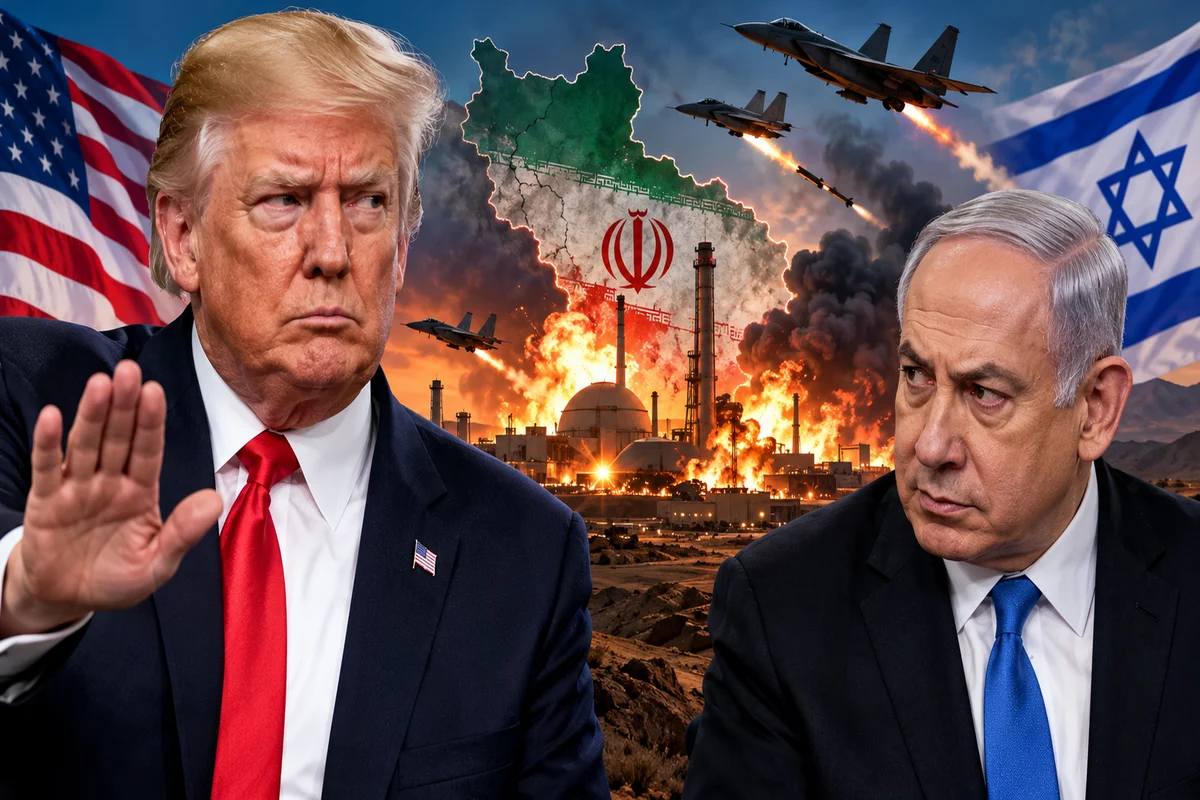
Economic concerns are a major part of the political backdrop. Inflation and the potential costs associated with the conflict involving Iran have become issues for candidates and voters, while Trump’s standing may influence Republican performance across the country.
The financial scale of the campaigns is also notable. CNN’s report says the two parties are spending more than $300 million combined on advertising during the final two weeks of campaigning for the highlighted contests. Such spending underscores the importance both parties attach to races that could affect control of the Senate.
The consequences of the election extend beyond individual candidates. Control of the Senate influences the legislative process and the ability of a president’s party to advance its priorities through Congress.
Nevertheless, the current assessment should not be treated as a final forecast. Polling, turnout and late campaign developments can change the competitive position of candidates before voting concludes.
The central question is whether Democrats can convert their reported competitive position into enough victories to gain an advantage in the Senate. The results on November 3 will determine the balance of power in the chamber.
Catch all the World News, Breaking News Event and Trending News Updates on GTV News
Join Our Whatsapp Channel GTV Whatsapp Official Channel to get the Daily News Update & Follow us on Google News.
Must Read