
EU Plans to Create New Intelligence Unit Under Ursula von der Leyen

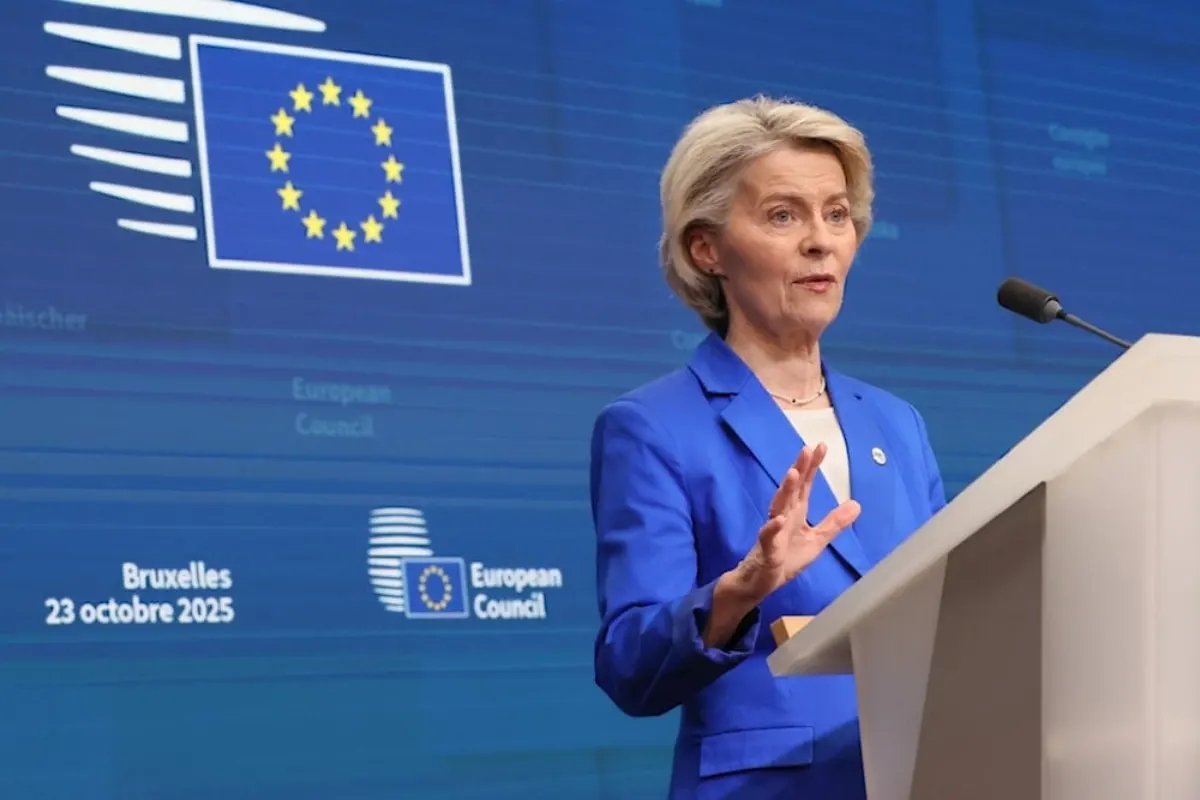
Brussels: The European Commission is preparing to set up a new intelligence unit under President Ursula von der Leyen, aiming to strengthen the EU’s ability to assess security threats across member countries, according to a report by The Financial Times.
The proposed body will be part of the Commission’s secretariat-general and include staff from national intelligence agencies. Its main goal is to bring together information collected by EU member states to improve coordination and response to security challenges.
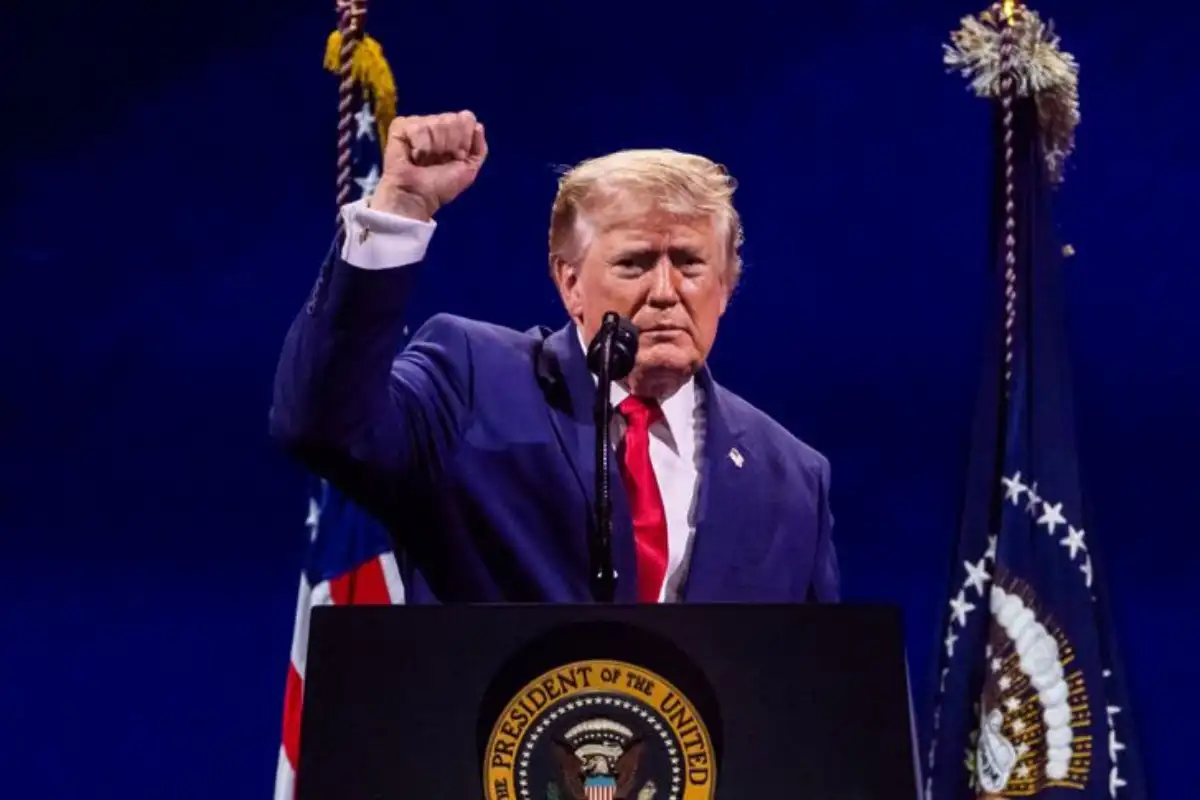
Officials told the FT that the move comes as Europe faces growing security concerns, particularly due to the war in Ukraine and warnings from former U.S. President Donald Trump about reducing Washington’s security support for allies.
One source said: “EU member states know a lot, and the Commission knows a lot. We need a better way to combine that knowledge and make it useful to partners. In intelligence, you need to give something to get something.”
However, the plan is facing resistance from some EU officials, especially those in the bloc’s Intelligence and Situation Centre, who fear the new unit could duplicate their work and weaken their authority.
The proposal has not yet been officially presented to all 27 EU governments. It suggests that intelligence experts from national services would be temporarily assigned to the new unit.
A Commission spokesperson confirmed that Brussels is “examining how to strengthen its security and intelligence capabilities,” and that the creation of a special cell is being considered. The spokesperson added that the model would “build on existing expertise” and work closely with the European External Action Service, but that the plan is still in development with no fixed timeline.
Concerns Over Intelligence Sharing
Intelligence cooperation in the EU has long been a sensitive topic. Some countries, like France, are cautious about sharing classified information, while political changes in states such as Hungary have made coordination even more difficult.
Several EU capitals are expected to oppose expanding the Commission’s intelligence role, although many agree that current systems are not effective enough. One official told the FT: “The Commission is not going to start sending agents into the field.” The focus, they said, will be on intelligence analysis rather than operational activities.
Europe’s Security Push
The report noted that Europe’s reliance on U.S. intelligence was exposed earlier this year when Trump temporarily paused support for Ukraine. This prompted the EU to speed up efforts to develop its own security tools.
The new intelligence plan is part of a wider security agenda led by von der Leyen, which includes setting up a “security college” for EU leaders, funding weapons for Ukraine, and expanding the Iris² satellite program.
EU cooperation on intelligence began after the 9/11 attacks and was later integrated into the European External Action Service in 2011. The new proposal suggests that Brussels may now be ready to take a bigger role in managing Europe’s security and intelligence future.
Catch all the World News, Breaking News Event and Trending News Updates on GTV News
Join Our Whatsapp Channel GTV Whatsapp Official Channel to get the Daily News Update & Follow us on Google News.
Must Read