
Riyadh tells Washington no airspace access for attacks on Iran

Riyadh tells Washington no airspace access for attacks on Iran
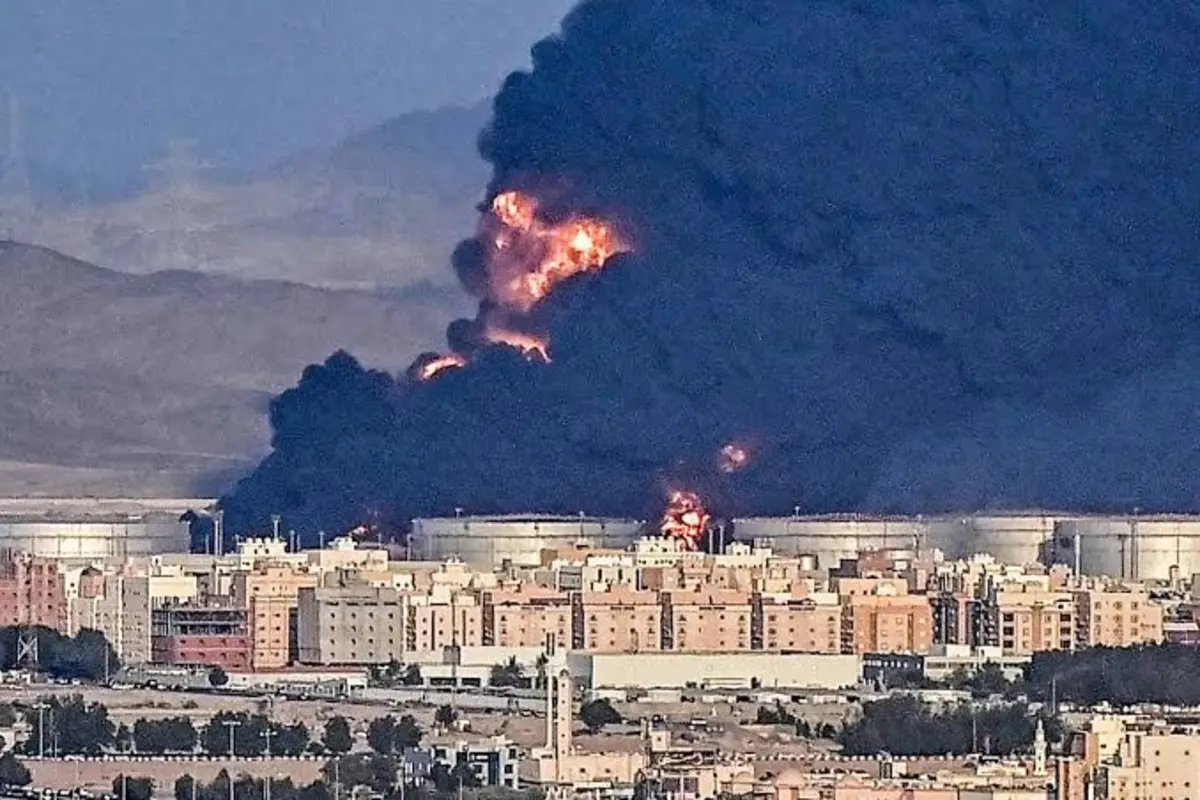
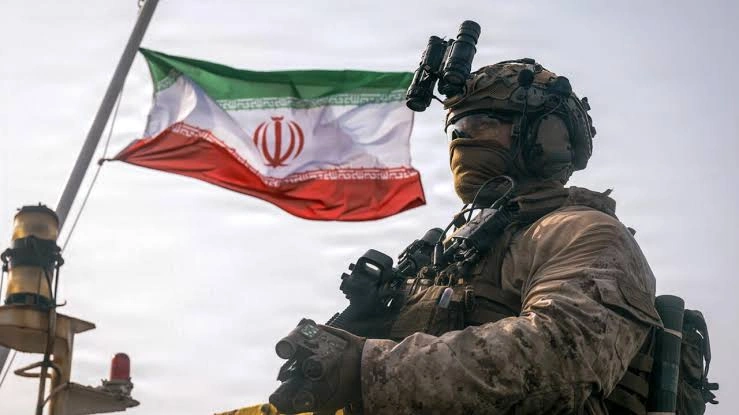
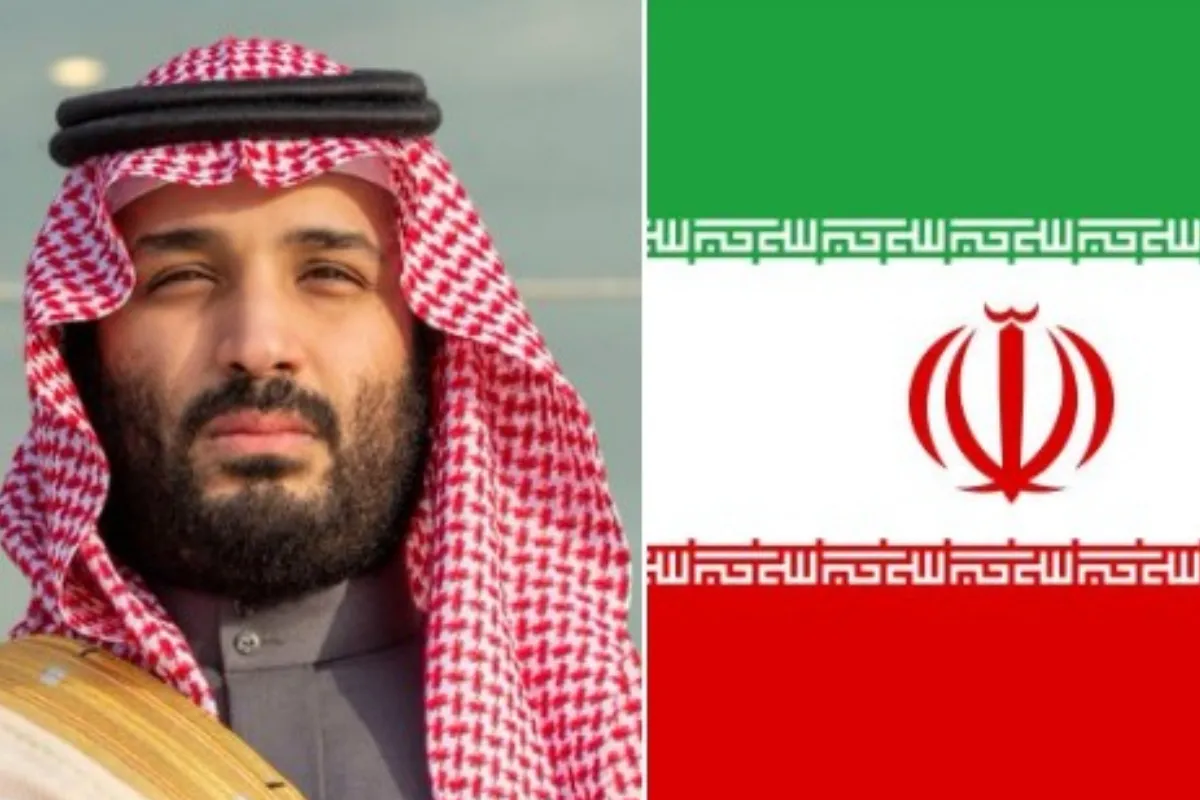
RIYADH—In a move to prevent a catastrophic regional escalation, Saudi Arabia has officially informed the United States that it will not permit its airspace or territory to be used for military strikes against Iran.
This decision comes amid reports from the Wall Street Journal and regional diplomatic sources indicating that Saudi officials, alongside leaders from Oman and Qatar, have intensified their lobbying of the Trump administration. These Gulf monarchies are privately urging Washington to refrain from military intervention, warning that any attack could trigger uncontrollable economic and political turmoil across the Middle East.
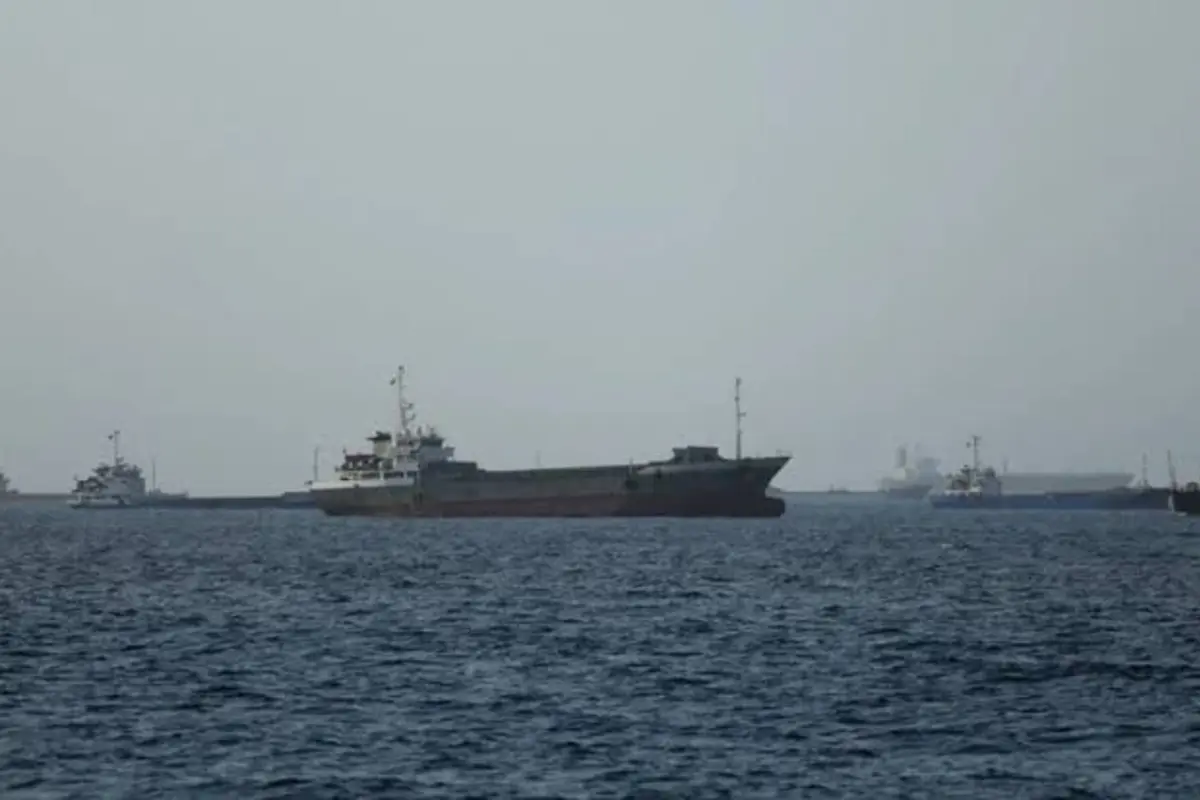
A primary pillar of this strategic neutrality is Riyadh’s clear communication to Tehran that it will remain uninvolved in any potential hostilities. This includes a firm refusal to grant the U.S. access to Saudi airspace for kinetic operations or refueling missions. At the heart of these concerns is the protection of the Strait of Hormuz, a vital maritime chokepoint through which approximately 20% of the world’s seaborne oil passes daily. Gulf officials have warned their American counterparts that a military campaign intended to destabilize the Iranian regime would almost certainly disrupt these energy shipments, causing a global economic shockwave.
BREAKING:
Saudi Arabia says it will not allow the US to use its airspace to attack Iran. pic.twitter.com/iQDRpbgIIu
— Globe Eye News (@GlobeEyeNews) January 14, 2026
The internal stability of the Gulf nations is also a driving factor behind this stance. There is a profound fear that a direct conflict could lead to Iranian retaliation against vital infrastructure, which would jeopardize Saudi Arabia’s ambitious Vision 2030 economic goals. While President Donald Trump has recently issued public messages of support to anti-government protesters in Iran—stating on social media that “Help is on its way”—Saudi leaders remain wary of the unpredictability that would follow a government collapse in Tehran.
Experts note that this refusal marks a significant moment of regional autonomy. Gulf states are increasingly prioritizing their own national security and the stability of global energy markets over strict alignment with U.S. military objectives. Rather than supporting a military-led regime change, these nations are pushing for domestic reforms within Iran as a more sustainable path toward regional calm.
Catch all the World News, Breaking News Event and Trending News Updates on GTV News
Join Our Whatsapp Channel GTV Whatsapp Official Channel to get the Daily News Update & Follow us on Google News.
Must Read


Pakistan
BOP Shareholders Unanimously Approve PKR 30 Billion Equity Injection by Government of the Punjab
8-September،2026