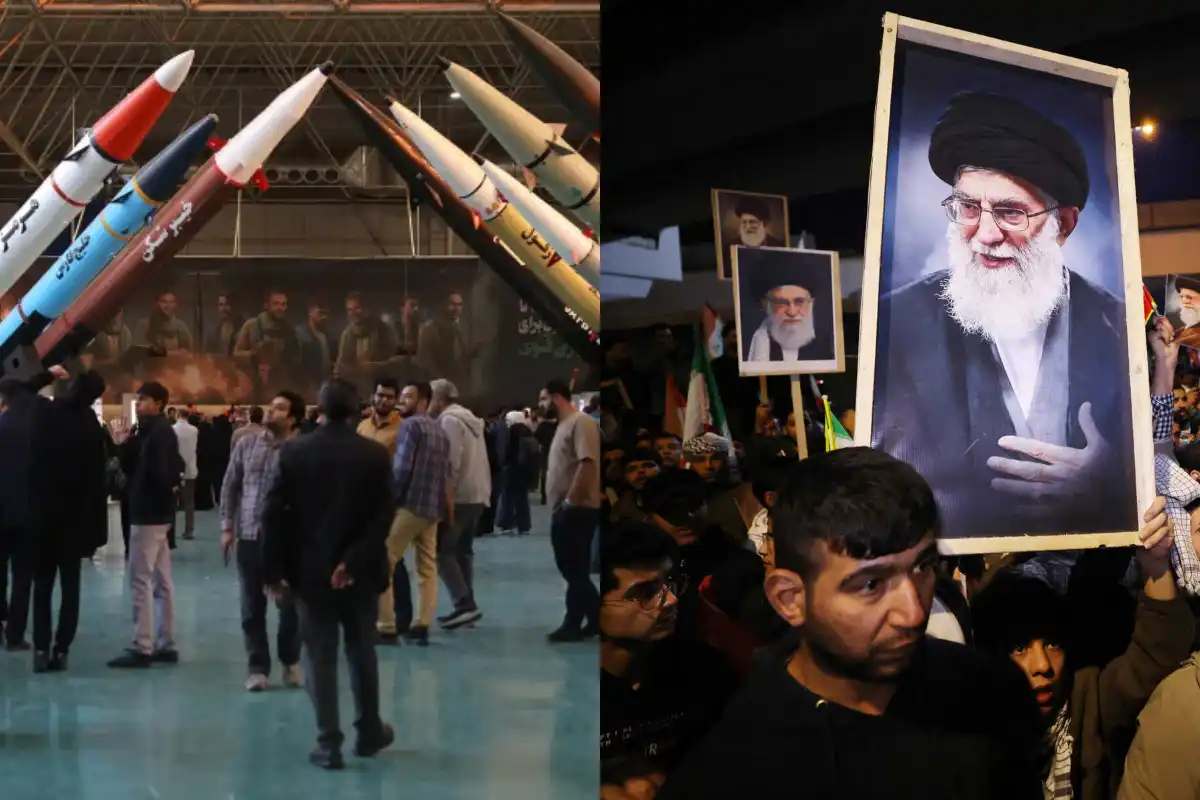
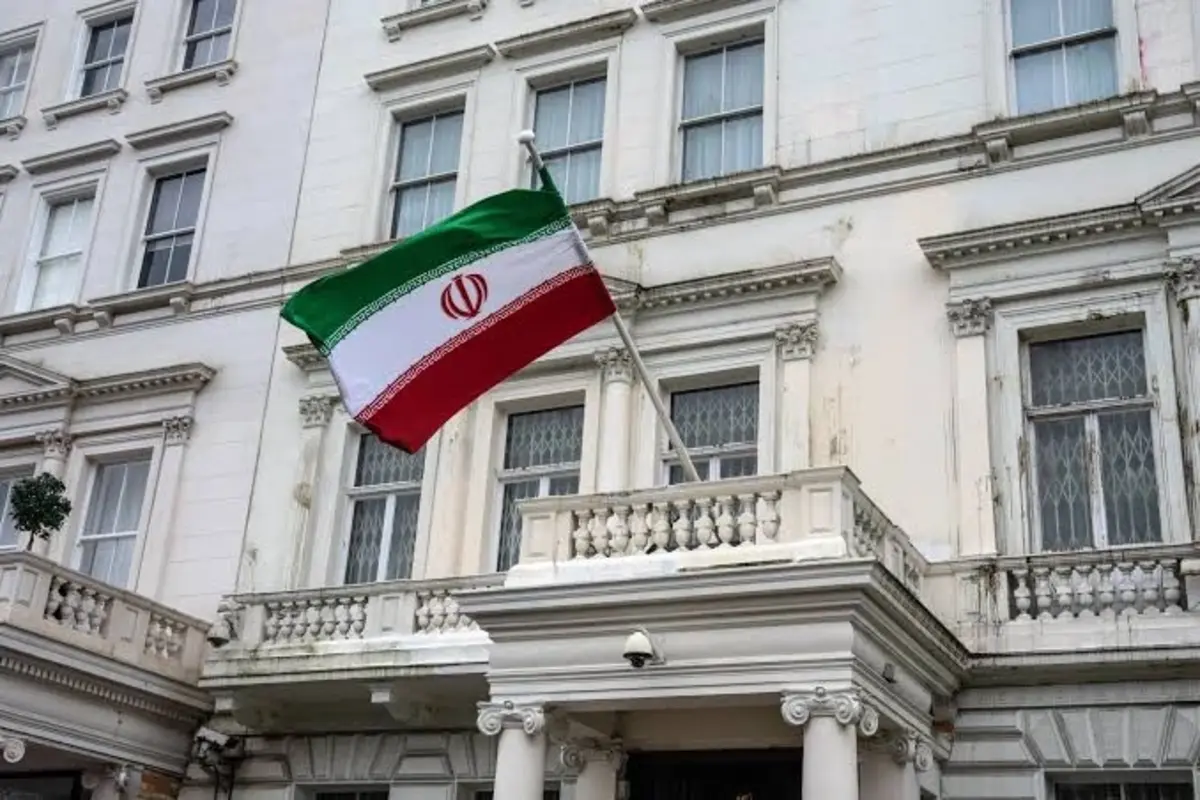
Iran has intensified retaliatory operations against Israel and United States military assets across the Gulf following the Martyrdom of Supreme Leader Ayatollah Ali Khamenei and other senior officials during the US-Israeli assault.
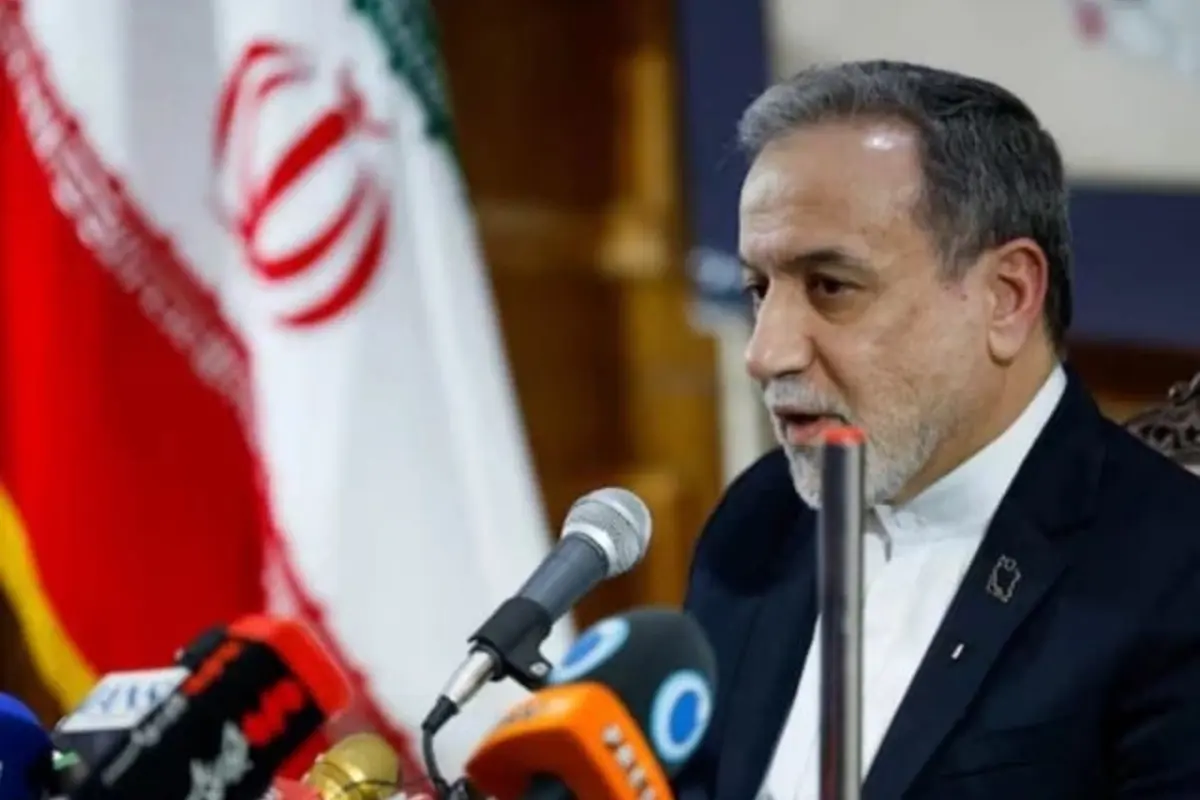
The Islamic Revolutionary Guard Corps (IRGC) vowed revenge, describing its operations as “the heaviest offensive operations in the history of the armed forces of the Islamic Republic against occupied lands [a reference to Israel] and the bases of American terrorists.” Iran’s army chief, Amir Hatami, also pledged continued defense, noting that Iranian fighter jets struck US bases across the Gulf.
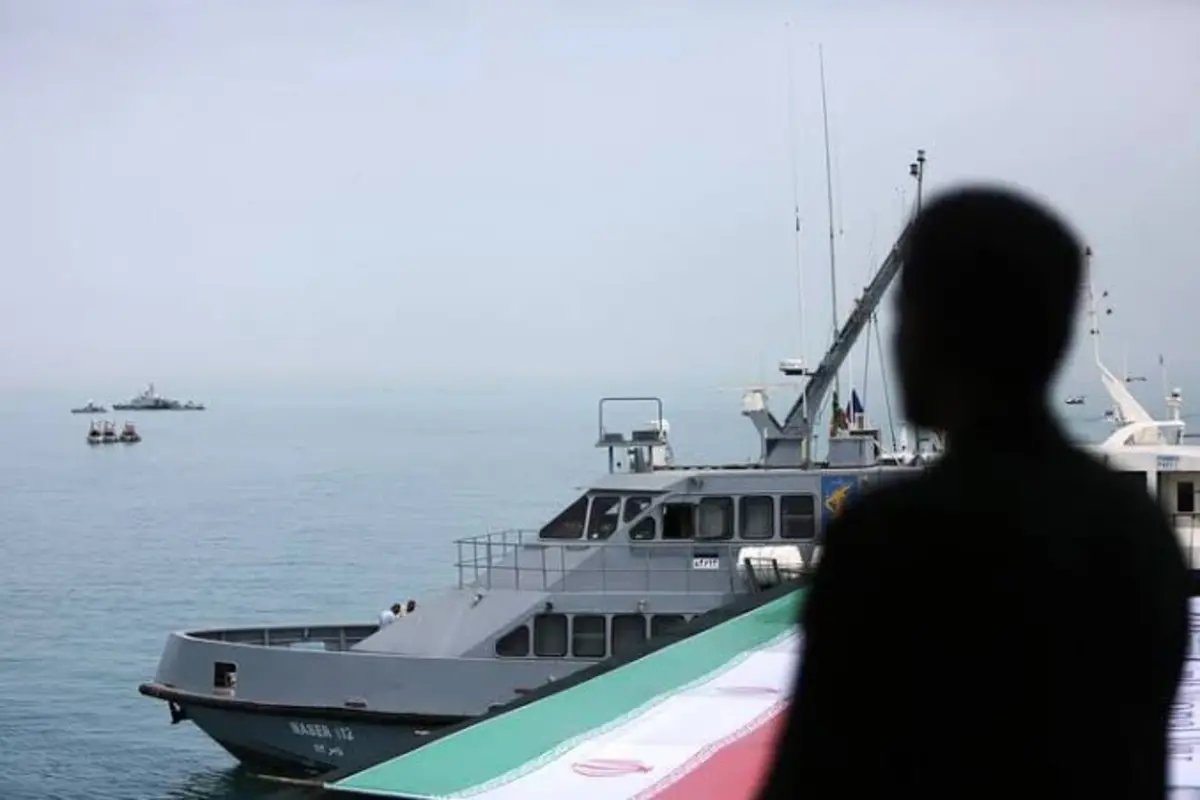
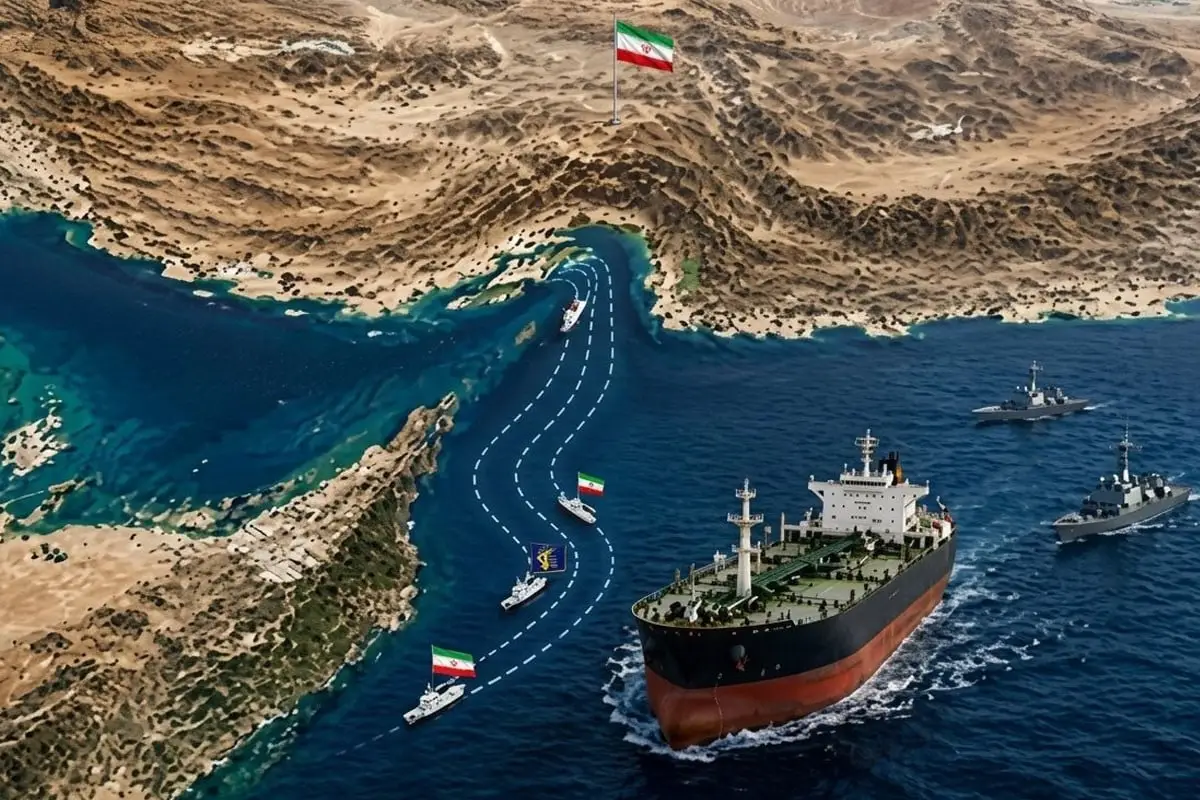
Iran’s military strategy has evolved significantly since last June’s 12-day war with Israel. Defence analysts say Tehran has shifted from a primarily defensive posture to a more aggressive, asymmetric approach designed to ensure the Islamic Republic’s survival. John Phillips, a British military analyst, explained that the strategy now emphasizes “asymmetric endurance,” dispersing command structures, hardening missile infrastructure, and accepting initial damage to maintain a second-strike capability. Iran has also incorporated saturation attacks using ballistic missiles, drones, and proxies, along with threats to close the Strait of Hormuz, to increase regional and global economic pressure.
Iran operates a complex military structure, including the regular army (Artesh) and the IRGC, with both reporting directly to the supreme leader. The IRGC controls airspace and drone operations, which have become central to Tehran’s deterrence strategy. Analysts note that this layered structure is intended to defend against both internal and external threats while preserving the regime’s survival.
In the recent escalation, Iran has deployed Shahed drones and high-speed ballistic missiles against Israel, the UAE, and US military facilities in the Gulf. While many attacks were intercepted, some struck civilian and military targets, resulting in casualties and infrastructural damage. Hezbollah also launched rockets at northern Israel in retaliation for Khamenei’s Martyrdom .
Compared to June 2025, Iran’s doctrine has become more structurally aggressive, embracing the early and extensive use of missiles, drones, cyberattacks, and energy coercion. While operational constraints and sanctions limit Tehran, the regime has become more risk-accepting and escalatory, relying on episodic bursts of aggression rather than sustained high-intensity warfare.
Experts say Iran’s strategy aims to demonstrate deterrence, force Israel and the US into sustained defense operations, and maintain leverage for regional negotiations. However, analysts caution that economic strain, internal unrest, and cumulative damage to military infrastructure pose significant challenges to Iran’s long-term strategic objectives.
Phillips concluded that while Iran can sustain intermittent missile, drone, proxy, and cyber operations for years, its ability to maintain high-intensity conflict is limited by political, economic, and military constraints. Similarly, the US and Israel retain superior capabilities but are constrained by domestic political considerations and the costs of prolonged engagement.
Iran’s recalibrated military approach signals a more aggressive, asymmetric doctrine designed to safeguard the regime, project power regionally, and impose costs on adversaries while balancing operational risks and strategic constraints.