In response to the economic challenges posed by the ongoing conflict in the Middle East, the Punjab government has announced several measures aimed at addressing the pressure on fuel supplies and ensuring the continued functioning of essential services.
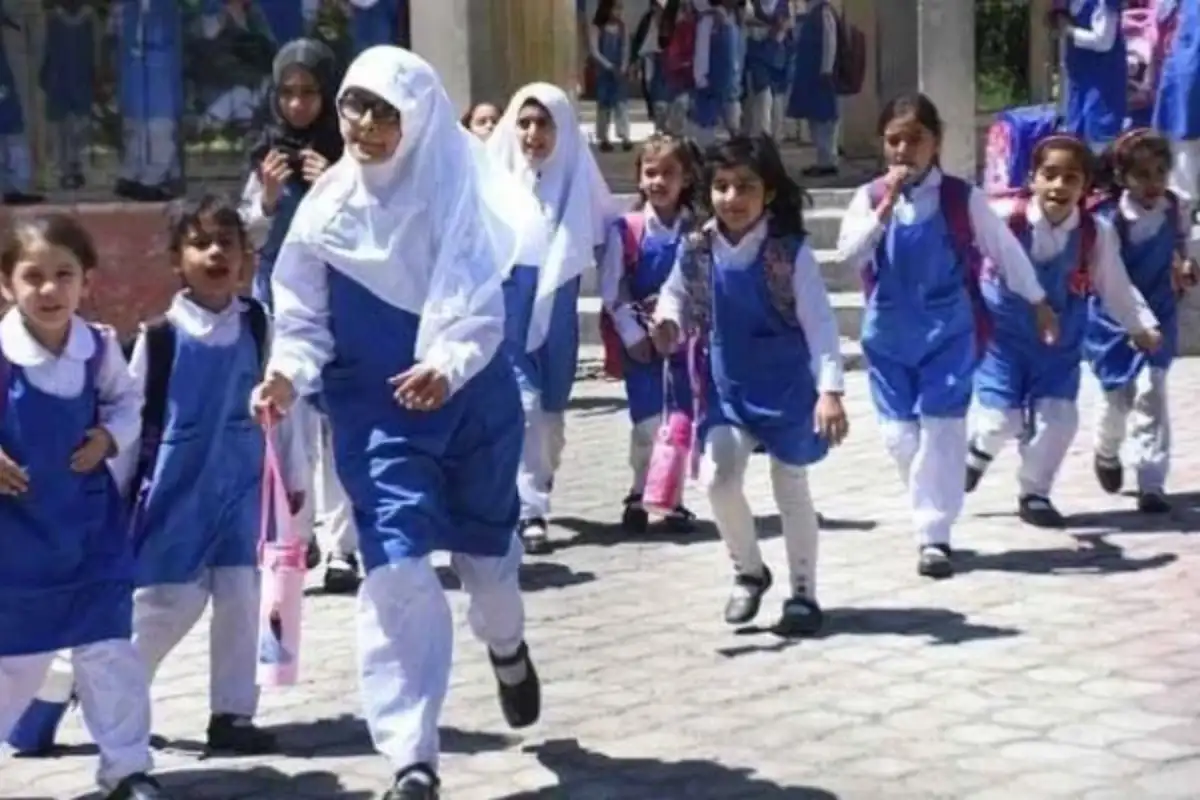
As part of the new directives issued by Punjab Chief Minister Maryam Nawaz, all educational institutions, including schools, colleges, and universities, will remain closed from March 10 to March 31. However, online classes will continue, and exams will be held as per the original schedule. The closure comes as part of broader efforts to mitigate the impact of rising petroleum prices, which have been sharply affected by global supply disruptions following the Middle East conflict.
“Office operations will continue, and only additional support staff will have restricted movement,” Maryam Nawaz said, emphasizing that government services will remain unaffected. Educational institutions, while closed, will continue with key initiatives like the school enrolment campaign and the digital school census.
Due to the closure of the Strait of Hormuz, a critical oil route, Pakistan, like many global economies, has faced a fuel supply crisis, causing major oil-producing countries to struggle with delivery. As a result, Pakistan has announced a 20% increase in petrol and diesel prices, which has led to widespread austerity measures across the country.
To conserve fuel, the Punjab government has decided to implement a 50% reduction in petrol and diesel allowances for all government officials. Additionally, ministers will no longer receive government-funded fuel until the supply situation improves. Official transport protocols have been limited to one vehicle for essential security purposes only.
The Punjab government has also put in place work-from-home policies for government offices, with only essential staff required to attend in person. Meanwhile, online services under the “Maryam Ki Dastak” and e-business platforms will continue to operate without disruption.
As part of ongoing efforts to monitor fuel usage, the Punjab government has set up district-level petrol monitoring committees, and the Punjab Information Technology Board (PITB) has been tasked with creating a track-and-trace system for petroleum products. Authorities will also monitor transport fares and take legal action against any unlawful increases.
Furthermore, the Chief Minister has advised citizens to limit unnecessary purchases, avoid outdoor events, and refrain from late-night shopping to help manage the economic strain. Similar measures have been introduced in Balochistan, where educational institutions have been closed until March 23, and Khyber Pakhtunkhwa has rolled out its own fuel conservation plan.
These steps reflect the ongoing efforts by provincial governments to manage the economic impact of the global oil crisis and ensure the stability of essential services across Pakistan.