Iran’s Pezeshkian Warns Naval Blockade Threatens Global Peace, Reaffirms Strait of Hormuz Sovereignty

Iran’s Pezeshkian Warns Naval Blockade Threatens Global Peace, Reaffirms Strait of Hormuz Sovereignty
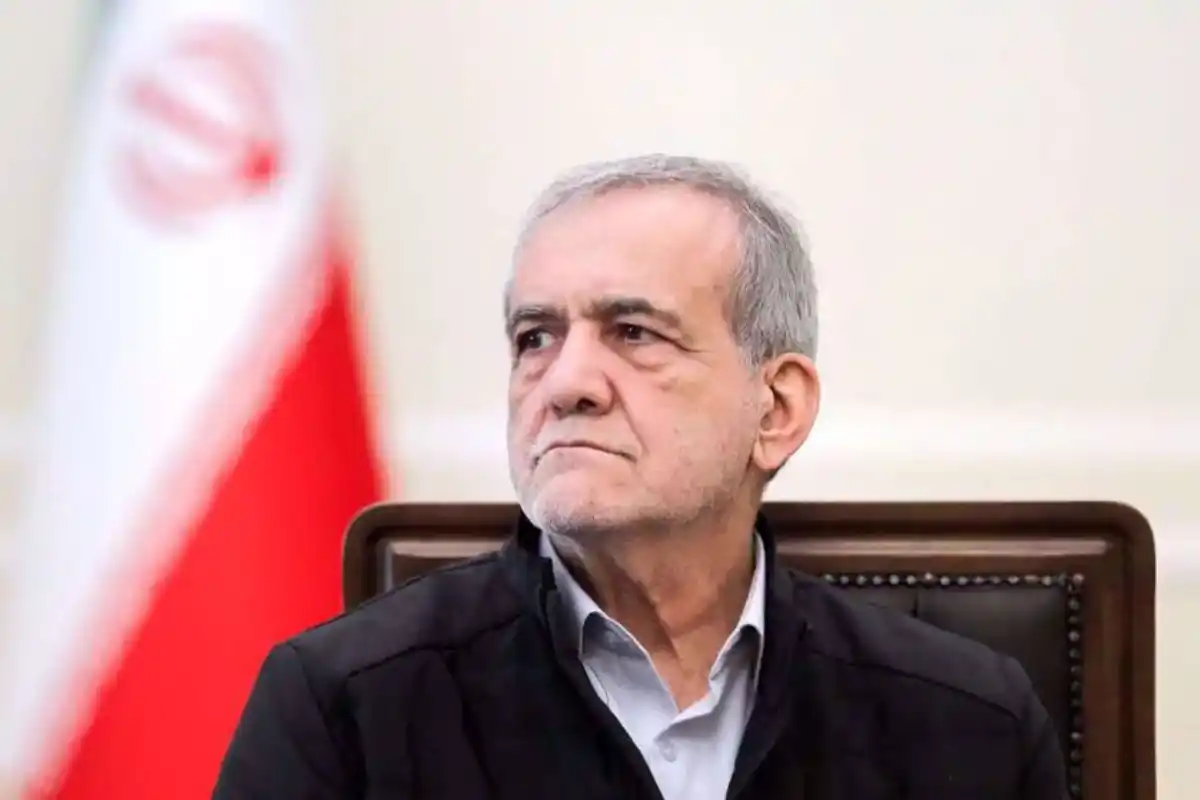
On the occasion of Persian Gulf Day, Iranian President Masoud Pezeshkian warned that any attempt to impose naval blockades or restrict maritime routes violates international law and endangers both regional interests and global stability, stressing such actions are bound to fail.
In his official message, he described the Persian Gulf as an “inseparable” element of Iranian identity and a lasting symbol of resistance against colonial influence, past and present. He noted that this year’s observance comes amid ongoing tensions involving the United States and Israel, underscoring the strategic importance of the region, particularly the Strait of Hormuz.
Pezeshkian highlighted the role of Iran’s naval forces, stating that their actions demonstrate the critical importance of this passage for global energy transit. He added that the waterway also represents national sovereignty and “reflects Iran’s undeniable role in ensuring regional and global security.”
The president stated that adversaries have shifted pressure tactics from economic measures to naval restrictions and disruptions in maritime trade routes. However, he asserted that the Persian Gulf cannot be subjected to unilateral foreign control, emphasizing that its security depends on cooperation and respect among coastal nations.
He reiterated that foreign military presence in the region contributes to instability rather than security, warning that it increases tensions and undermines lasting peace. Referring to recent hostilities, Pezeshkian said US military bases in the region failed to protect their host countries and instead exposed them to greater risks.
He further stated that bases used to launch attacks against Iran would be considered legitimate targets, as they directly supported aggression against the country.
While reaffirming Iran’s commitment to maritime safety and freedom of navigation, he clarified that these principles exclude hostile nations and must be accompanied by respect for Iran’s sovereignty.
Pezeshkian held the United States and Israel responsible for insecurity in the Persian Gulf and expressed hope that long-term stability could be achieved without foreign interference.
He also referenced recent diplomatic efforts, including a Pakistan-mediated ceasefire and talks in Islamabad, which did not result in an agreement due to what Iran described as excessive demands from Washington. Iran has since refused to resume negotiations unless sanctions and the naval blockade on its vessels are lifted.
Tehran has further indicated that it will not reopen the Strait of Hormuz while restrictions remain in place, noting that the US blockade has failed to significantly impact Iran’s oil exports.
Catch all the World News, Breaking News Event and Trending News Updates on GTV News
Join Our Whatsapp Channel GTV Whatsapp Official Channel to get the Daily News Update & Follow us on Google News.
Must Read
Pakistan
UN warns of escalating tensions on Lebanon-Israel border as Gaza sees major aid delivery
4-September،2026

Pakistan
Ogdc posts record rs242.37bn profit, up 42.7pc, nine new oil and gas discoveries
4-September،2026