
Iran Pushes Back Enemy in ‘History-Making’ War, Says Parliament Speaker Qalibaf

Iran Pushes Back Enemy in 'History-Making' War, Says Parliament Speaker Qalibaf
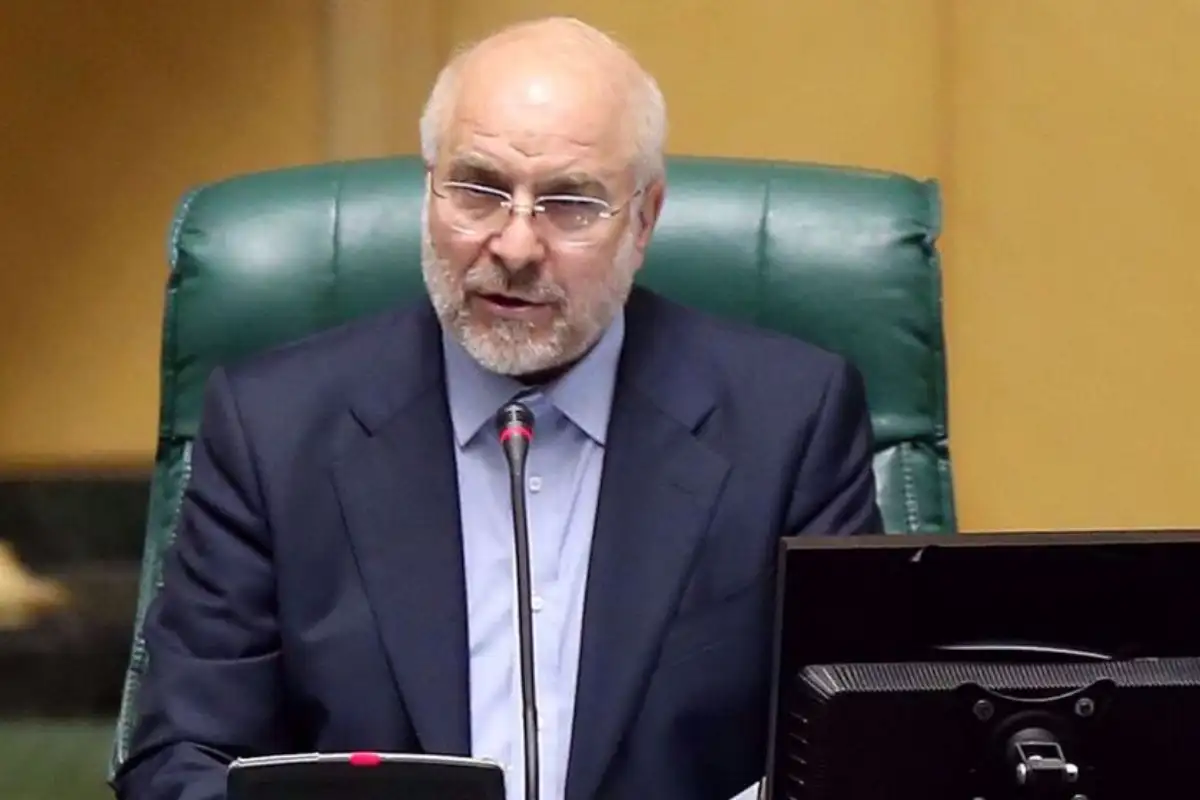
Iran’s Parliament Speaker Mohammad-Baqer Qalibaf has declared that Iran is successfully repelling its enemies in what he called a “history-making” war, crediting the nation’s resilience and unity for its battlefield gains.
Speaking on Sunday, Qalibaf made his remarks as Pakistan’s mediation efforts reportedly drew Tehran and Washington closer to finalizing a memorandum of understanding aimed at ending the US-Israeli military campaign against the Islamic Republic.
“We are pushing back the enemy in a great and history-making war. As the Leader of the Islamic Revolution emphasized, the most important factor in victory in this war is cohesion and unity,” Qalibaf stated.
He underscored that alongside Iran’s military strength and the readiness of its armed forces, it is the unwavering steadfastness of the Iranian people that has forced the enemy into retreat. “What has brought about the enemy’s retreat, along with the military power and defensive readiness of Iranian fighters, is the people’s steadfastness and unity in the face of the mighty enemy; this secret of victory must be preserved,” he added.
Qalibaf expressed gratitude to Ayatollah Seyyed Mojtaba Khamenei for his strategic guidance, describing the Leader’s message as a roadmap for the Parliament going forward.
The Speaker simultaneously cautioned that the enemy is attempting to exploit economic pressure and media manipulation to sow internal discord among Iranians — a strategy he said was designed to compensate for military failures and coerce Iran into submission. He stressed, however, that the Iranian nation continues to resist.
Qalibaf outlined four key battlegrounds in the current conflict: the military front, the street, diplomacy, and public service. He emphasized that military achievements were made possible by the people’s support, and that diplomacy must now convert those gains into concrete political and legal victories.
He also underlined Iranian negotiators’ deep skepticism of enemy commitments, asserting: “We will not approve any agreement until we are sure that we have upheld the rights of the Iranian nation.”
The conflict was triggered on February 28 when US-Israeli airstrikes assassinated senior Iranian officials and commanders. In response, Iran’s armed forces launched 100 waves of retaliatory strikes on American and Israeli strategic targets across the region and imposed restrictions on transit through the Strait of Hormuz.
A Pakistan-brokered temporary ceasefire took effect on April 8, forty days into the war. However, the first round of Tehran-Washington negotiations ended without agreement. The US subsequently extended the truce unilaterally following its expiry but simultaneously imposed a naval blockade on Iran — a move Tehran described as inhumane.
Catch all the World News, Breaking News Event and Trending News Updates on GTV News
Join Our Whatsapp Channel GTV Whatsapp Official Channel to get the Daily News Update & Follow us on Google News.
Must Read


World
Four Terrorists Killed in Security Operations in Balochistan and North Waziristan
30-September،2026