
Gilgit-Baltistan Election 2026: 396 Candidates, 266 Independents – What the Numbers Reveal About GB’s Political Landscape

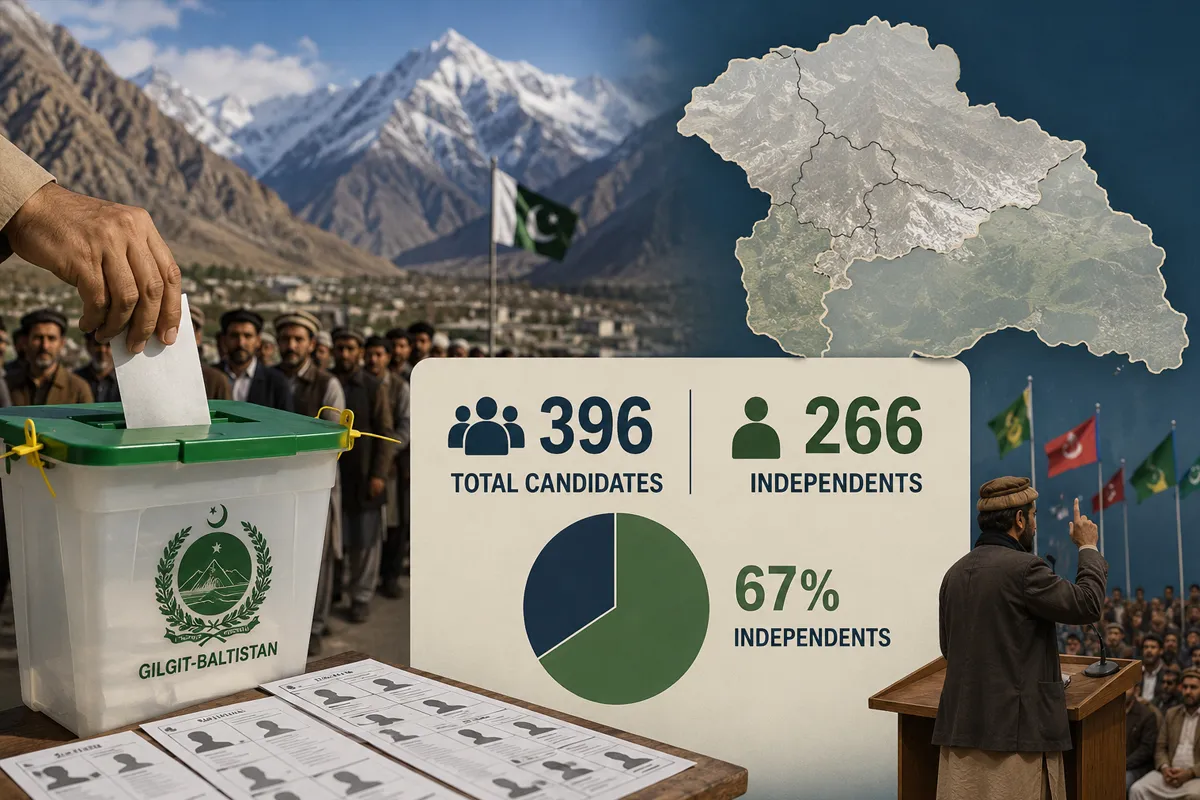
When two-thirds of candidates run without a party label, it tells you everything about how politics actually works in Pakistan’s northern frontier.
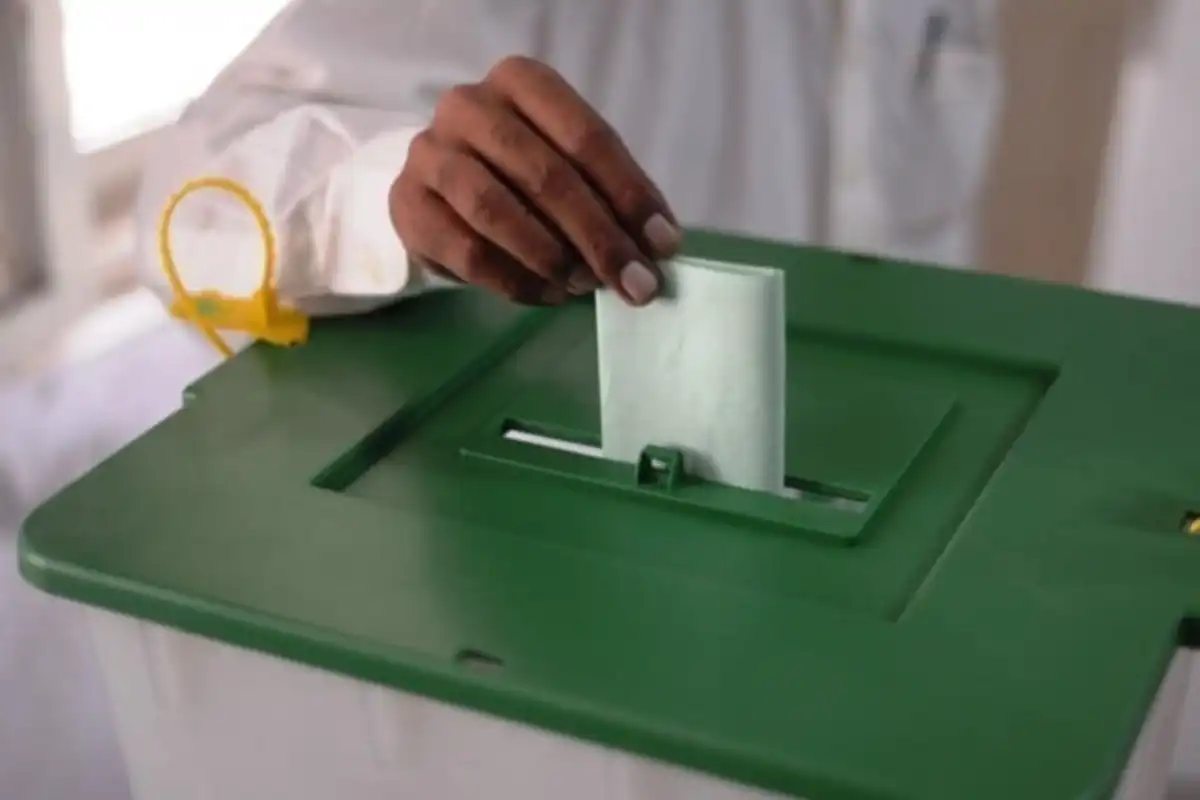
The Election Commission of Gilgit-Baltistan has released its final candidate list for the 2026 GB Assembly elections, confirming 396 candidates will contest seats across the territory. The headline figure, however, masks a more revealing story: 266 of those candidates — fully 67 percent — are running as independents, exposing the fragmented, personality-driven nature of GB’s electoral politics and the limited organizational reach of national parties in the region.
The Independent Candidate Phenomenon
In most developed electoral systems, independent candidacies represent protest votes or niche constituencies. In Gilgit-Baltistan, they represent the mainstream. The overwhelming dominance of independent candidates reflects tribal loyalties, clan-based voting patterns, and local personality politics that consistently outweigh national party platforms in GB’s dispersed mountain constituencies.
Many of these independents will negotiate post-election alignments with whichever party forms the government — a pattern that has historically given GB administrations their working majorities while simultaneously making those majorities unstable and transactional.
Party-Wise Breakdown
Among organized parties, the contest shapes up as follows:
| Party | Candidates |
|---|---|
| Pakistan Peoples Party (PPPP) | 23 |
| Pakistan Muslim League-N | 22 |
| Istehkam-e-Pakistan Party | 15 |
| Pakistan Muslim League | 11 |
| Islami Tehreek Pakistan | 10 |
| Pakistan Nazriati Party | 10 |
| Jamiat Ulema-e-Islam | 9 |
| Majlis Wahdat-ul-Muslimeen | 7 |
| Jamaat-e-Islami | 6 |
| MQM Pakistan | 6 |
| Awami Workers Party | 4 |
| Awami National Party | 1 |
| Sunni Ittehad Council | 1 |
| Tehreek-e-Labbaik Pakistan | 1 |
| PML-Q | 1 |
PPP and PML-N fielding near-identical candidate counts signals a direct two-party contest for organizational dominance — though both face the reality that independent winners will ultimately determine government formation.
The Women Representation Crisis
Eight female candidates in a 396-person field — just 2 percent — is not a statistic. It is an indictment. Five of those eight are running as independents, meaning only three major political parties — PPP, IPP, and PNP — nominated even one woman each on their party tickets.
GB has reserved seats for women in its assembly, which means female representation exists by legislative mandate rather than competitive election. The near-total absence of women from party nomination lists reflects a structural failure of political inclusion that reserved seats paper over but do not resolve.
What This Election Actually Decides
GB’s constitutional status remains unresolved — the territory is neither a full province nor formally integrated into Pakistan’s constitutional framework. The incoming assembly will govern under continuing ambiguity, managing local administration while larger questions about GB’s political future remain deferred in Islamabad.
The election also serves as a regional barometer. PPP’s performance will test whether its federal coalition standing translates to GB momentum. PML-N’s candidate count signals renewed organizational investment in a territory it has historically contested seriously.
With 266 independents potentially fragmenting the vote across dozens of constituencies, post-election horse-trading may prove more consequential than election night results.
Catch all the Pakistan News, Breaking News Event and Trending News Updates on GTV News
Join Our Whatsapp Channel GTV Whatsapp Official Channel to get the Daily News Update & Follow us on Google News.
Must Read