
Qaani Warns West: Hezbollah’s Real Military Power Remains Hidden

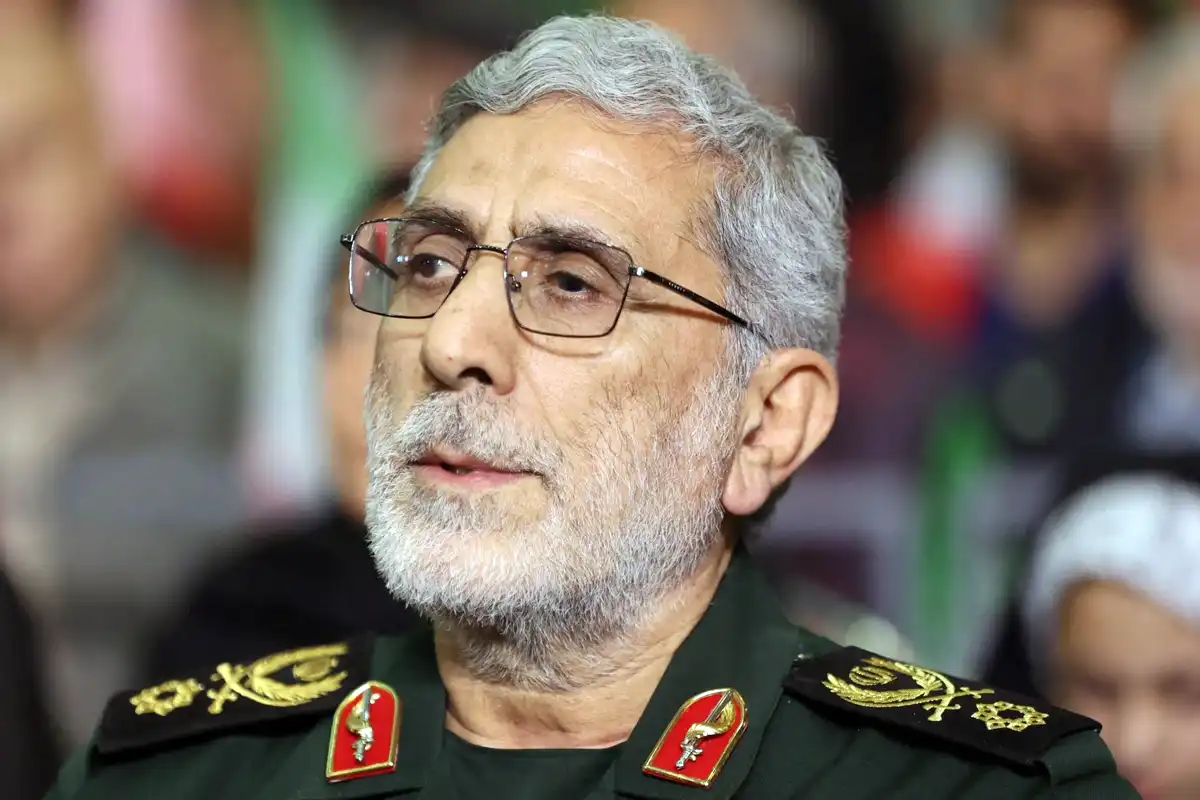
Iran’s most operationally significant military commander has delivered a calculated warning — and the timing, days before comprehensive agreement talks, is not coincidental.
Brigadier General Ismail Qaani, head of the IRGC Quds Force — the unit that coordinates Iran’s entire regional proxy network — stated publicly that the resistance front has grown stronger through confrontation, not weaker. His most striking claim: Hezbollah has exposed only a small fraction of its actual military capability during the Lebanon conflict.
The Statement Behind the Statement
Qaani did not issue a threat. He issued a capability assessment — which is more dangerous. Threats can be dismissed as rhetoric. Capability assessments, delivered by a commander with direct operational oversight of Hezbollah’s supply chains and strategic planning, carry institutional credibility that changes how military planners in Washington and Tel Aviv must respond.
The resistance network, he said, stretches from Iran outward across multiple regional fronts in a coordinated structure — not a loose collection of militant groups but an integrated operational architecture.
The Bab al-Mandab Card
The most geopolitically significant detail in Qaani’s remarks was his specific reference to the Bab al-Mandab Strait. This Red Sea chokepoint controls approximately 10 percent of global trade flow, including energy shipments to Europe and consumer goods to Asia. Its disruption would generate economic consequences far exceeding Hormuz pressure alone — affecting shipping insurance, commodity prices, and supply chains across three continents.
Qaani framed it as a capability available when circumstances require activation. That is not a threat. It is a menu.
Battlefield and Diplomacy as One Instrument
Qaani confirmed what analysts have long argued but rarely heard stated officially: Iran treats military resistance and diplomatic negotiation as coordinated tools, not alternatives. Following Israeli strikes on Lebanon, Tehran’s negotiating team deliberately hardened its position — using battlefield developments as direct leverage at the table.
This integrated approach explains why ceasefire frameworks keep stalling on Lebanon. Iran will not separate the fronts because its negotiating strength depends on keeping them connected.
Gaza and the Validation Argument
On Gaza, Qaani made an observation with long-term strategic implications: Palestinian resistance has maintained coherence despite overwhelming Israeli destructive capacity, and global recognition of that resilience is now measurable. This matters because it validates the resistance model as a viable strategic framework — making future adoption by other actors more likely, not less.
The June 22 Subtext
Comprehensive agreement talks arrive in days. Qaani’s public remarks function as Iran’s final pre-negotiation signal: the resistance network enters talks projecting demonstrated survivability, untapped Hezbollah reserves, and a Red Sea pressure card still in hand.
Washington is negotiating with a network that believes it has not yet reached its ceiling.
Catch all the World News, Breaking News Event and Trending News Updates on GTV News
Join Our Whatsapp Channel GTV Whatsapp Official Channel to get the Daily News Update & Follow us on Google News.
Must Read
Pakistan
Makkah Defence Pact Strategic Committee Meets in Riyadh Amid Regional Tensions
5-October،2026

Business
Global Oil Prices Rise After Houthi Militia Attacks on Saudi Energy Facilities
5-October،2026