
Pakistan’s Mediation Credited for US-Iran Ceasefire as Signing Ceremony Set for Geneva

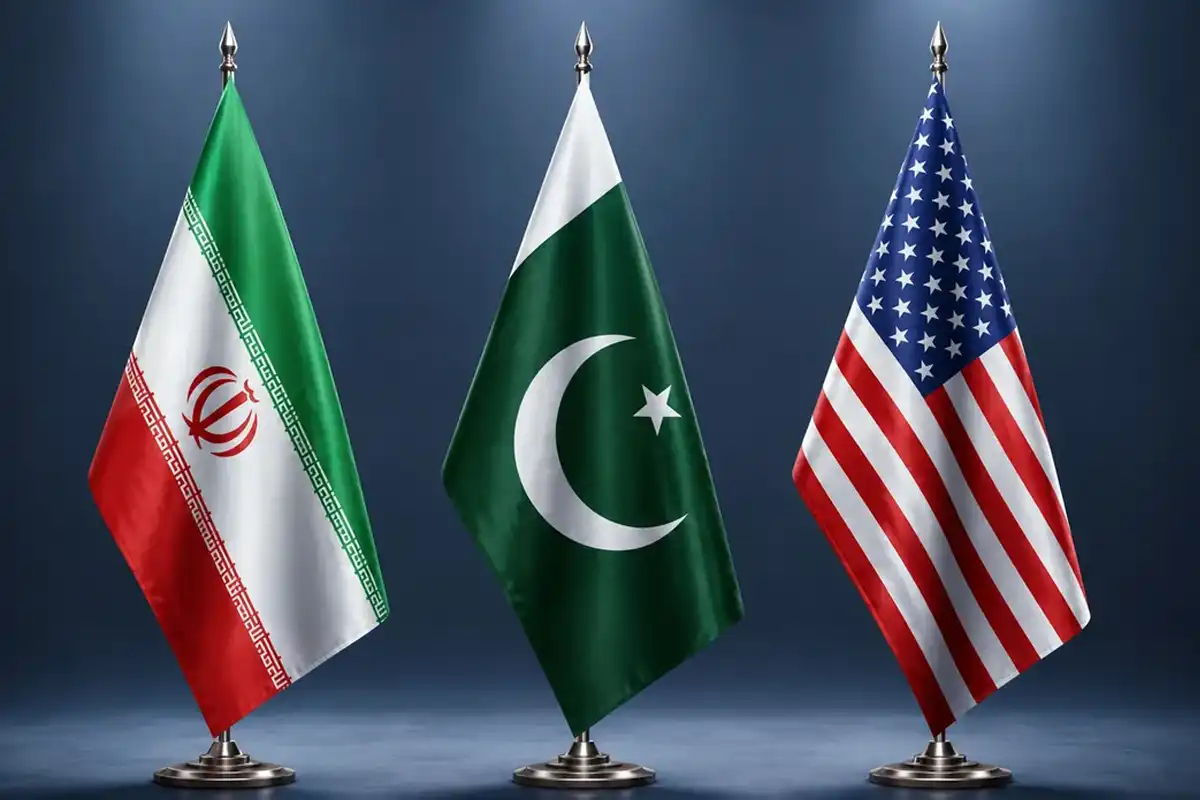
When Washington and Tehran needed a trusted intermediary, they turned to Islamabad — and Pakistan delivered.
Pakistan has secured what analysts are calling its most significant diplomatic achievement in decades, playing a central brokering role in the ceasefire between the United States and Iran. Prime Minister Shehbaz Sharif formally announced the immediate cessation of hostilities, while AFP confirmed that a signing ceremony is scheduled for June 19 in Switzerland.
Why Pakistan — and Why Now
The answer, according to experts, lies in a rare diplomatic asset: simultaneous credibility with both adversaries. Former Ambassador Asif Durrani put it plainly — a mediator’s value is determined entirely by the trust both sides place in them. Pakistan earned that trust through geography, history, and personal relationships that no other nation could replicate.
Pakistan shares a 900-kilometer border with Iran and deep cultural and religious ties stretching back centuries. Simultaneously, Islamabad has maintained a decades-long strategic partnership with Washington, surviving multiple ruptures and recalibrations. That dual footing made Pakistan uniquely positioned to carry messages, soften demands, and hold both parties at the table.
The Asim Munir Factor
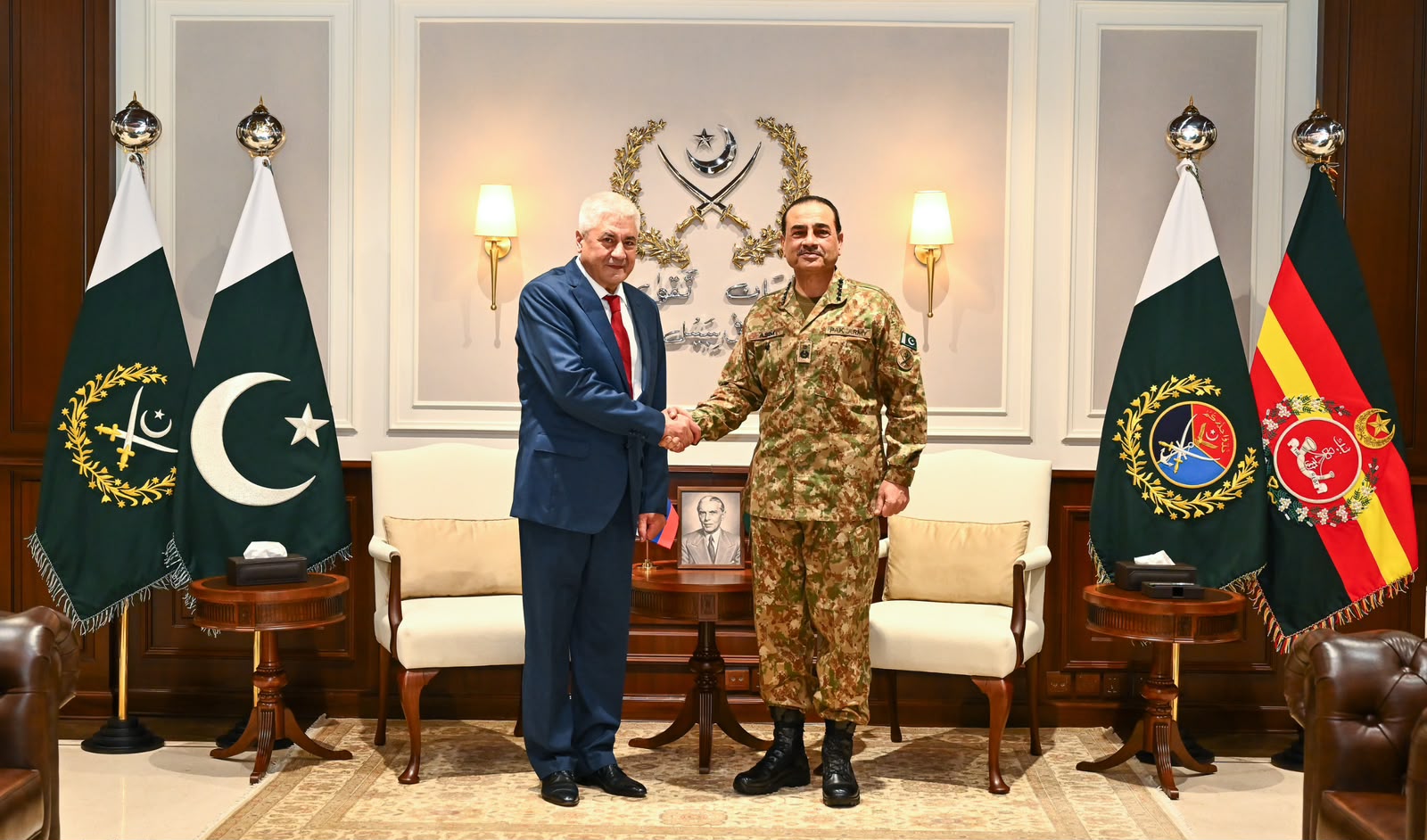
At the center of this diplomatic success stands Field Marshal Asim Munir, Pakistan’s army chief, whose personal relationships proved decisive. Munir reportedly maintains direct lines of communication with both Islamic Revolutionary Guard Corps commanders and the Trump administration — an extraordinary combination in today’s fractured geopolitical landscape.
President Trump has publicly referred to Munir as his favorite field marshal, a signal of personal rapport that carried real diplomatic weight in back-channel negotiations. This individual dimension of statecraft — relationships built over years rather than formal diplomatic protocols — gave Pakistan’s mediation an authenticity that institutional channels alone cannot provide.
Coalition Diplomacy Behind the Scenes
Pakistan did not act alone. The broader mediation effort involved coordinated diplomatic campaigns alongside Saudi Arabia, Qatar, and China — a coalition that addressed different pressure points simultaneously. Saudi Arabia provided Gulf-state legitimacy, Qatar contributed its established channel role, and China added economic leverage. Pakistan served as the connective thread.
Strategic Dividends for Islamabad
The implications for Pakistan extend well beyond prestige. Analyst Michael Kugelman notes that India’s sustained efforts to diplomatically isolate Pakistan have suffered a serious setback — Islamabad has just demonstrated irreplaceable regional utility on the world’s most watched crisis.
Domestically, averting a regional war protects Pakistan from inflationary shocks tied to energy price surges and supply chain disruption along its western border. Longer term, the Pakistan-Iran gas pipeline — stalled for years under US sanctions pressure — may now become viable, offering Pakistan a badly needed energy lifeline.
Foreign investment interest, already cautiously returning, could accelerate significantly if Pakistan’s new diplomatic profile holds.
The Bigger Picture
Pakistan has long struggled to convert its geographic centrality into lasting diplomatic capital. This intervention suggests that calculus may be shifting — and that Islamabad’s next chapter on the world stage could look markedly different from its last.
Catch all the Pakistan News, Breaking News Event and Trending News Updates on GTV News
Join Our Whatsapp Channel GTV Whatsapp Official Channel to get the Daily News Update & Follow us on Google News.
Must Read
Pakistan
GTV News MD Meets Acting Chinese Consul General in Karachi to Celebrate Pak-China Friendship
14-October،2026