
The Economics of Desperation: Why Trump is tying Middle East Peace to Wall Street

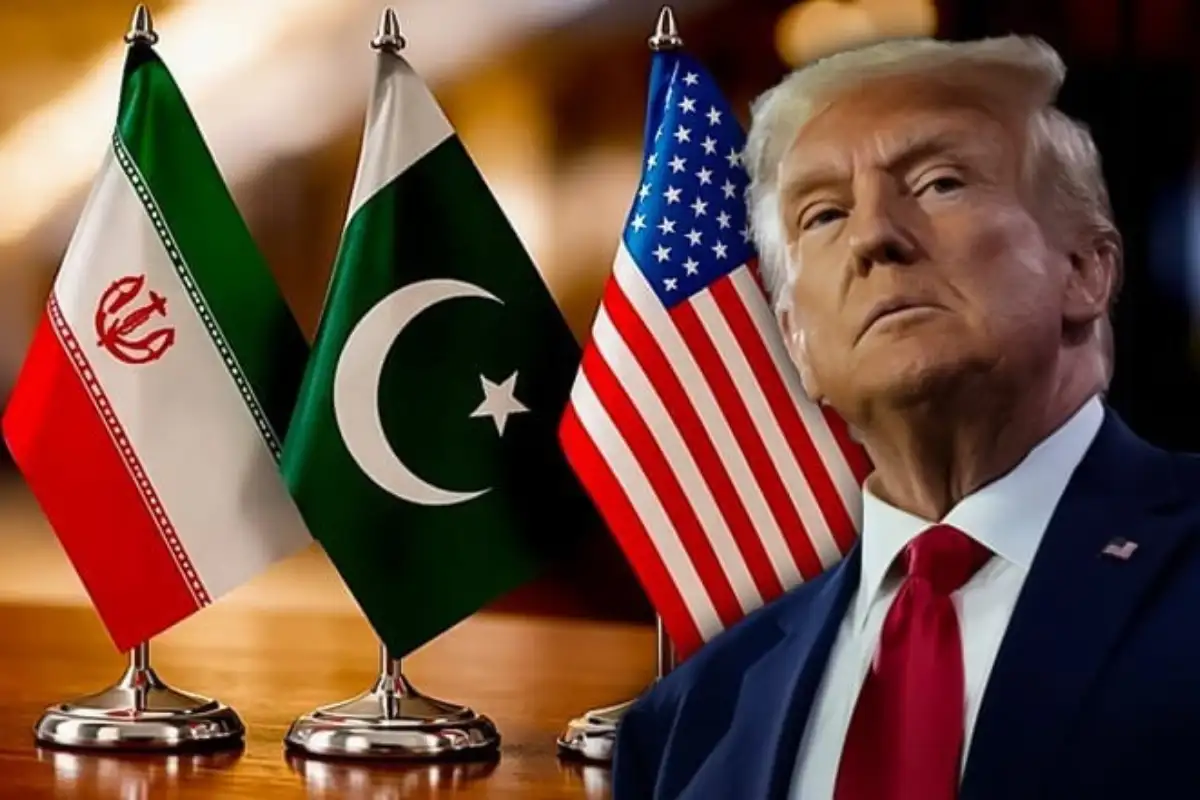
Trump Says Strait of Hormuz Will Be Fully Open by Friday
President Trump’s embrace of a Middle East peace strategy explicitly connected to stock market highs and plummeting oil prices reveals an administration betting its diplomatic credibility on economic metrics it cannot fully control. This framework—where geopolitical stability becomes secondary to domestic market performance—carries catastrophic risk if oil rebounds or equities stumble.
The arithmetic is straightforward on its surface: falling oil prices benefit American consumers and corporations, boosting equity valuations and voter sentiment. Trump invoked this causality directly, linking ongoing regional negotiations to energy market dynamics. But the underlying logic is precarious. Oil prices reflect complex global supply dynamics, OPEC coordination, demand signals from China and Europe, and geopolitical risk premiums that no Middle East agreement fully determines.
What Trump’s messaging obscures is how contingent this peace strategy actually is. If negotiations stall—as the previous VP postponement signals—oil markets won’t reward confidence indefinitely. Energy traders price in diplomatic risk daily. A collapse in talks would likely reverse recent price declines, contradicting Trump’s economic narrative and undermining his central selling point for the initiative.
Historical precedent warns against tethering diplomatic outcomes to market performance. The 1990s peace dividend promised by Cold War’s end created unrealistic expectations that derailed when geopolitics proved messier than spreadsheets. The 2016 oil price crash, driven by Saudi production decisions rather than geopolitics, temporarily boosted Trump’s credibility before market reversals exposed the fragility of commodity-linked foreign policy claims.
The defense sector complication rarely surfaces in Trump’s messaging. His praise for military “achievements” glosses over how sustained regional tension—even managed tension—benefits defense contractors with ongoing Middle East operations and modernization contracts. The incentive structure cuts against decisive peace: permanent stability reduces future defense budget justifications and arms sales. This creates silent resistance within military-industrial interests toward agreements that genuinely reduce long-term regional conflict.
Regional actors understand Trump’s economic framing and exploit it. Iran’s hardliners, emboldened by Rezaei’s rhetoric, know that market pressure on Trump increases as oil prices rise or stock markets correct. Saudi Arabia and UAE hedge their bets: supporting peace initiatives while maintaining military buildups in case negotiations fail. Israel quietly extends settlement expansion, betting that market-focused diplomacy won’t prioritize Palestinian issues aggressively enough to demand Israeli concessions.
Congressional Democrats, watching oil prices as carefully as Trump, face their own political dilemma. If prices fall further, Trump claims vindication. If they rise, he becomes vulnerable to opposition claims that the administration’s diplomatic incompetence destabilized markets. Schumer’s legislative obstruction suddenly looks like positioning for a market reversal that could delegitimize Trump’s entire framework.
The forward risk is crystalline: Trump has created a political dependency on commodity prices and equity valuations. If either reverses significantly before major agreements materialize, the entire diplomatic initiative collapses not on merit but on market sentiment. That’s an extraordinary vulnerability for any administration to willingly construct.
Catch all the World News, Breaking News Event and Trending News Updates on GTV News
Join Our Whatsapp Channel GTV Whatsapp Official Channel to get the Daily News Update & Follow us on Google News.
Must Read

World
Pope praises young people’s ‘energy and commitment’ at huge open-air Mass in Paris
27-September،2026