
US, Iran at odds on nuclear inspections and frozen assets in war-ending deal

US, Iran at odds on nuclear inspections and frozen assets in war-ending deal
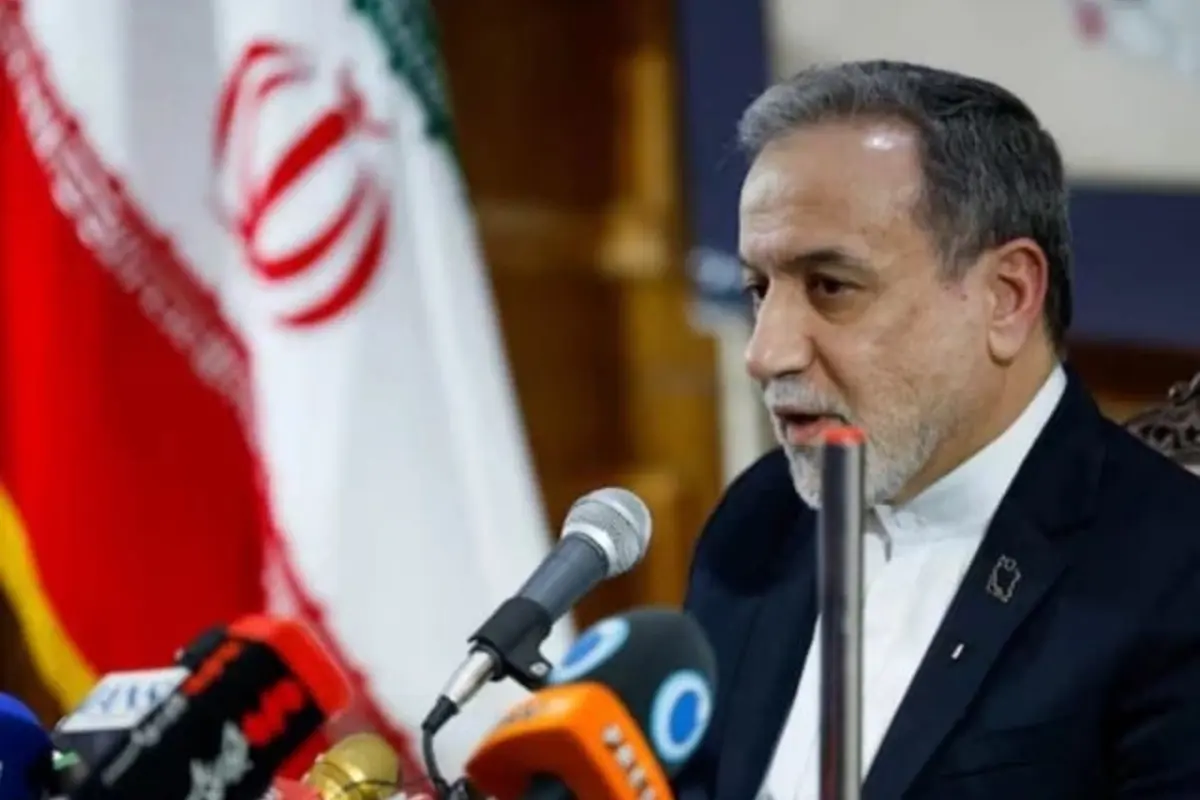
US President Donald Trump said on Tuesday that Iran had agreed to allow nuclear inspections into “infinity,” but Iran denied making such a commitment during recent talks, raising doubts about the future of the peace agreement between the two countries.
The United States and Iran held their first round of talks in Switzerland, which ended on Monday. However, both sides gave different versions of several important issues, including nuclear inspections, frozen Iranian assets, control of the Strait of Hormuz, and the conflict in Lebanon.
Despite these differences, Trump said relations with Iran were improving.
“We’re getting along quite well,” Trump told supporters during a rally in Pennsylvania.
As tensions eased, the United States relaxed travel restrictions on Iran’s World Cup football team. The team was allowed to travel from Mexico to Seattle two days before its next match instead of only one day before.
A Reuters/Ipsos poll showed that 35% of Americans believe the United States is now in a weaker position with Iran than before the war, while 23% think the country is in a stronger position.
Meanwhile, the Republican-controlled Senate voted in favor of ending the war, despite opposition from Trump. The largely symbolic vote highlighted divisions within his party.
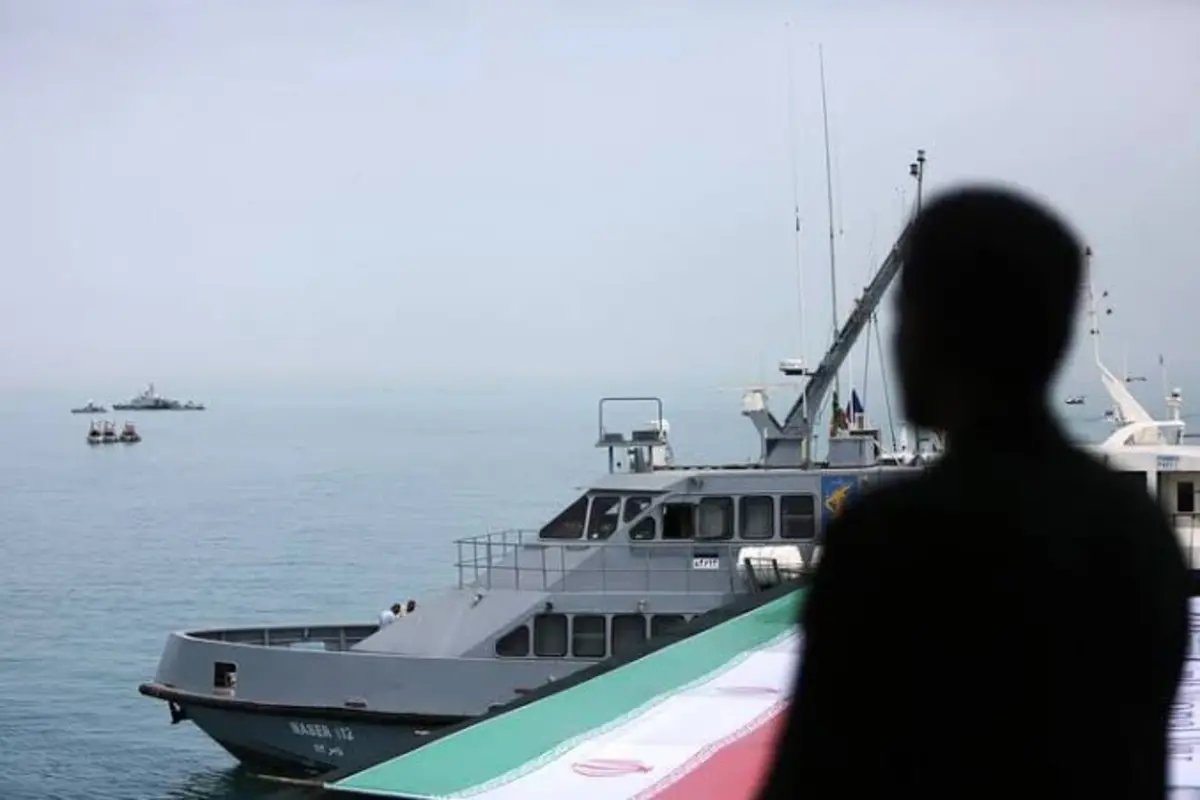
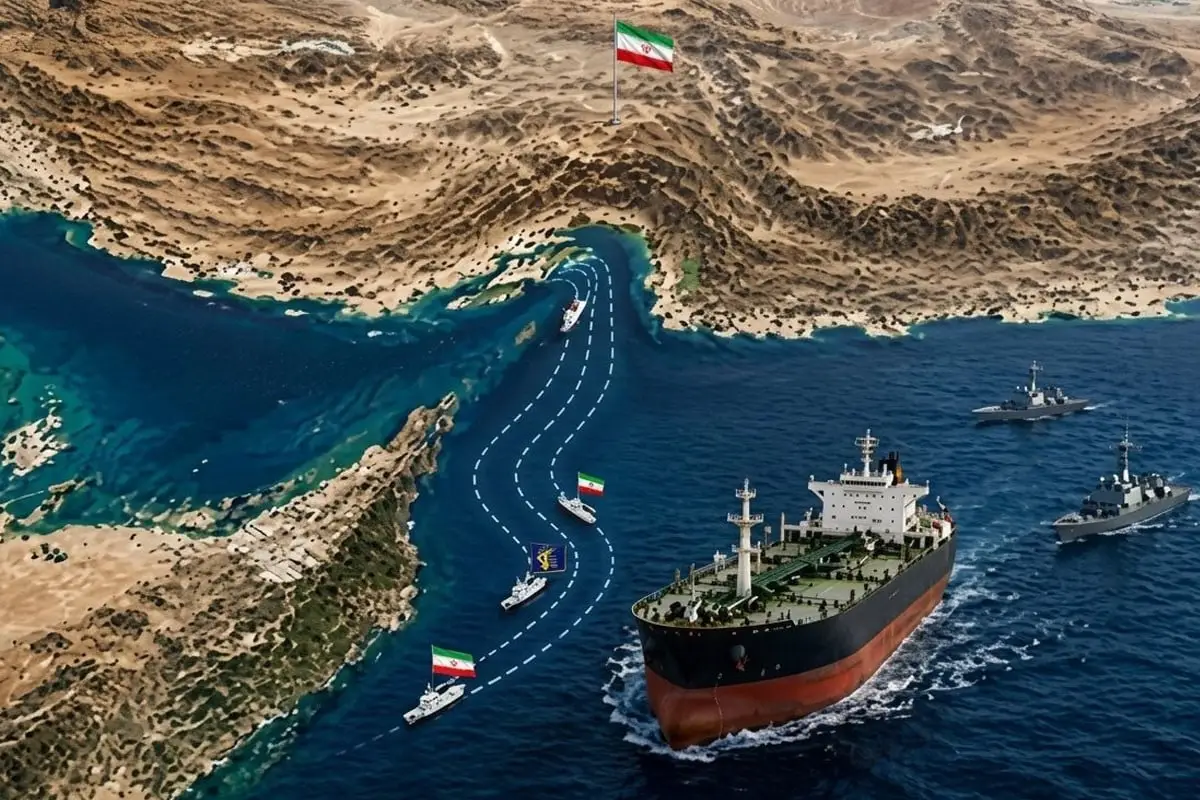
The early agreement has helped restore shipping through the Strait of Hormuz, which carries about one-fifth of the world’s energy supplies. Oil prices have fallen to their lowest levels since before the war began in February.
The United Nations shipping agency said it is working to help around 11,000 seafarers stranded in the Gulf after Iran closed the important waterway.
Under the agreement, Iran will allow ships to pass freely through the strait for 60 days. However, Iran has said it may introduce tolls or fees after that period.
Iran and Oman issued a joint statement on Tuesday, saying both countries would work together to manage shipping traffic and related costs in the Strait of Hormuz.
US Secretary of State Marco Rubio said Iran would not be allowed to charge ships for passing through the strait under any final agreement.
The deal also includes an end to fighting, the lifting of US sanctions on Iran, and the release of frozen Iranian assets. It also proposes a $300 billion reconstruction fund for Iran.
Trump said Iran had agreed to allow international inspectors long-term access to its nuclear facilities.
“Iran has fully and completely agreed to highest level Nuclear inspections long into the future (Infinity!!!),” Trump wrote on social media.
However, Iran rejected the claim and said its nuclear program was not discussed during the talks. Tehran also said it had not agreed to allow International Atomic Energy Agency inspectors to return.
The two countries also disagreed over the use of Iran’s frozen funds. Trump said the money would be used to buy food and medical supplies from the United States, while Iran’s ambassador to the United Nations in Geneva, Ali Bahreini, said Iran would decide how to spend the money.
The United States has already granted Iran a 60-day sanctions waiver, allowing Tehran to sell oil and receive payments.
Another issue is the conflict in Lebanon. Iran says the agreement requires Israel to withdraw its forces from Lebanon, but Israel says it will keep a security zone in southern Lebanon and continue operations against threats.
Although talks between Israel and Lebanon resumed in Washington, violence continued. Lebanese officials said Israeli gunfire killed two people in southern Lebanon on Tuesday, while Hezbollah accused Israel of violating the ceasefire that has largely held since Sunday.
Catch all the World News, Breaking News Event and Trending News Updates on GTV News
Join Our Whatsapp Channel GTV Whatsapp Official Channel to get the Daily News Update & Follow us on Google News.
Must Read