
President Zardari Signs Finance Bill 2026-27 — Pakistan Rs18.77 Trillion Budget Effective July 1

President Zardari Signs Finance Bill 2026-27 — Pakistan Rs18.77 Trillion Budget Effective July 1
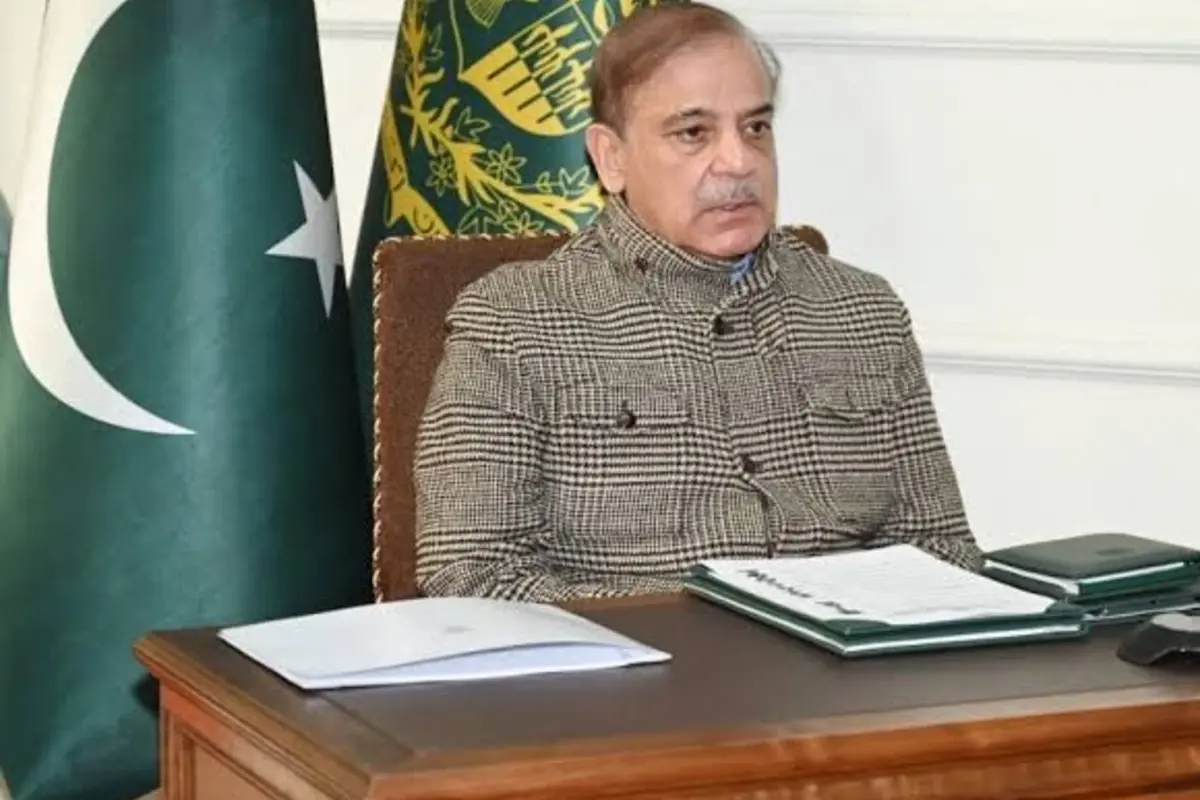
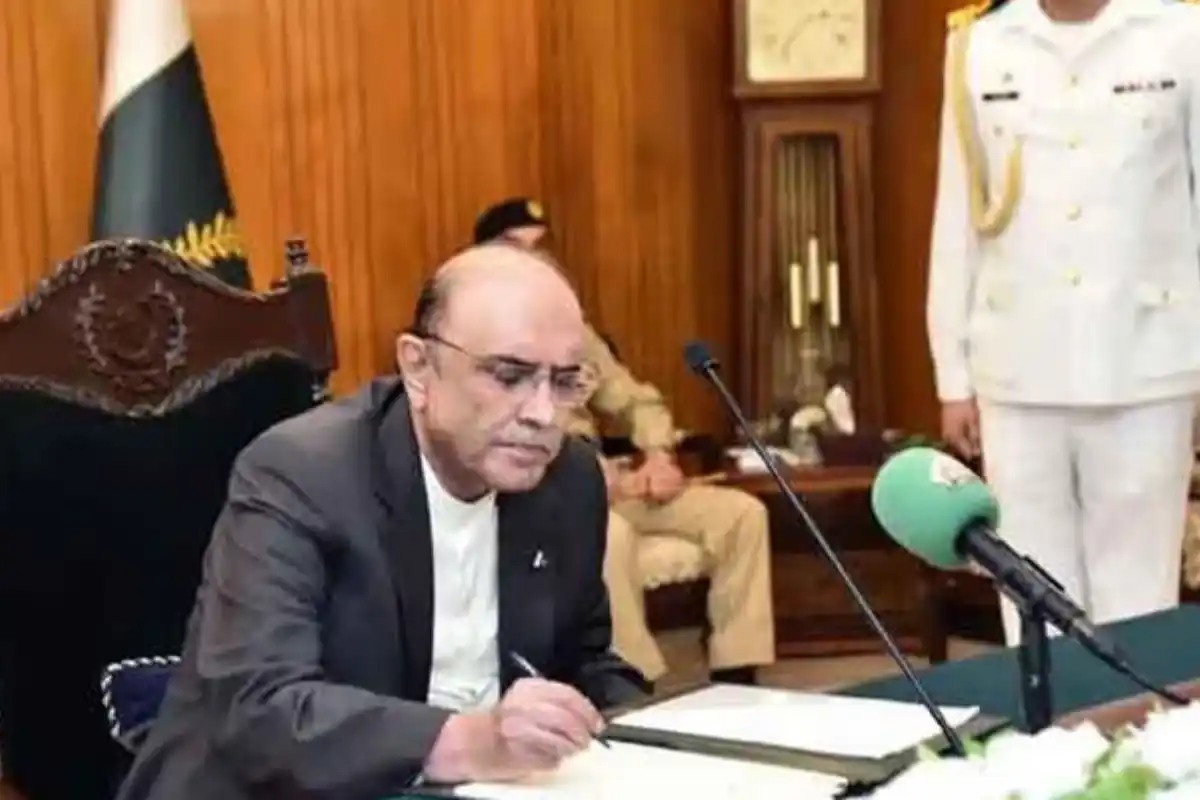
President Asif Ali Zardari formally approved the Finance Bill 2026-27 on Thursday, clearing the final constitutional hurdle for Pakistan’s federal budget for fiscal year 2026-27 to come into full legal effect from 1 July 2026.
Following the presidential signature, sources confirmed that the signed Finance Bill will now be forwarded to the Printing Corporation for official publication in the government gazette — a mandatory procedural step before the legislation formally becomes law. The federal budget, carrying a total outlay exceeding Rs18 trillion, will come into force from 1 July 2026, with all associated fiscal measures, tax changes, and duty revisions taking effect from the same date.
Among the most significant measures included in the Finance Bill is a seven percent increase in the salaries and pensions of government employees — a decision expected to provide direct financial relief to hundreds of thousands of civil servants and retired officials across the country. Changes to taxes and duties will likewise be implemented from 1 July as the government moves to execute its fiscal strategy for the new financial year.
The National Assembly Secretariat had forwarded the Finance Bill to the Presidency for approval a day earlier, following its passage in the lower house of parliament. President Asif Ali Zardari’s formal approval now paves the way for the government to begin implementing the development and fiscal programmes contained within the budget, with a focus on achieving the economic and development targets set for fiscal year 2026-27.
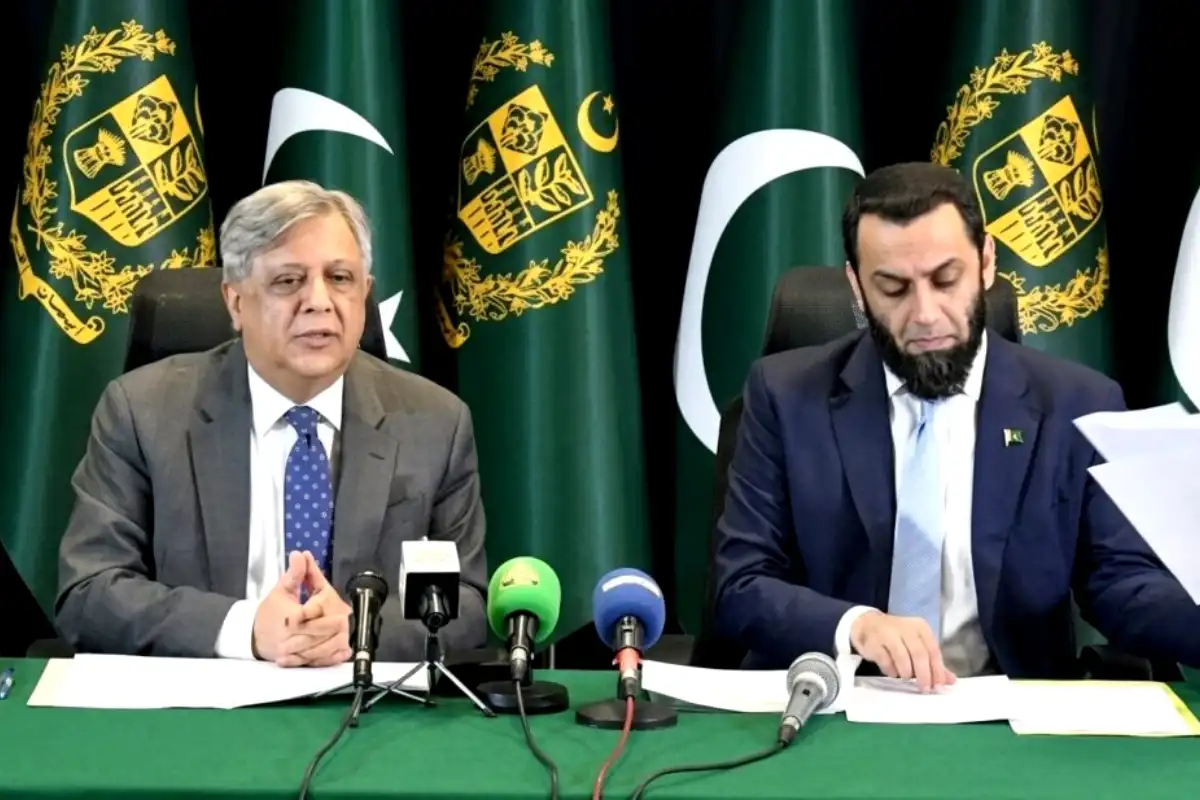
The federal budget for fiscal year 2026-27, with a total outlay of Rs18.771 trillion, was approved by the National Assembly on Tuesday following the completion of a thorough clause-by-clause review of the Finance Bill. Finance Minister Muhammad Aurangzeb presented the Finance Bill for the House’s consideration, after which a motion to review the bill was approved before the detailed examination of each clause commenced.
The budget passed in the National Assembly in the notable absence of members of the Pakistan Tehreek-e-Insaf (PTI), who were not present in the House at the time of the final vote — a development that drew significant political attention and commentary.
During the parliamentary proceedings, lawmakers engaged in extensive debate over proposed amendments to the Finance Bill. However, all opposition-sponsored amendments were rejected by the ruling majority, while government-backed amendments received approval. Among the rejected proposals was an opposition amendment that sought to reduce the tax on vehicles up to 1,000cc from Rs20,000 to Rs10,000 — a measure that had been presented as relief for lower-income vehicle owners. Amendments proposed by Jamiat Ulema-e-Islam member Alia Kamran, including changes to Clauses 4 and 6 of the Finance Bill, were also rejected by majority vote during the session.
With the Finance Act 2026-27 now formally in place, the federal government will move swiftly to roll out the development agenda and fiscal programmes outlined in the budget, aiming to meet growth, revenue, and social welfare targets for the new financial year beginning 1 July 2026.
Catch all the Pakistan News, Breaking News Event and Trending News Updates on GTV News
Join Our Whatsapp Channel GTV Whatsapp Official Channel to get the Daily News Update & Follow us on Google News.
Must Read

Pakistan
Funeral Prayers Held for Major Hasnain Shahzad Humayun and Captain Abdul Samad
13-October،2026