
‘Martyred Leader’s funeral to serve as global movement against terrorism, US-Zionist crimes’

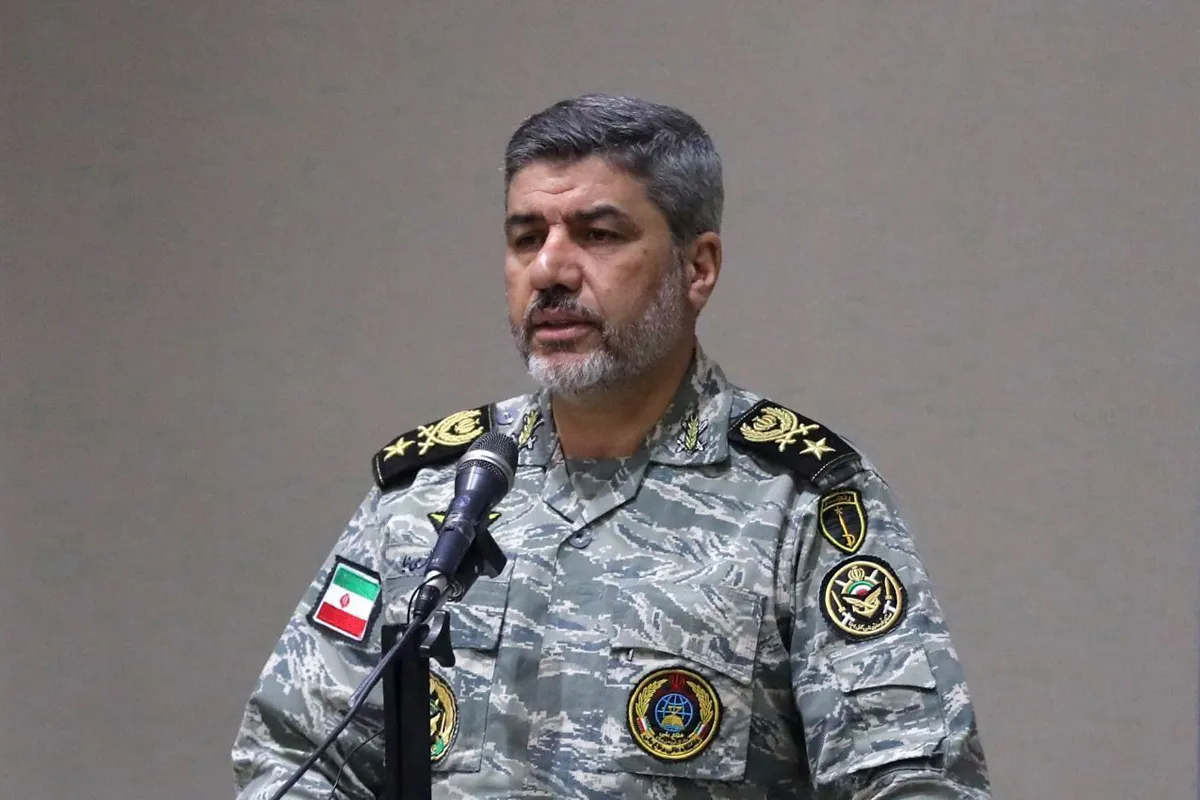
Iran’s Army has mobilized across all service branches to oversee the logistics of Ayatollah Ali Khamenei’s funeral, scheduled for July 9 in Mashhad, while positioning the multi-day ceremony as a “global movement” against what military officials characterize as terrorism and Western-Israeli regional crimes.
Brigadier General Mohammad Akrami-Nia announced extensive security deployments, accommodation infrastructure, and medical services designed to manage what Tehran expects to be one of the largest funeral processions in modern Iranian history.
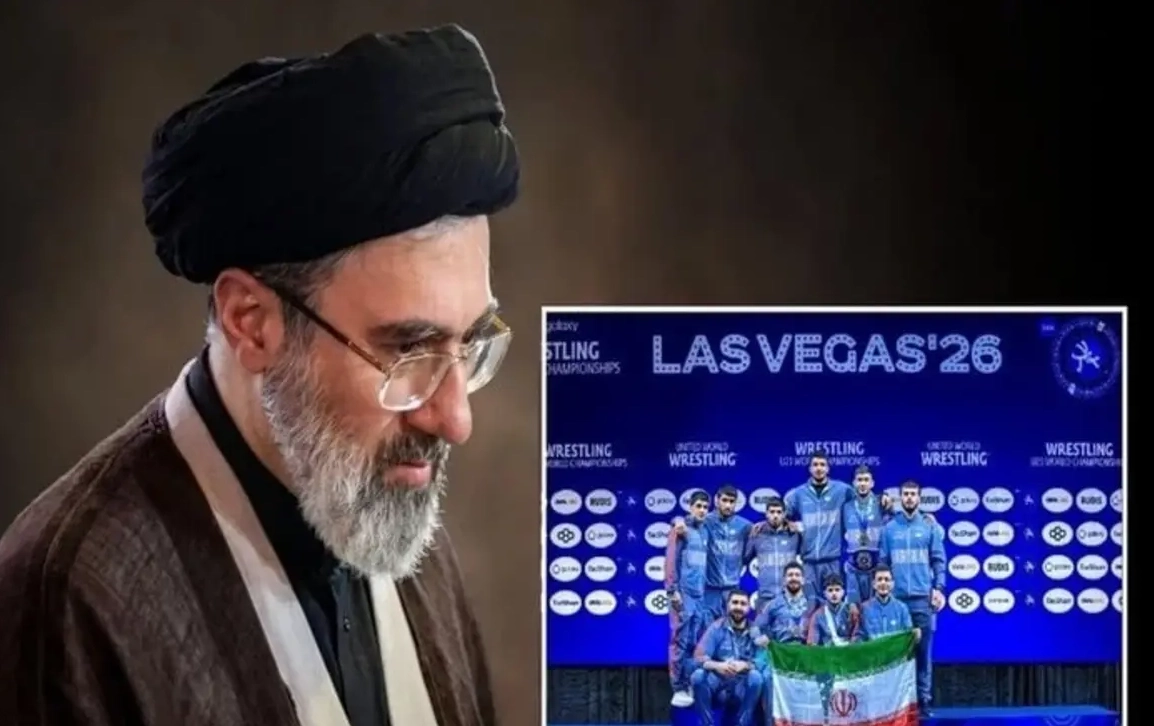
The funeral timeline spans multiple cities over six days. Public farewell ceremonies begin July 4-5 at Tehran’s Imam Khomeini Grand Mosalla, followed by processions through Tehran (July 6) and Qom (July 7), culminating in burial at the Imam Reza Shrine in Mashhad on July 9. This extended ceremonial period serves multiple functions: allowing public mourning participation, enabling international representation, and providing Iran’s new leadership under Mojtaba Khamenei time to consolidate succession legitimacy.
Military preparations reveal both logistical magnitude and security concerns. The Army has established four accommodation centers around Tehran with lodging, catering, and medical facilities. Aviation units have been tasked with transporting Khamenei’s body across multiple cities, including unspecified holy sites in Iraq—a diplomatic gesture toward neighboring Shia-majority populations and regional allies. Ground Force units have reinforced border security while Air Defense maintains airspace surveillance, indicating concern about potential external military action during the vulnerable succession period.
The political framing matters considerably. Iranian military officials deliberately characterized the funeral as transcending national ceremony into international protest against what they termed “American-Zionist” policies and regional terrorism. This positioning transforms a succession event into ideological statement—signaling that Iran’s new leadership maintains revolutionary commitment to confronting Western and Israeli interests. Such rhetoric serves domestic political purposes, reassuring base constituencies that succession transitions do not signal policy moderation.
Medical preparations underscore expected crowd volumes. Army helicopter units will position rescue teams along major routes while field hospitals deploy personnel at key gathering points. These arrangements suggest Iranian planners anticipate participation comparable to Ayatollah Ruhollah Khomeini’s 1989 funeral, which drew estimates of one to two million mourners. Managing such concentrations requires sophisticated coordination involving traffic control, emergency medical response, and crowd safety—tasks demanding military apparatus deployment.
The timing of border security enhancements signals Iran’s assessment of threat environment. By July, the broader US-Iran conflict referenced in earlier reporting has theoretically stabilized through negotiated ceasefire frameworks. Yet Iran’s military maintains elevated alertness, suggesting either unresolved confidence in ceasefire durability or concern about splinter groups exploiting succession vulnerability. The announcement of sustained Air Defense surveillance and Navy operational alert indicates military preparation for possible contingencies despite diplomatic progress.
International attendance figures remain undetermined. Pakistan’s announced participation carries significance given its mediating role in ceasefire negotiations. Other regional powers, international organizations, and allied nations will calibrate their representation based on succession stability assessments. Lower-than-expected foreign attendance could signal international skepticism about Mojtaba Khamenei’s legitimacy or regime stability.
The funeral’s political dimensions extend beyond mourning ritual. Iranian leadership will use the ceremony to demonstrate domestic cohesion, project regional strength, and reinforce revolutionary ideological continuity. Military personnel’s prominent public role—providing security, logistics, and ceremonial presence—visibly associates the armed forces with succession legitimacy.
The scale of military mobilization indicates Iran views this succession moment as strategically critical. Extensive preparations, security protocols, and international reception planning reflect assessment that how Iran manages this transition significantly impacts regional dynamics and international confidence in Tehran’s stability.
Catch all the World News, Breaking News Event and Trending News Updates on GTV News
Join Our Whatsapp Channel GTV Whatsapp Official Channel to get the Daily News Update & Follow us on Google News.
Must Read