
Misuse of Government Vehicles Exposed at Karachi’s Dow University

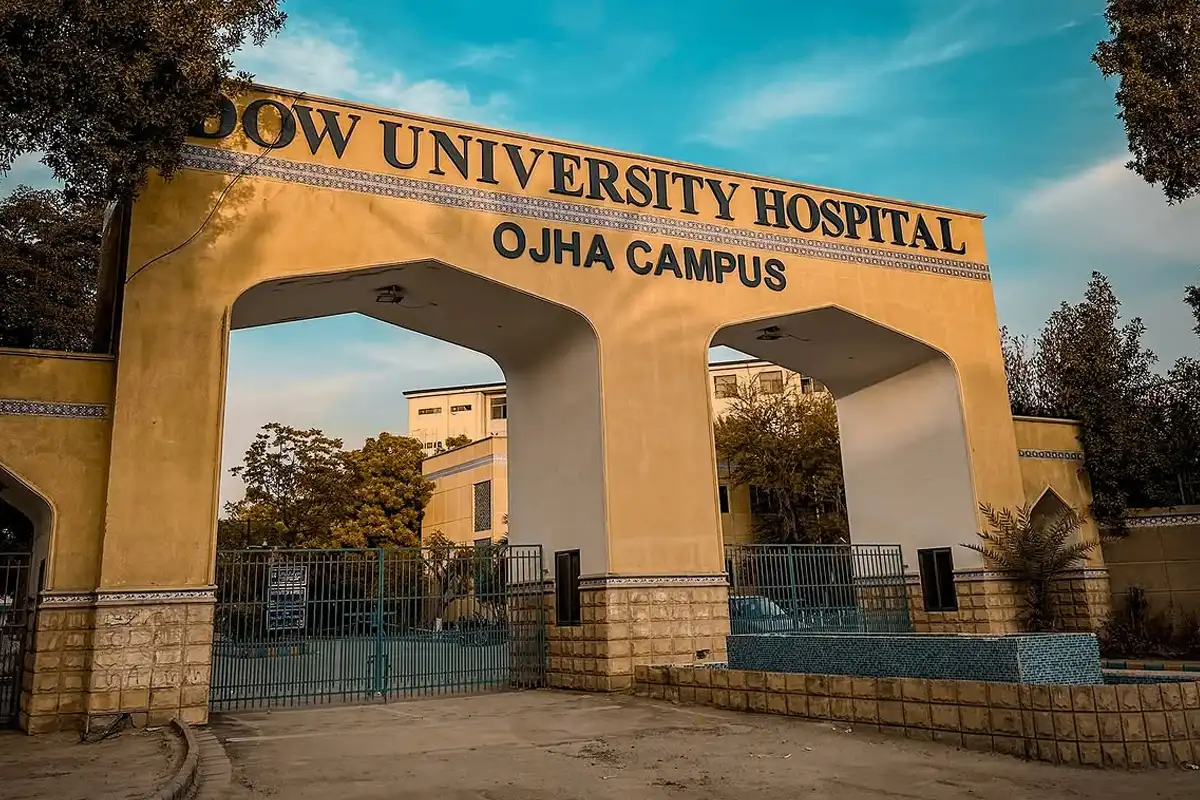
Dow University’s administration has launched formal action against two employees following an investigation into systematic misuse of institutional vehicles spanning several years. The crackdown reveals how institutional resource oversight mechanisms failed to detect unauthorized vehicle allocation and fuel consumption that generated substantial financial losses for the university.
The investigation identified two distinct violations. An Assistant Administrative Officer from the Motor and Transport Department maintained unauthorized personal possession of a government vehicle while systematically extracting institutional fuel resources—approximately 300 liters monthly over several years. A second Grade 16 employee similarly retained a government vehicle for personal use without authorization, a practice that continued uninterrupted across multiple administrative cycles.
The financial implications are significant. If calculations account for current fuel prices and the timeline described, institutional losses from unauthorized fuel consumption alone exceed several hundred thousand rupees. Vehicle depreciation from unauthorized personal use compounds these costs, along with maintenance expenses for vehicles diverted from their intended institutional purposes.
The violations underscore a broader institutional weakness: the gap between formal asset management protocols and actual enforcement. Government universities operate under established vehicle allocation procedures designating specific vehicles for official duties only. Yet these policies prove ineffective without regular audits, odometer tracking, fuel consumption monitoring, and administrative accountability for discrepancies.
What distinguishes this case is how the violations remained undetected until a senior administrator—Additional Director Transport Faraz Husain—filed formal written complaint to the Registrar. This suggests that routine institutional oversight mechanisms either malfunctioned entirely or lacked enforcement authority. Vehicle misuse spanning years typically indicates either deliberate neglect or passive acceptance of violations by supervisory personnel.
The Syndicate’s decision to issue final show-cause notices represents appropriate escalation but raises questions about earlier intervention opportunities. Standard institutional procedure would involve investigation, confirmation of facts, and notice issuance within weeks of complaint filing. Delays between violation discovery and formal action reduce organizational deterrent effect.
The case reflects patterns visible across Pakistan’s higher education institutions. Government universities frequently struggle with asset management discipline, particularly regarding vehicles and fuel allocations. Pressure to minimize expenditures conflicts with responsibility to prevent unauthorized consumption, creating vulnerability to misuse by employees aware that oversight mechanisms operate inconsistently.
Institutional culture matters considerably. When senior staff witness vehicle misuse without consequence, normalization occurs—junior employees interpret inaction as tacit permission rather than enforcement failure. Conversely, transparent accountability processes, published investigation outcomes, and consistent disciplinary action establish institutional norms that deter future violations.
The investigation’s effectiveness depends on follow-through. Show-cause notices require employees to provide explanations, but Dow’s administration must demonstrate willingness to impose meaningful consequences if explanations prove inadequate. Public reporting of disciplinary outcomes—whether dismissal, suspension, or financial recovery—signals institutional commitment to accountability.
This case offers opportunity for institutional reformation. Universities could implement monthly vehicle audits, GPS tracking systems, fuel consumption baselines, and automated alerts when consumption patterns deviate from expected norms. Cost-benefit analysis likely demonstrates that such technologies pay for themselves through misuse prevention within single fiscal years.
Dow University’s action signals belated but necessary institutional accountability for resource management failures—a foundation for rebuilding trust in university financial stewardship.
Catch all the Education News, Breaking News Event and Trending News Updates on GTV News
Join Our Whatsapp Channel GTV Whatsapp Official Channel to get the Daily News Update & Follow us on Google News.
Must Read
Pakistan
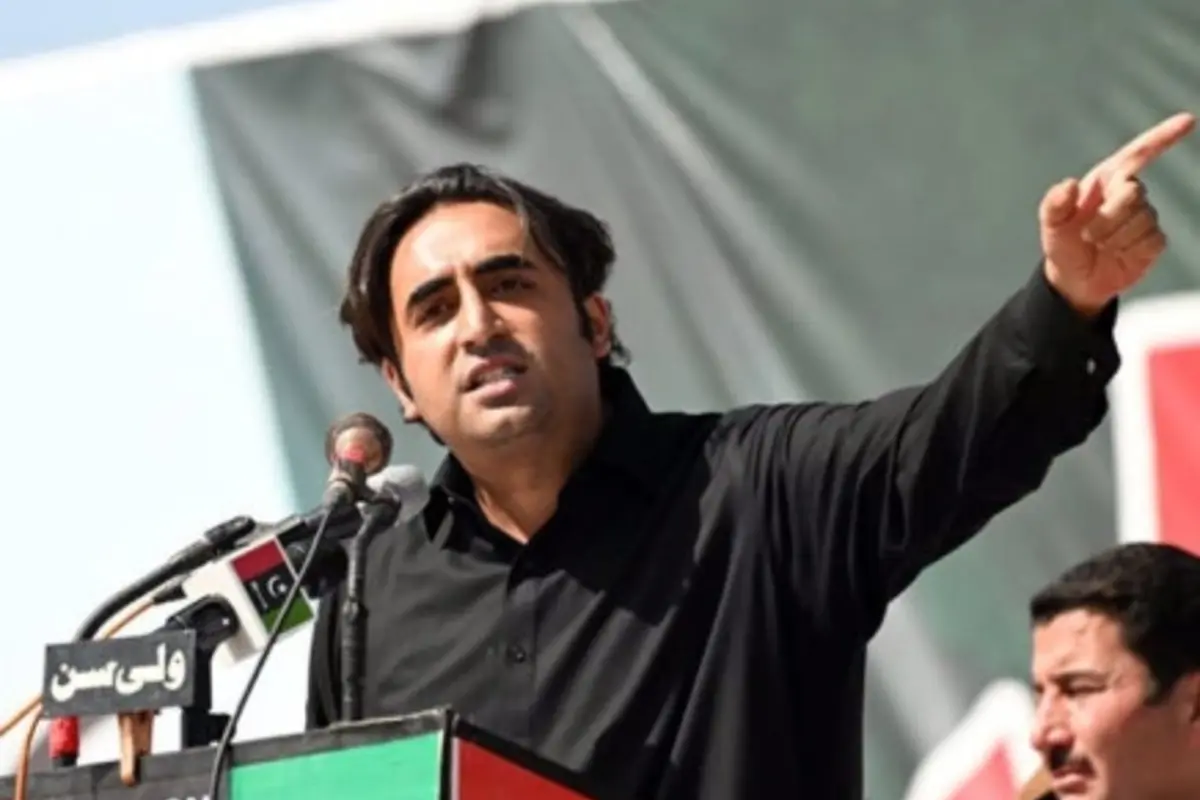
Bilawal Bhutto Pays Tribute to Karsaz Martyrs, Calls for Unity Against Terrorism
18-October،2026