
Iran Tensions Push US Oil Reserves to 45-Year Low, Raising Energy Security Concerns

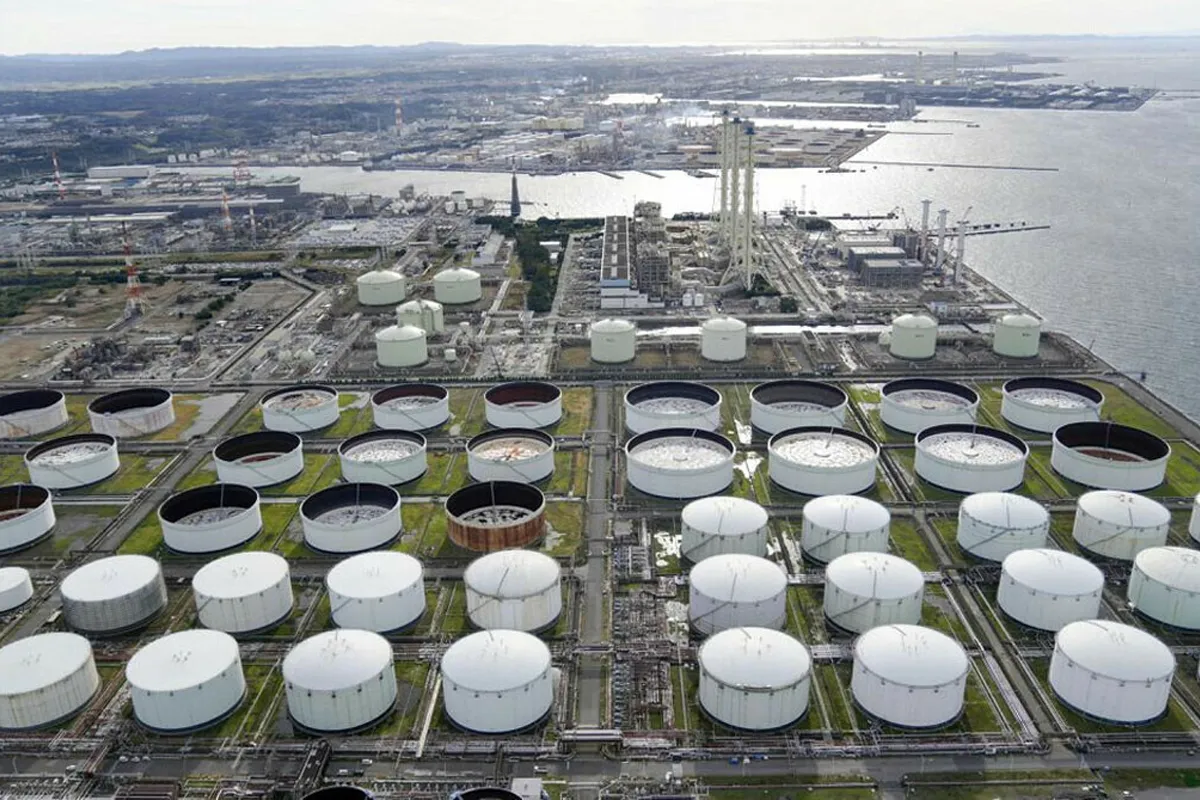
US crude oil reserves have shrunk rapidly to their lowest level in 45 years since tensions with Iran began escalating, according to a Bank of America chart showing the country now holds just 43 days of oil supply — the lowest figure since July 1983, and a development being read as a significant signal for American energy security.
Fresh data from the US Energy Information Administration confirms sustained pressure on both commercial and strategic reserves. Commercial crude oil stockpiles stood at approximately 409.7 million barrels as of July 10, roughly 6% below the five-year average — a gap that reflects sustained drawdown rather than a temporary blip, given how consistently reserves have moved below historical norms throughout the conflict.
The Strategic Petroleum Reserve has fallen further still, dropping to 316.5 million barrels by July 18, the lowest level since April 1983. Combined, total US reserves now sit at approximately 730.8 million barrels, among the lowest four-decade readings on record.
The timing directly tracks the escalating US-Iran conflict, which has included strikes on Iranian infrastructure, Iranian claims of tanker attacks and blockade actions in the Strait of Hormuz, and now a separate blockade threat from Yemen’s Ansar Allah against Saudi Arabia through Bab el-Mandeb. With both of the region’s major oil shipping chokepoints under active disruption or threat, the pressure on US reserves likely reflects both direct wartime consumption needs and precautionary drawdowns aimed at cushioning domestic markets against supply disruptions from the Gulf.
The Strategic Petroleum Reserve’s decline carries particular significance given its original purpose: built after the 1970s oil shocks specifically to buffer the US economy against exactly this kind of geopolitical supply disruption. A reserve already at 1983-era lows going into an active Gulf conflict leaves considerably less cushion than previous administrations have had available during past Middle East crises, including the 1990-91 Gulf War and the 2011 Libya disruption.
For American consumers, tightening reserves alongside continued regional instability typically translates into upward pressure on domestic fuel prices, particularly if Hormuz or Bab el-Mandeb disruptions meaningfully reduce global crude supply reaching international markets. Whether the reserve continues declining will likely depend on how the conflict evolves in the coming weeks, and whether the Trump administration opts to further draw down the SPR to manage price pressures or begins prioritizing replenishment once conditions allow — a decision that carries its own political and strategic tradeoffs given how depleted the reserve already is.
Catch all the World News, Breaking News Event and Trending News Updates on GTV News
Join Our Whatsapp Channel GTV Whatsapp Official Channel to get the Daily News Update & Follow us on Google News.
Must Read
Pakistan
Harmain al-Sharifain is our Red Line, Pakistan Stands With Saudi Arabia: PM Shehbaz at UNGA
26-September،2026

Pakistan
Pakistan, Benin Sign MoU to Institutionalise Bilateral Political Consultations
25-September،2026