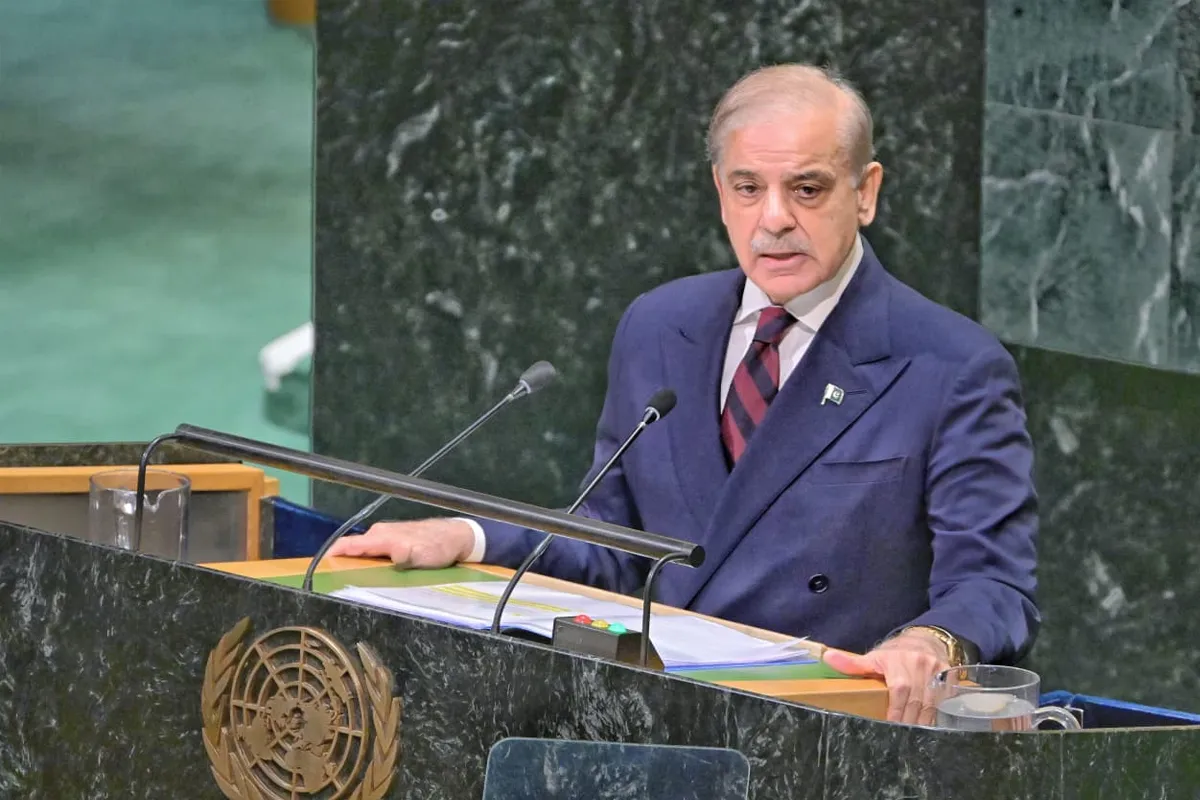
Muttahida Madaris Council Clarifies Position After Fazlur Rehman’s Remarks on Army and Martyrs

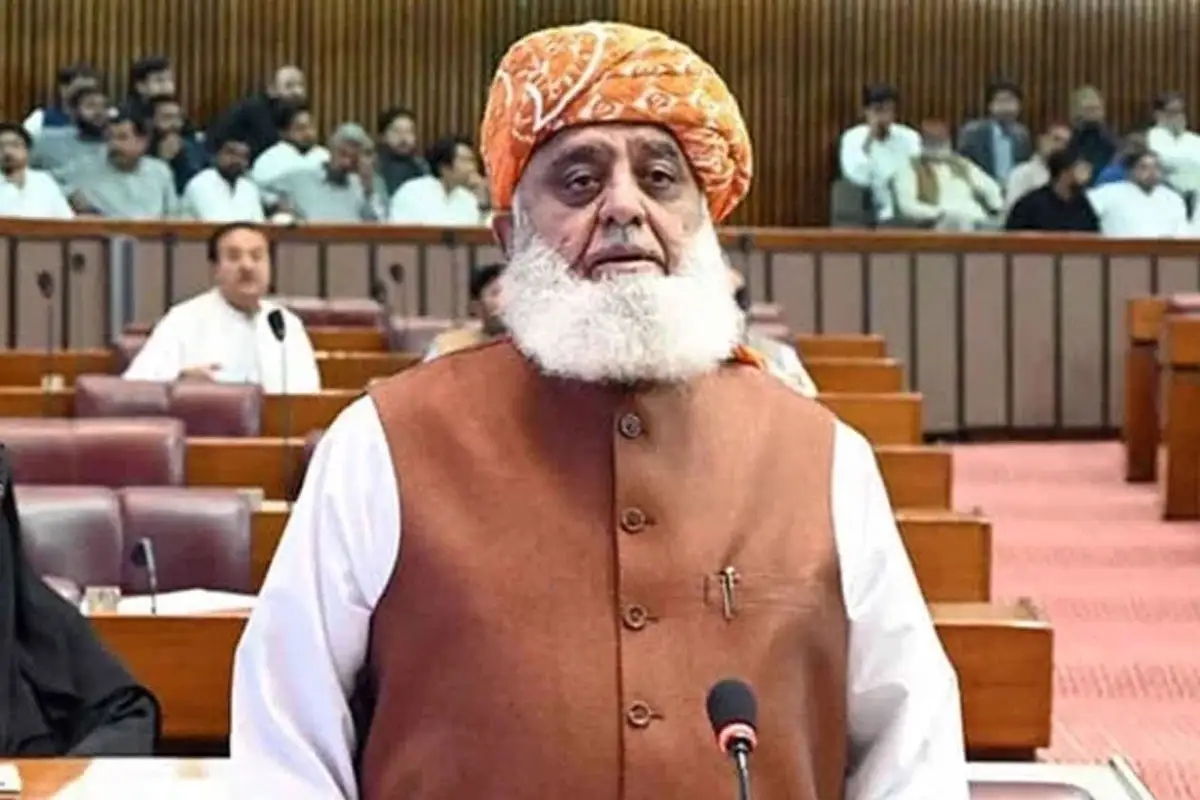
Fazlur Rehman announces nationwide protests in support of Armed Forces
The Muttahida Madaris Council Pakistan has publicly distanced itself from recent remarks by JUI-F chief Maulana Fazlur Rehman regarding the Pakistan Army and its fallen soldiers, saying his statements reflect his party’s personal and political position rather than that of the country’s religious seminary network.
Council spokesperson Dr. Mir Muhammad Asif Akbar Qadri said the Deeni Wifaq, madaris, and the Muttahida Madaris Council do not represent or endorse Fazlur Rehman’s statement, explicitly separating the seminary establishment from the political stance of a party whose leadership has historically drawn heavily from religious scholarly circles. The council affirmed that Pakistan Army martyrs and veterans remain national heroes and a source of pride for the country, calling any negative narrative against their sacrifices unacceptable.
The statement pushes back specifically against any suggestion that religious seminaries, mosques, scholars, or students are connected to anti-state activity or campaigns against national institutions, with the council calling it factually inaccurate and unjust to invoke madaris, mosques, and religious scholars in political campaigns. That framing suggests the council views recent political rhetoric — potentially including debates sparked by Fazlur Rehman’s own remarks — as risking an unfair association between religious institutions broadly and specific political positions taken by individual leaders or parties.
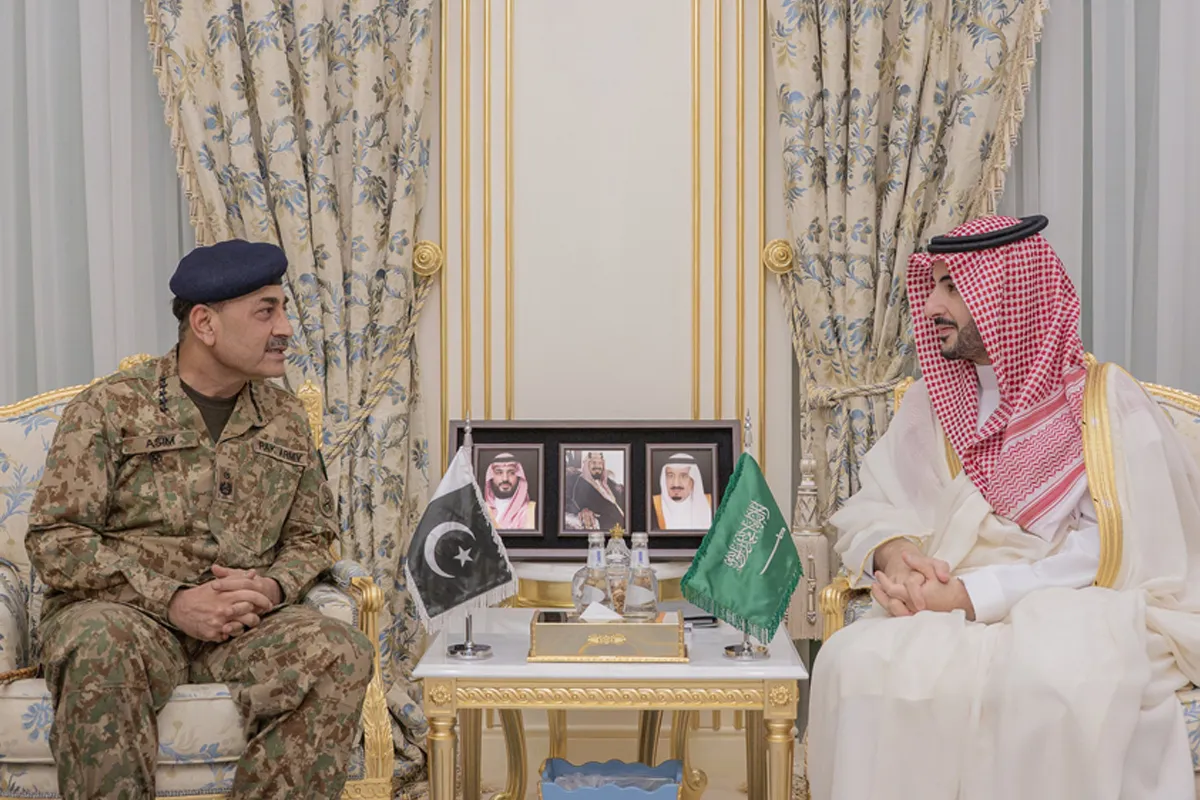
Qadri described Pakistan’s religious seminaries as having historically served as centers protecting the country’s ideological, intellectual, and geographical frontiers — language positioning the madaris system as institutionally aligned with the state’s security and ideological framework rather than adjacent to or critical of it. The council reiterated that all religious federations, educational boards, and seminaries hold the Pakistan Army, security institutions, martyrs, and veterans in high regard and respect, explicitly stating they do not support any campaign or statement against the army or its fallen and wounded personnel.
The council’s statement doesn’t detail the specific remarks by Fazlur Rehman that prompted this response, though it arrives amid his recent high-profile role mediating the Awami Action Committee protest in Rawalakot, where he has been active in balancing government, opposition, and local stakeholder interests around a sensitive AJK dispute — a role that has kept him in frequent public commentary in recent weeks.
The clarification reflects a broader pattern in Pakistani religious and political discourse, where statements by prominent religious-political figures are sometimes read as representing the wider ulema community, prompting institutional bodies like the Muttahida Madaris Council to issue formal disclaimers distinguishing individual political positions from institutional consensus. Whether this distancing affects Fazlur Rehman’s standing within religious circles, or simply clarifies an institutional boundary without broader political consequence, will likely depend on how the underlying dispute over his original remarks continues to unfold.
Catch all the Pakistan News, Breaking News Event and Trending News Updates on GTV News
Join Our Whatsapp Channel GTV Whatsapp Official Channel to get the Daily News Update & Follow us on Google News.
Must Read
Pakistan
First Jhang Desert Rally, Three-Day Cultural Festival to Begin on October 9
26-September،2026