
Kashmir Is Not India’s Internal Matter, Pakistan Tells UN Security Council

Lasting Peace Not Possible Without Palestinians — Asim Iftikhar
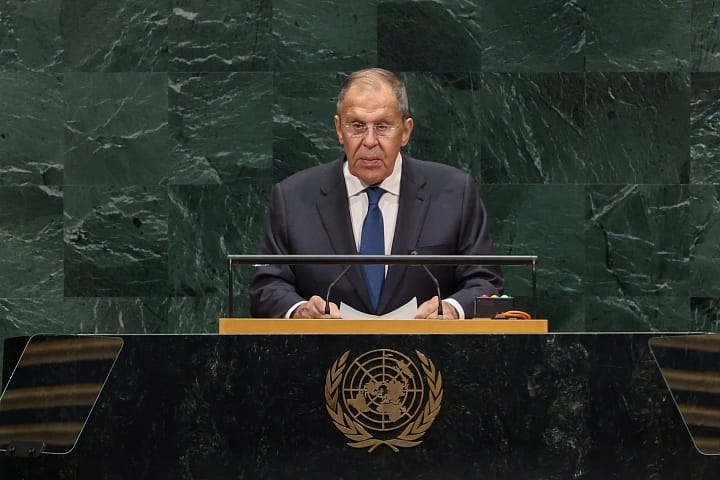
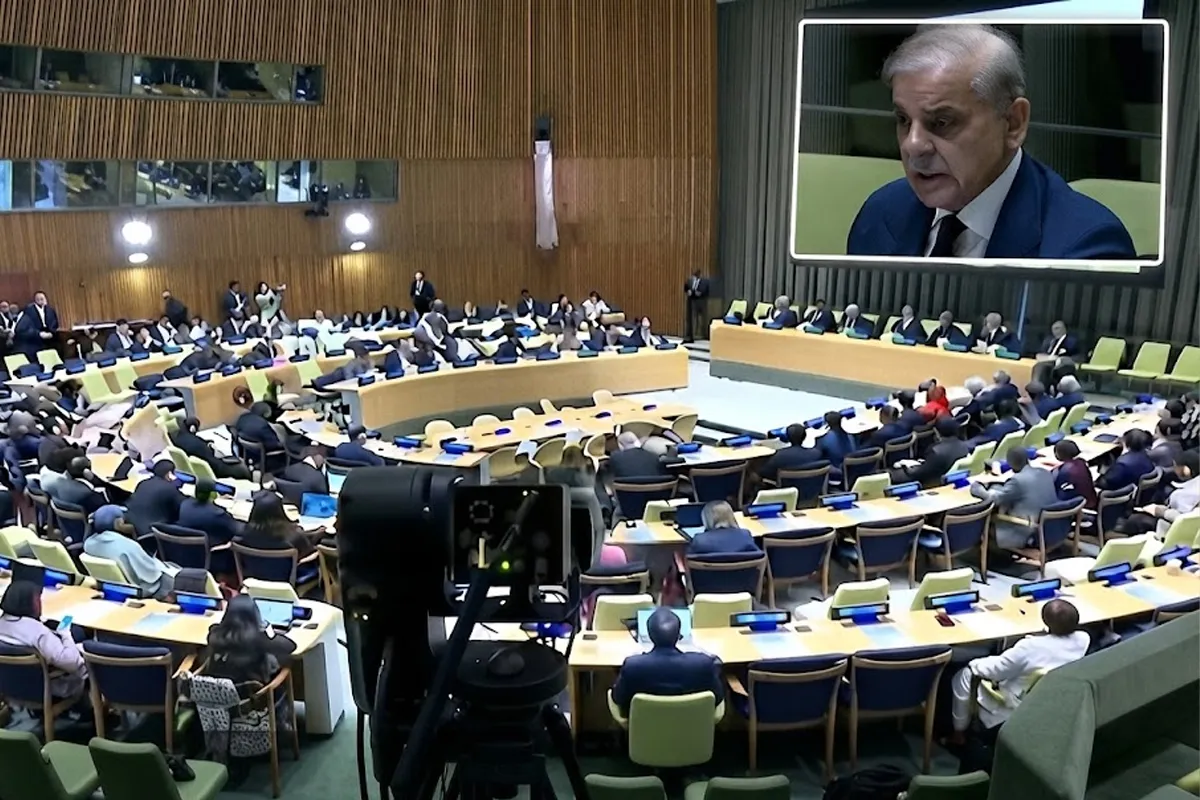
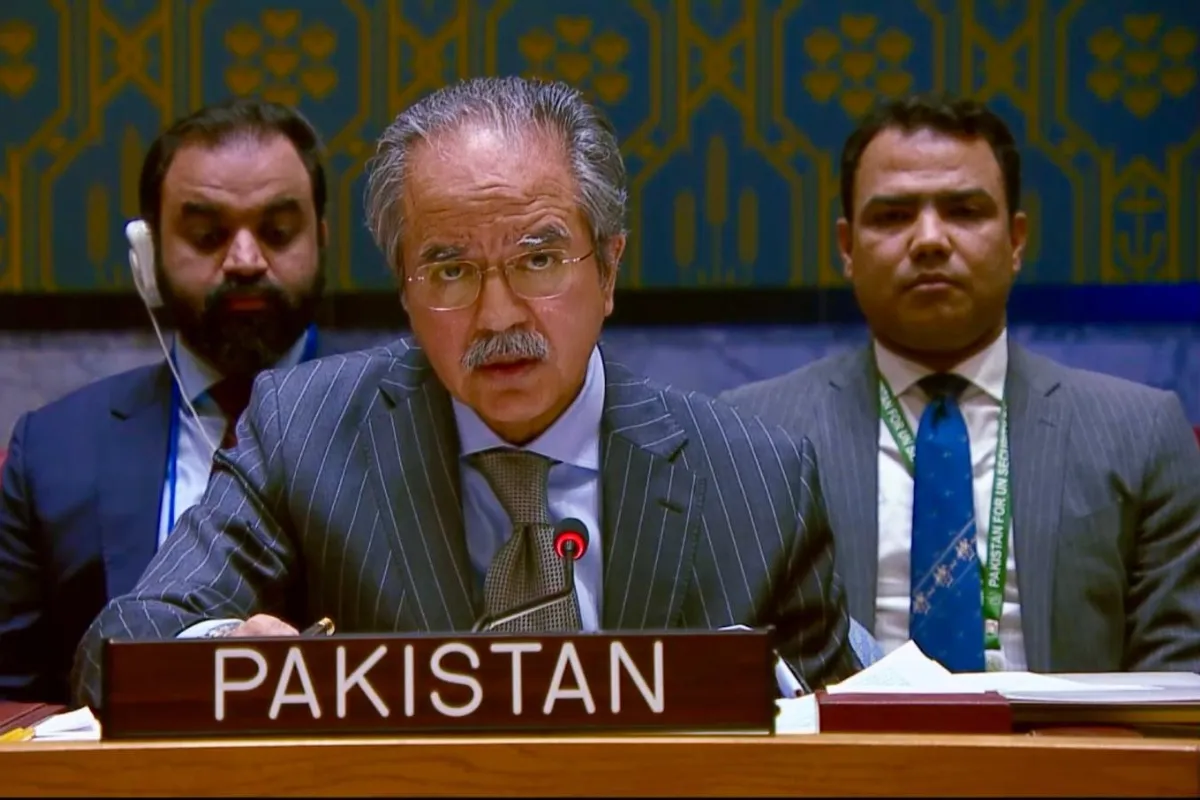
Pakistan’s permanent representative to the UN, Asim Iftikhar, told the Security Council that Jammu and Kashmir is not India’s internal matter, arguing instead that its resolution depends on implementing existing UN resolutions.
Addressing the council session, Iftikhar said Pakistan’s entire foreign policy rests on peaceful resolution of global and regional disputes, and that unresolved Kashmir remains the single biggest obstacle to stability across South Asia.
Iftikhar said Pakistan remains fully committed to a peaceful resolution of the Kashmir dispute in line with Security Council resolutions, arguing those resolutions affirm Kashmiris’ fundamental and inalienable right to self-determination, with the territory’s final status to be decided through a UN-supervised plebiscite. This reflects Pakistan’s longstanding position on the dispute, one India has consistently rejected, maintaining that Jammu and Kashmir is an integral part of India and that its 2019 revocation of the region’s special autonomous status was a purely domestic constitutional matter.
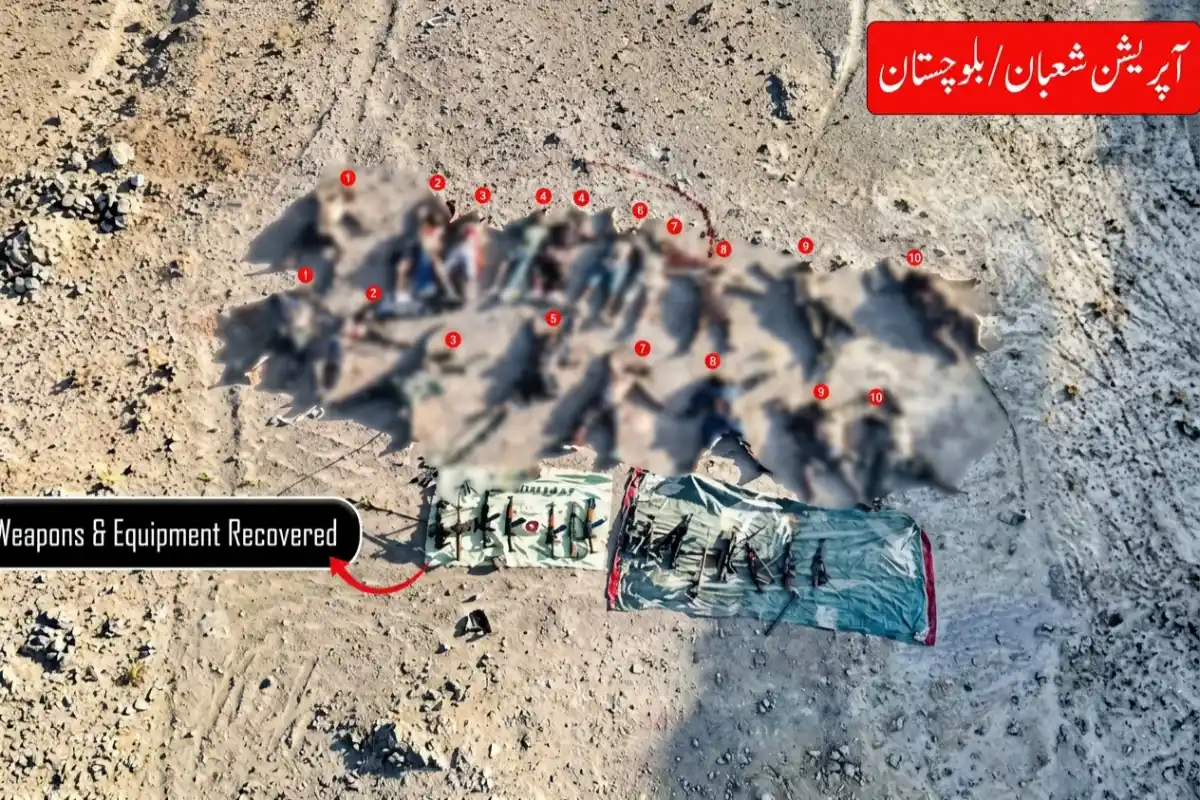
Pakistani counsellor Saima Saleem used her remarks to directly challenge India’s position at the session, saying India has continuously misrepresented facts at the Security Council while itself being involved in state-sponsored support for terrorism across the region — an allegation India has repeatedly and firmly denied over the years, including in the context of accusations Pakistan has made regarding Indian involvement in Balochistan and other internal security matters.
Saleem argued Jammu and Kashmir was never India’s integral part and said India continues deviating from clear UN resolutions on the dispute. She also pointed to the case of Kulbhushan Jadhav, an Indian national convicted by Pakistani military courts on espionage and terrorism charges, as evidence of what she described as Indian state involvement in activities inside Pakistan — a case that has itself been the subject of an International Court of Justice ruling, which found Pakistan had violated Jadhav’s consular rights under the Vienna Convention while not addressing the underlying espionage allegations directly.
Saleem further argued there are stark, visible differences in conditions between Azad Kashmir and what Pakistan refers to as Indian-occupied Kashmir, saying this contrast is evident to international observers, and that lasting regional peace remains unattainable without granting Kashmiris their fundamental rights.
These remarks reflect Pakistan’s official position at a UN forum, delivered in the context of India’s own competing claims and legal framework asserting full sovereignty over the region. The dispute over Kashmir remains one of the longest-running unresolved territorial conflicts in the UN’s history, with both countries maintaining fundamentally incompatible positions on the region’s status, and previous Security Council engagement on the issue has generally not produced a resolution mechanism either side has accepted as binding.
Whether this latest exchange at the Security Council shifts international attention meaningfully toward renewed mediation efforts, or remains within the pattern of recurring, largely unresolved diplomatic exchanges between the two countries at UN forums, will likely depend on broader geopolitical developments rather than the substance of this particular session alone.
Catch all the Pakistan News, Breaking News Event and Trending News Updates on GTV News
Join Our Whatsapp Channel GTV Whatsapp Official Channel to get the Daily News Update & Follow us on Google News.
Must Read