

Weekly Inflation Jumps in Pakistan, Fuel and Food Prices Hit Households Hard

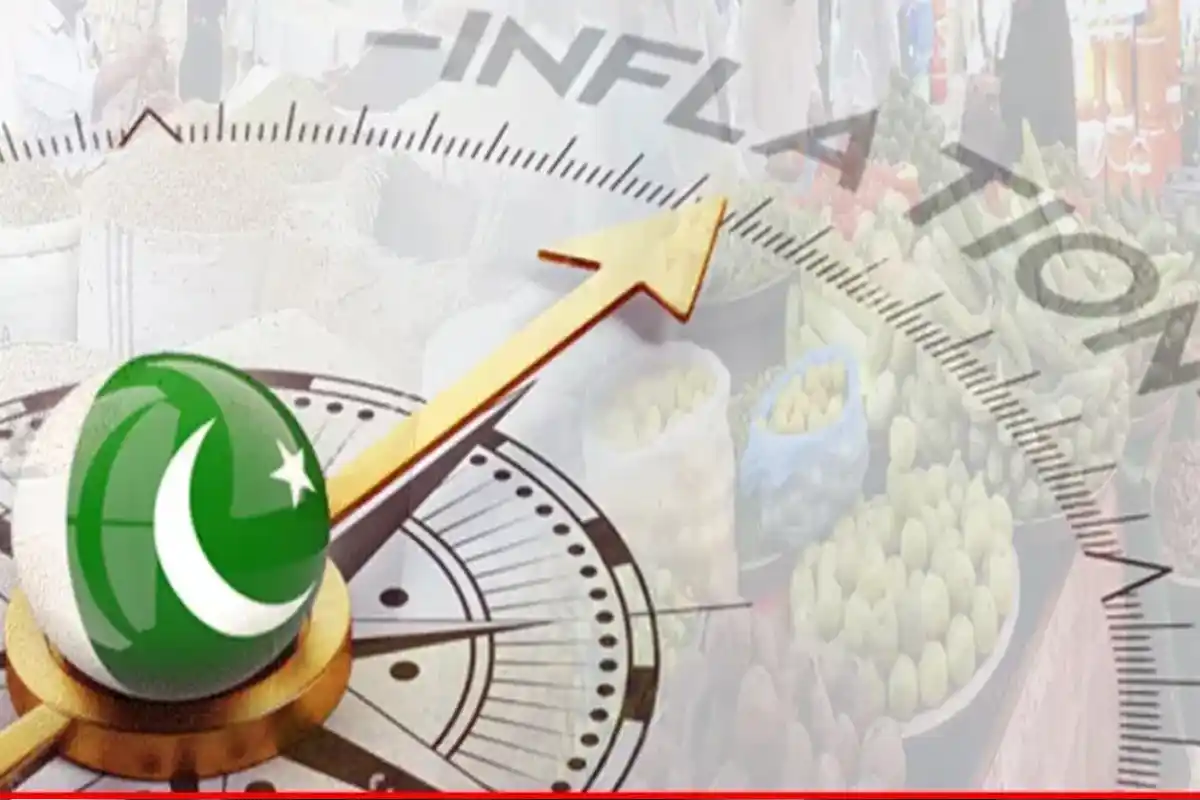
Inflation Surges to 16-Month High at 7% in February
Pakistan’s weekly inflation rose 0.91% this week, pushing the annual rate to 9.66%, according to the Pakistan Bureau of Statistics. Prices rose for 22 essential items during the week, while 8 items saw price declines and 21 remained stable — a relatively mixed picture compared to some recent weeks where price increases dominated more broadly across the tracked basket.
Tomatoes led the weekly increases by a wide margin, up 39.92% — extending a volatility pattern that has repeatedly made tomatoes one of the most disruptive items in Pakistan’s weekly price data in recent months. Fuel costs also climbed sharply: diesel rose 15.87% and petrol increased 5.23% during the week, increases that ripple into transport costs affecting the price of goods more broadly across the economy.
Eggs rose 7.31% and potatoes increased 3.70%, while LPG climbed 0.91% and prepared lentils rose 0.72% — a spread of increases touching both fresh produce and household cooking essentials simultaneously.
The annual figures reveal a more complex inflation picture than the weekly snapshot alone suggests. Tomato prices have surged a staggering 253.04% over the past year — a scale of increase that reflects sustained, compounding volatility rather than a single seasonal spike. Onions rose 81.55% annually and flour climbed 74.13%, two staples central to daily Pakistani cooking that would place sustained pressure on household food budgets over a full year rather than in isolated weeks.
Energy costs have also risen substantially on an annual basis: LPG is up 46.87% and diesel 31.92% compared to a year ago, while electricity tariffs have climbed 22.79% annually — increases that compound across transport, cooking, and household electricity simultaneously, affecting nearly every category of household spending rather than remaining confined to food alone.
Not every category has moved in the same direction, however. Potatoes have actually fallen 32.69% over the past year despite this week’s uptick, and chickpea lentils have dropped 21.48% annually. Sugar prices are down 17.67% year-over-year, and chicken has fallen 13.73% — providing some relief in specific categories even as tomatoes, onions, flour, and energy costs have moved sharply in the opposite direction.
That divergence between falling prices in some staples and dramatic increases in others, particularly tomatoes and onions, illustrates how inflation in Pakistan continues to affect different household budget categories unevenly rather than uniformly. For families relying heavily on tomatoes and onions as cooking staples, the annual increases in those specific items would likely outweigh whatever relief comes from falling chicken or sugar prices, given how central those vegetables are to daily meal preparation in most Pakistani households.
Whether this week’s more moderate 0.91% weekly increase signals a genuine slowdown in the pace of inflation, or represents a temporary lull within a longer upward trend, will likely become clearer through subsequent weekly SPI readings in the coming weeks.
Catch all the Business News, Breaking News Event and Trending News Updates on GTV News
Join Our Whatsapp Channel GTV Whatsapp Official Channel to get the Daily News Update & Follow us on Google News.
Must Read