
Tehran Sends Message of Regional Unity, Says Neighbors Are Not Iran’s Enemies

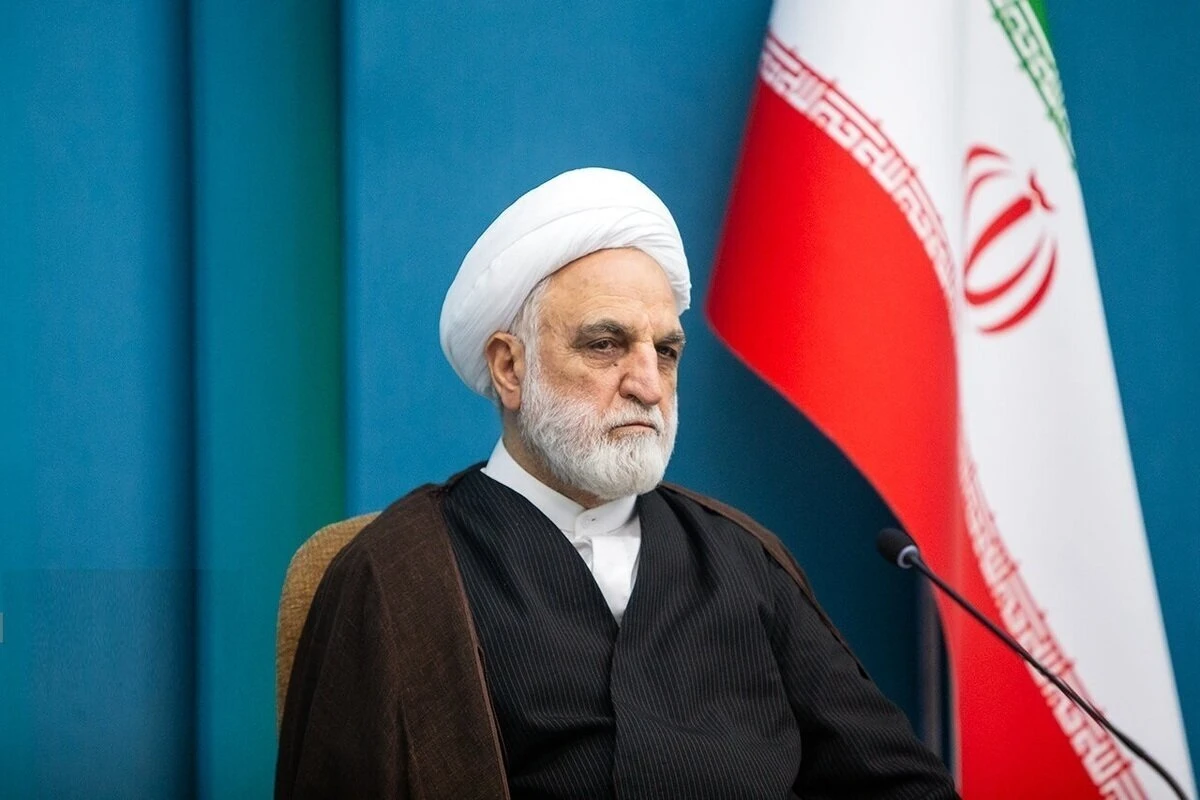
Iran’s Chief Justice Gholam-Hossein Mohseni-Eje’i said Tehran holds no hostility toward its neighboring countries, arguing Iran has consistently supported them during difficult times.
He made the remarks during a meeting in Tehran with Iraqi Prime Minister Ali al-Zaidi, saying Iran seeks good relations with regional countries and will continue supporting its neighbors when needed in the future.
Mohseni-Eje’i said Iran’s policy has never been directed against its neighboring states, stressing that Tehran has consistently prioritized regional cooperation, peace, and mutual respect. Addressing reports of alleged Iranian strikes on Gulf countries, he argued Iran is only targeting actual centers of American aggression or sources contributing to regional tensions, framing recent strikes on bases in Kuwait, Bahrain, and elsewhere as responses tied specifically to US military presence rather than hostility toward the host nations themselves.
He said Iran’s objective is not to harm neighboring countries but to defend its own security and sovereignty — a distinction that attempts to separate Iran’s stated policy toward Gulf states generally from its military actions against US-linked targets located within those countries’ territory.
This framing sits in tension with the scale of threats and claimed strikes Iran’s own military has directed at Gulf states in recent days. IRGC officials have explicitly warned countries hosting US forces to prepare for what they called proportionate retaliation, while claiming strikes on bases in Kuwait and Bahrain, and separately threatening blackouts across nations allied with the US military if Iranian power infrastructure is targeted. Whether Gulf governments themselves interpret Mohseni-Eje’i’s stated distinction between targeting “American aggression” versus the host nations as a meaningful one, given the practical impact of strikes occurring on their sovereign territory, remains an open question the chief justice’s remarks don’t directly address.
During al-Zaidi’s Tehran visit, the two leaders also discussed the regional situation, bilateral relations, and steps toward ending current tensions — talks that follow Iraq’s earlier, unsuccessful attempt to deliver a US ceasefire proposal to Iran, which Tehran rejected over unresolved questions regarding the Strait of Hormuz’s status. Iraq’s continued engagement with Tehran despite that rejection suggests Baghdad remains invested in playing some mediating role, even after its first attempt didn’t produce a breakthrough.
Iranian officials reiterated that Tehran favors resolving issues through diplomacy and negotiation rather than allowing the war to spread further in the region, while describing cooperation with neighboring countries as a key pillar of its foreign policy. That messaging aligns with a broader pattern of Iranian statements emphasizing diplomatic openness even as the conflict continues escalating militarily across multiple fronts simultaneously.
Whether this diplomatic messaging toward regional cooperation eases tensions with Gulf states directly affected by recent strikes, or whether the gap between Iran’s stated intentions and the practical impact of its military actions on host nations continues straining those relationships, will likely become clearer as Gulf governments respond to the continuing pattern of strikes on their territory in the days ahead.
Catch all the World News, Breaking News Event and Trending News Updates on GTV News
Join Our Whatsapp Channel GTV Whatsapp Official Channel to get the Daily News Update & Follow us on Google News.
Must Read