
Oil Prices Rise Amid Uncertainty Over Hormuz Reopening

Crude Oil Prices Rise to Two-Month High on Supply Concerns
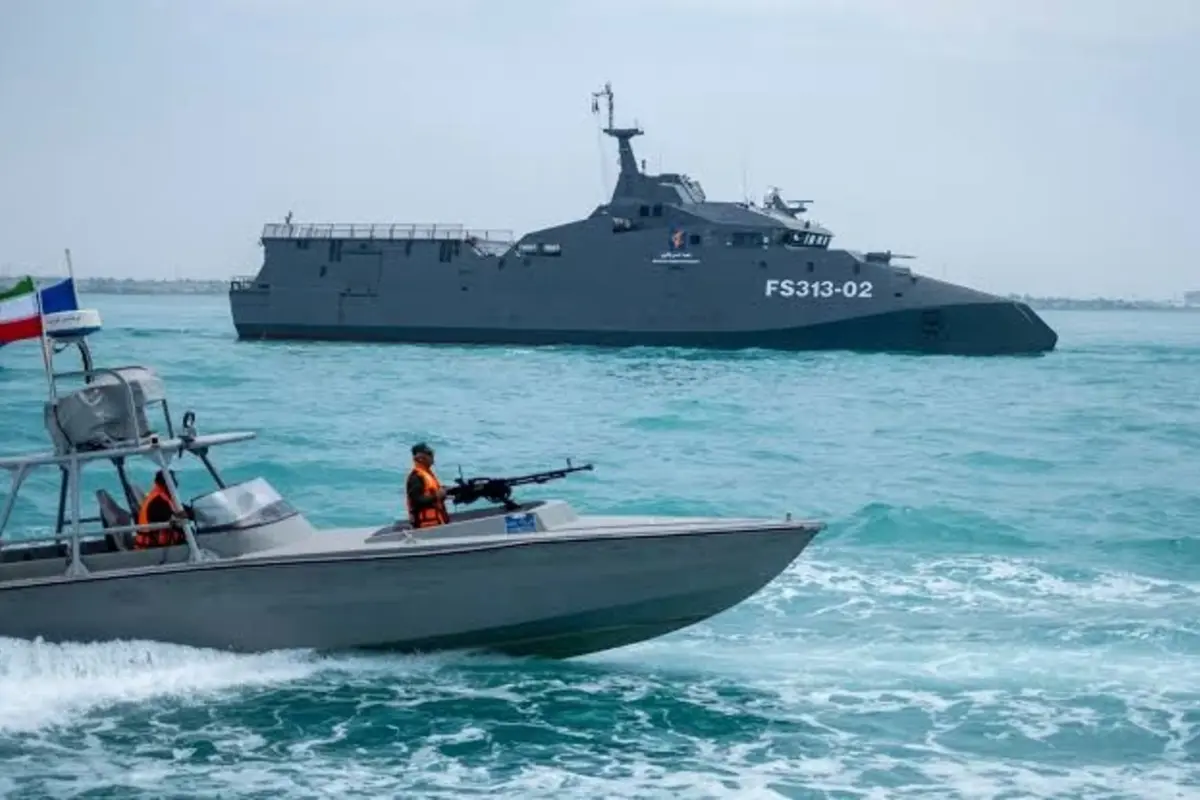
Global crude oil prices climbed further amid continued uncertainty over the Strait of Hormuz’s reopening, with Brent crude rising more than 1% to surpass $84 a barrel during Asian trading, while US crude similarly gained more than 1%.
The future of one of the world’s most critical maritime chokepoints remains unclear. Iran says a deal with Oman over establishing new shipping routes through the strait is in its final stages, though it maintains the US still needs to fulfill other conditions before any broader resolution takes effect.
This latest price movement extends the volatility that has characterized oil markets throughout recent weeks, swinging between sharp declines during reported pauses in fighting and rebounds whenever diplomatic signals turn uncertain or contradictory. The reference to an Iran-Oman agreement nearing completion aligns with previously reported details from Iran’s Deputy Foreign Minister Kazem Gharibabadi, who had disclosed Iran’s rejection of an earlier, more limited Omani compromise while separately demanding partial control over Omani waters — suggesting any “final stages” agreement now being described would need to have resolved that more expansive Iranian demand in some form.
The claim that the US still needs to meet additional conditions adds another layer of ambiguity to an already contested diplomatic picture. Throughout the conflict, Iranian officials have consistently argued Washington failed to honor commitments under the earlier collapsed memorandum of understanding, including asset release obligations and adherence to agreed timelines — grievances that may now be folded into whatever conditions Iran is attaching to a prospective Oman-brokered arrangement.
Markets’ continued sensitivity to even incremental shifts in Hormuz-related news reflects the strait’s outsized importance to global energy supply, carrying roughly a fifth of global oil and LNG flows under normal circumstances. The persistent uncertainty over its status, now stretching well past six months into the conflict, has kept traders unable to price in a stable resolution in either direction, contributing to the kind of single-session swings that have become a recurring feature of oil markets throughout this war.
This development also arrives just after the signing of the Mecca Joint Defence Agreement between Pakistan, Turkiye, and Saudi Arabia — a pact explicitly motivated by the broader regional instability this conflict has generated, including its impact on Gulf energy exports and shipping security. The overlapping timeline between that new defense architecture and continued Hormuz uncertainty underscores how deeply the strait’s unresolved status continues shaping regional diplomatic and economic calculations well beyond the immediate US-Iran confrontation.
Whether the described Iran-Oman agreement reaches finalization, and whether the US moves to meet whatever additional conditions Iran is referencing, will likely determine if oil prices find a more stable trajectory or continue the pattern of volatility that has persisted since the conflict’s most recent escalation. Given the repeated pattern of near-agreements and reported breakthroughs failing to materialize into confirmed, mutually acknowledged resolutions throughout this war, sustained market caution appears likely to continue until a more definitive and consistently corroborated development emerges from either government.
Catch all the Business News, Breaking News Event and Trending News Updates on GTV News
Join Our Whatsapp Channel GTV Whatsapp Official Channel to get the Daily News Update & Follow us on Google News.
Must Read