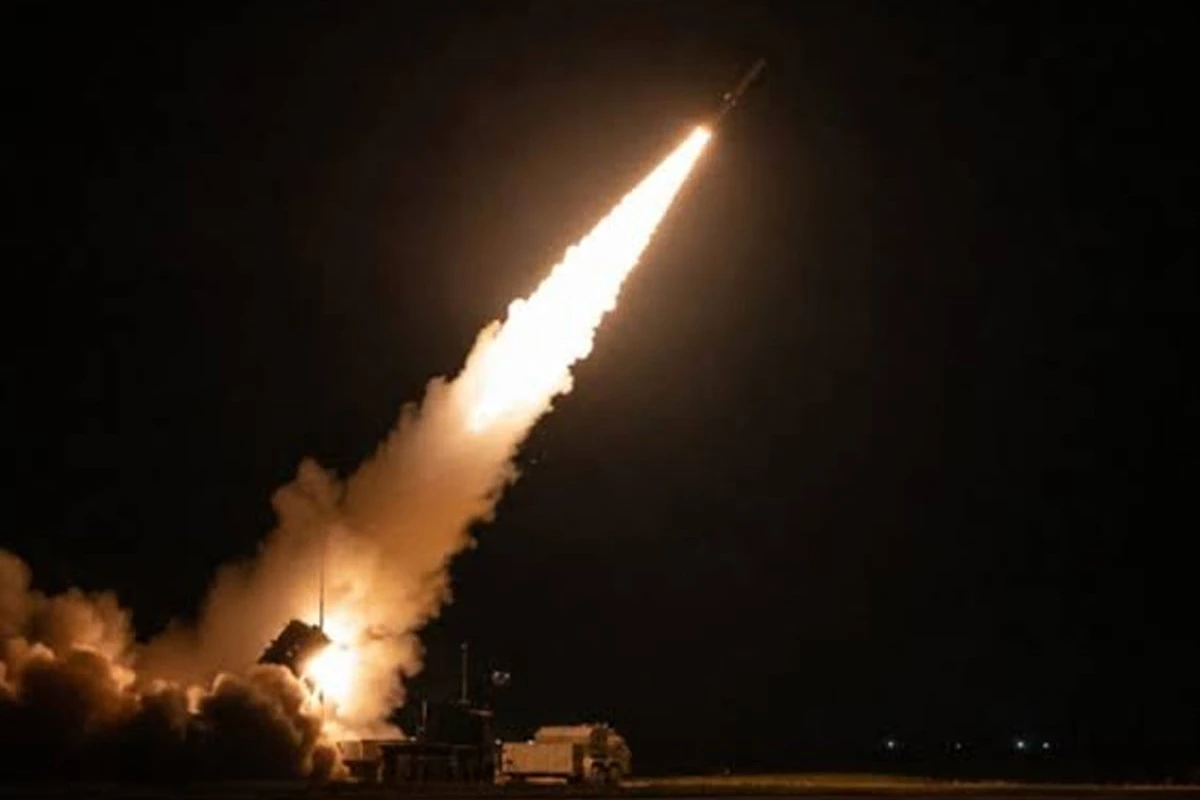

Iran Dismisses New US Sanctions as Sign of Diplomatic Failure

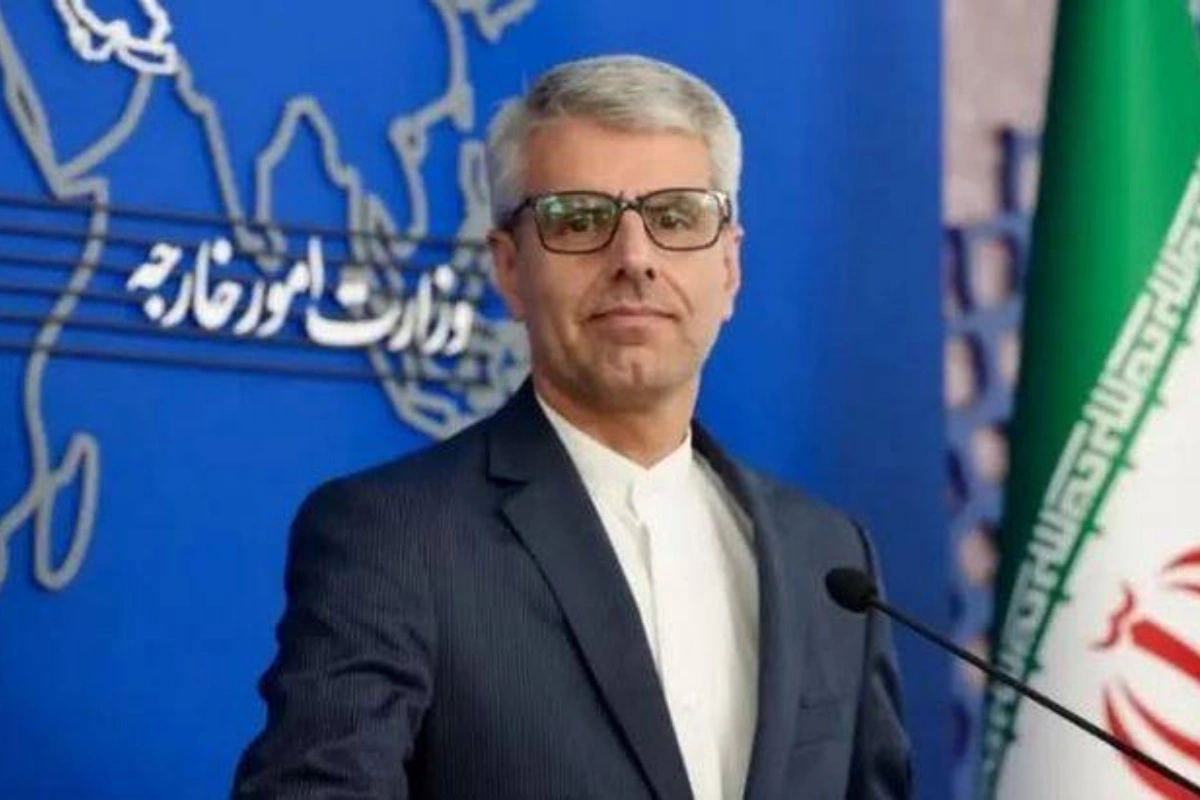
Iran-Oman Route Deal Does Not Mean Hormuz Will Reopen: Baghaei
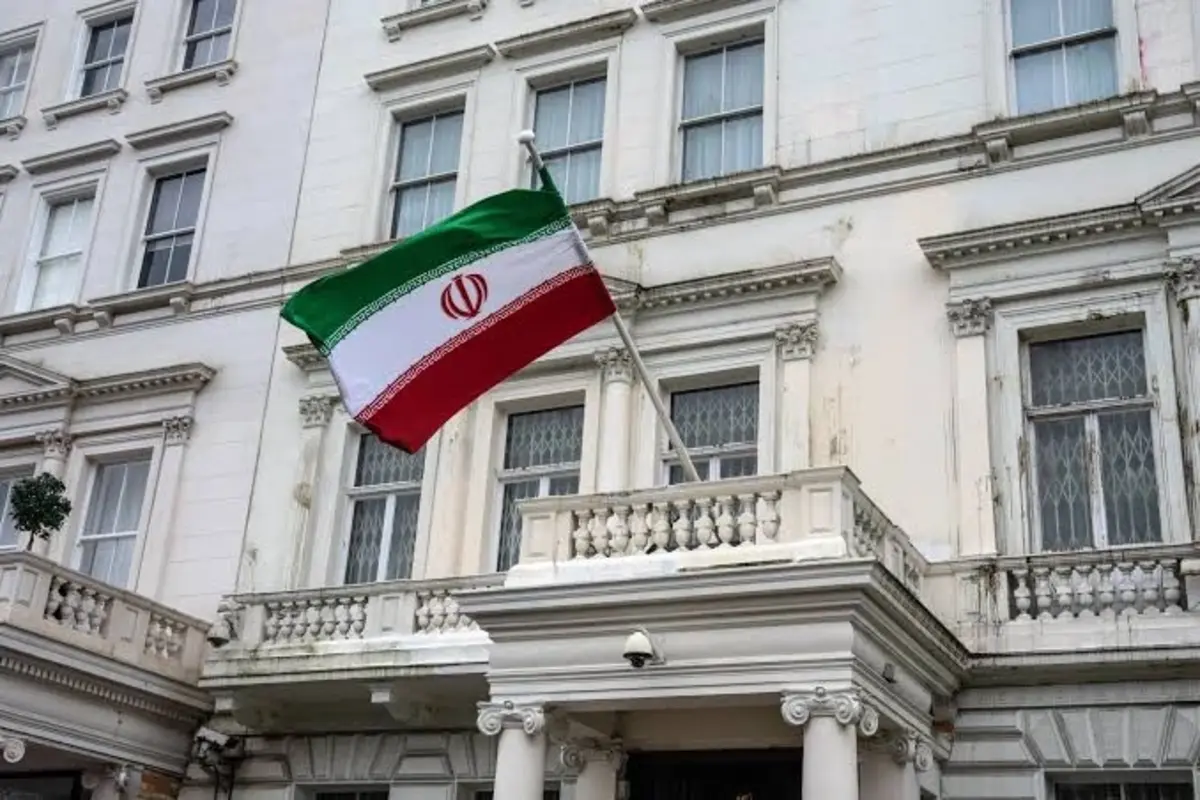
Iran’s Foreign Ministry says Washington’s latest round of sanctions proves the opposite of what US officials claim: not strength, but a diplomatic dead end.
Spokesperson Esmaeil Baghaei said on X that the United States turns to sanctions whenever diplomacy stalls, and escalates them whenever they fail to work. He argued Iran has spent decades absorbing exactly this pattern without bending, and that Washington has turned a tool of foreign policy into a reflex it can no longer set aside. The remark responded directly to Treasury Secretary Scott Bessent, who said days earlier that sanctions were “suffocating” Iran’s economy.
The exchange lands amid the eighth round of US sanctions on Iran so far this year, part of a “maximum pressure” campaign the Treasury says is squeezing Iran’s shadow banking network. Recent designations have targeted digital asset exchanges, illicit shipping operations and oil-for-gold financing schemes Washington links to Tehran’s efforts to move money around sanctions enforcement.
None of this is happening in isolation. Sanctions have been Washington’s primary lever against Iran since the 1979 hostage crisis, cycling through phases of intensification and partial relief for over four decades, including the 2015 nuclear deal era and its collapse. What’s different now is the backdrop: an active, unresolved military confrontation, a US naval blockade of Iranian ports, and stalled talks over a memorandum of understanding both sides had appeared close to finalizing earlier this year. Sanctions in this context aren’t just economic pressure — they’re leverage in a live negotiation, which is why Tehran’s public dismissal of them carries more than rhetorical weight.
Baghaei’s sharper point was aimed inward at Washington’s own position: he suggested US officials risk squandering what chances remain for a face-saving exit from a conflict of their own making, rather than actually forcing Iranian concessions. That framing shifts the story from “will sanctions work” to “what happens if they visibly don’t” — a question with real consequences for how long the current standoff, and its economic costs on both sides, can be sustained.
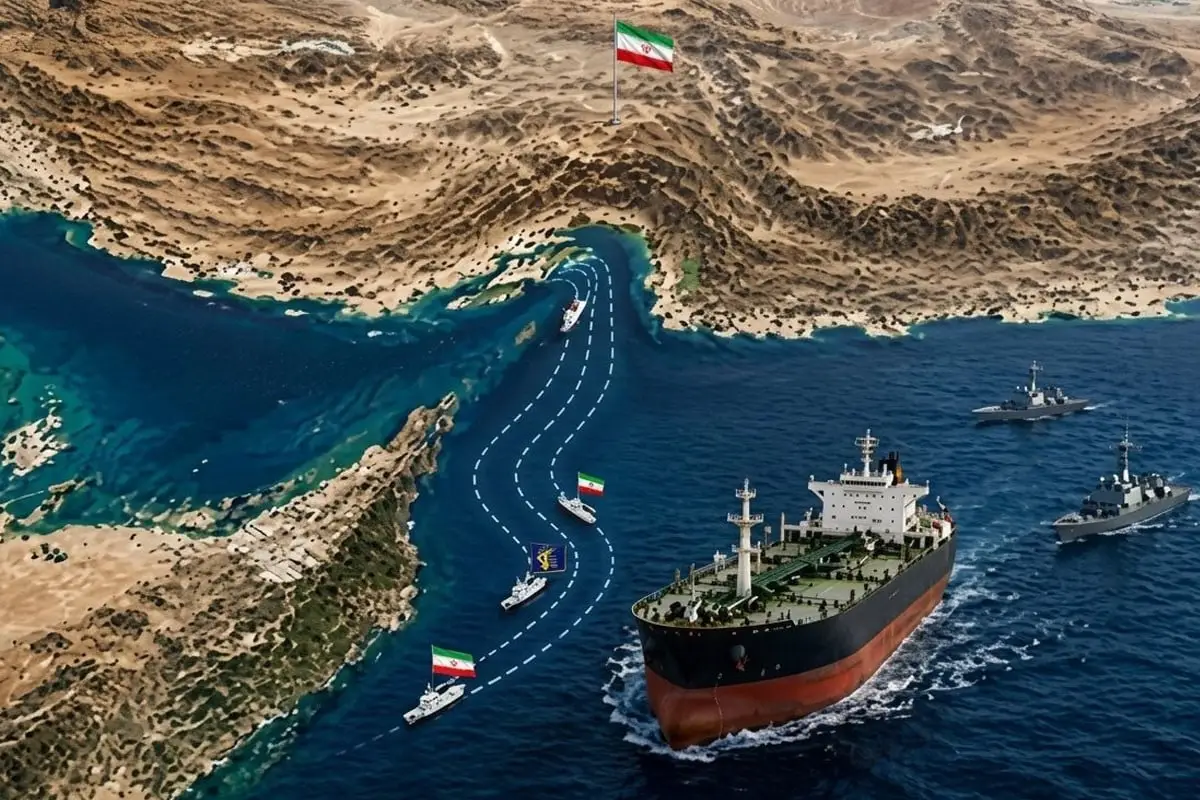
Iran’s Foreign Ministry has consistently pushed dialogue over pressure as the resolution path, while Washington keeps sanctions and the naval blockade active as leverage over Iran’s nuclear program and regional conduct. With talks reportedly stalled and military tensions still live around the Strait of Hormuz, neither side has signaled it will move first. The near-term outlook likely hinges less on new sanctions rounds than on whether Washington and Tehran can restart the paused MOU process — the sanctions fight, for now, looks more like posturing for that eventual table than a standalone strategy.
Catch all the World News, Breaking News Event and Trending News Updates on GTV News
Join Our Whatsapp Channel GTV Whatsapp Official Channel to get the Daily News Update & Follow us on Google News.
Must Read
Pakistan
GTV News MD Meets Acting Chinese Consul General in Karachi to Celebrate Pak-China Friendship
14-October،2026