
Iran’s Seaborne Crude Exports Reportedly Fall to Zero Amid US Blockade

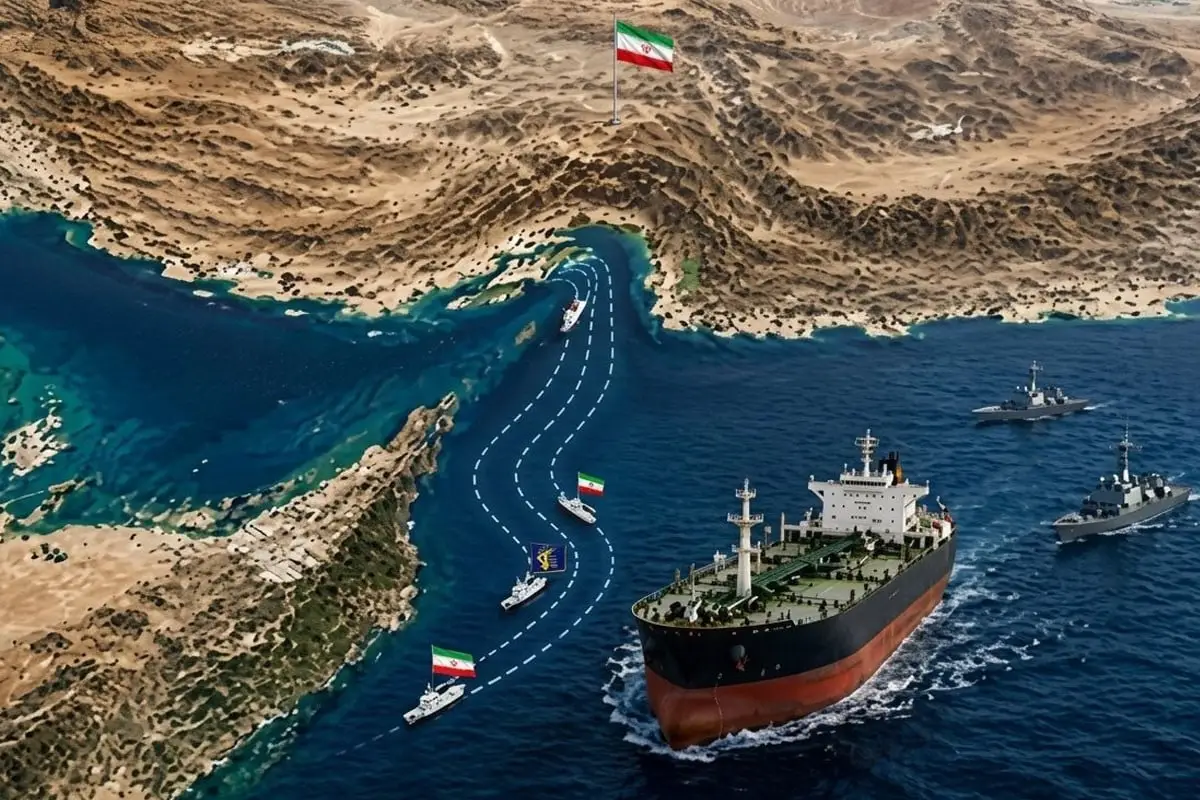
Iran’s seaborne crude oil exports reportedly fell to zero during the second week of September and had not resumed by October 5, according to figures cited by Reuters. The reported halt has left tens of millions of barrels of Iranian oil aboard tankers, with a substantial volume said to be stranded west of the Strait of Hormuz amid a US naval blockade.
Reuters reported that Iran’s 14-day average seaborne crude exports stood at approximately 230,000 barrels per day at the beginning of September. The flow subsequently dropped to zero during the second week of the month and remained halted through October 5, according to the report.
The figures point to a sharp disruption in Iran’s ability to move crude oil to international buyers by sea. However, the reported export halt reflects the period covered by the data and does not, by itself, establish what the situation will be beyond that date.
Millions of barrels remain aboard tankers
According to data from maritime analytics firm Vortexa cited by Reuters, Iranian crude oil stored aboard tankers at sea had fallen to around 83 million barrels.
Of that amount, approximately 43 million barrels were reportedly located west of the Strait of Hormuz and unable to move freely because of the US blockade.
Claire Jungman, Vortexa’s director of maritime risk and intelligence, said the blockade had physically prevented Iranian crude from being transported out of the Gulf. She contrasted the impact with years of international sanctions, arguing that the restrictions had created a particularly significant obstacle to oil shipments.
The reported figures underline the importance of shipping access to Iran’s oil exports. Even when crude has already been loaded onto tankers, restrictions on maritime movement can prevent it from reaching overseas refineries and buyers.
China’s demand and alternative supplies
The Reuters report also highlighted changing conditions in China’s oil market. Jungman said China’s immediate need for Iranian crude had weakened because Russian oil was meeting a larger share of its demand.
China has been a major destination for Iranian oil, making its purchasing patterns an important factor in Tehran’s export outlook. If alternative suppliers can meet more of Chinese demand, Iran could face additional difficulties in finding buyers or maintaining previous export levels.
The report also noted that oil shipments from Gulf countries other than Iran had recovered to more than 81% of pre-war levels in September, with the recovery of Saudi exports contributing to the increase.
Uncertainty for global energy markets
The reported disruption could have significant economic implications for Iran by limiting access to oil revenue. The longer exports remain restricted, the greater the pressure on storage, shipping arrangements and the government’s ability to earn foreign currency from crude sales.
The wider impact on global oil markets will depend on the duration of the blockade, the availability of supplies from other producers and developments affecting shipping through the Strait of Hormuz.
The Reuters figures provide a snapshot of a major disruption through October 5. Further data would be required to determine whether the reported halt continued and how much Iranian crude subsequently reached international markets.
Catch all the World News, Breaking News Event and Trending News Updates on GTV News
Join Our Whatsapp Channel GTV Whatsapp Official Channel to get the Daily News Update & Follow us on Google News.
Must Read



Pakistan
Report Raises Questions Over Alleged Misuse of 23 Government Vehicles by KP PTI Members
14-October،2026