
Genocide Watch Report Raises Alarm Over Human Rights Under Taliban Rule in Afghanistan

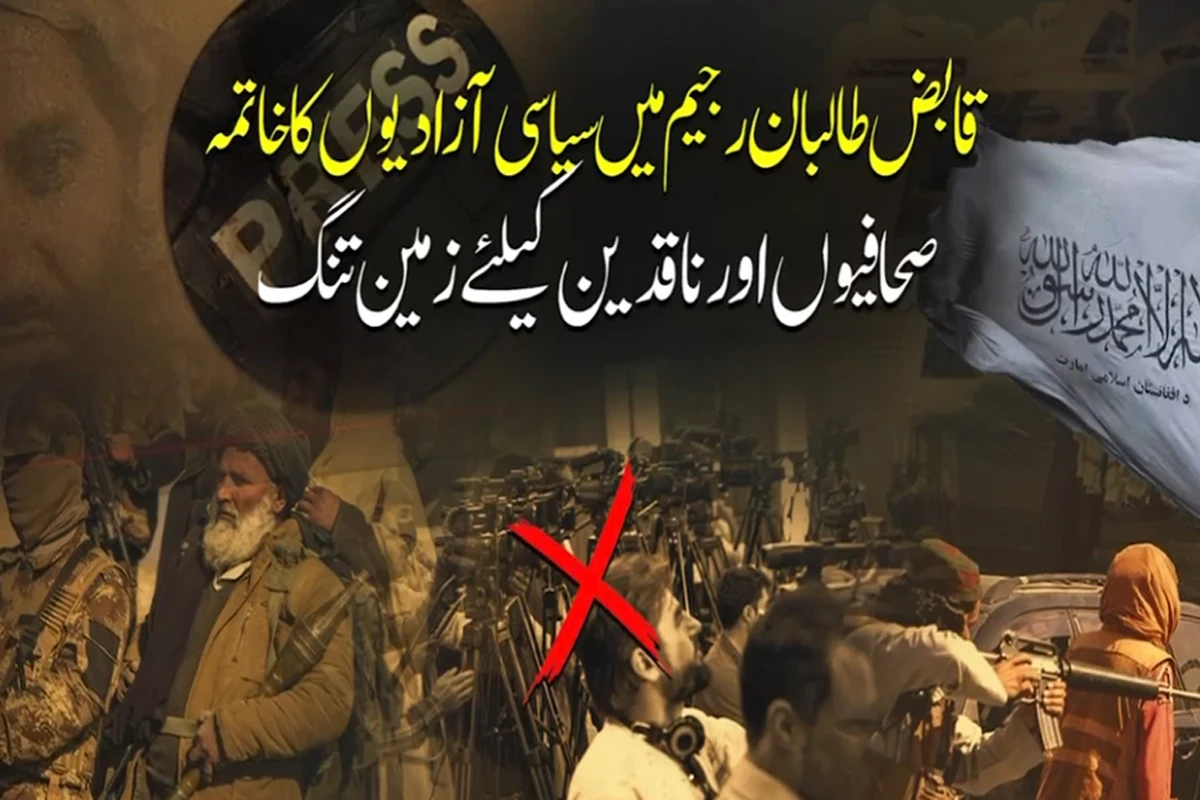
A new report attributed to Genocide Watch has raised concerns about human rights and civil liberties under Taliban rule in Afghanistan, highlighting restrictions on political participation, alleged arbitrary arrests and the use of corporal punishment.
According to the information provided, the report says the Taliban have dismantled political and civic rights, dissolved institutions and imposed their interpretation of Islamic law. Journalists, ordinary citizens and former government employees are reportedly among those facing arbitrary detention and severe punishments.
The findings add to longstanding concerns about governance, accountability and the protection of fundamental rights in Afghanistan since the Taliban returned to power in August 2021.
Reported arrests and corporal punishment
The supplied summary of the report states that more than 449 people received corporal punishment during the first six months of the current year, while more than 777 people were allegedly detained unlawfully.
These figures require verification against the original report and its methodology, including the period covered, the definition of unlawful detention and the sources used to compile the data.
Corporal punishment and arbitrary detention raise concerns about due process, the right to a fair hearing and safeguards against cruel or degrading treatment. Independent documentation is essential to establish the circumstances of individual cases and assess the overall scale of reported abuses.
Journalists and former public officials may face particular risks in environments where political opposition, independent reporting and criticism of authorities are heavily restricted. Such conditions can also discourage people from reporting abuses or seeking legal remedies.
Restrictions on political and civic life
According to the report summary, the Taliban have curtailed political participation and weakened or dissolved institutions that previously formed part of Afghanistan’s civic and governmental structure.
Restrictions on political organisation, public expression and independent media can limit opportunities for citizens to challenge official decisions or participate meaningfully in public affairs.
The wider consequences can extend to education, employment, access to justice and economic independence. When people face barriers to exercising their rights or earning a livelihood, families and communities may also experience increased financial insecurity.
Human rights assessments must distinguish documented incidents from broader conclusions about government policy. The original report, its evidence and any responses from Taliban authorities would be important for a complete assessment of the allegations.
Implications for Afghanistan’s future
Afghanistan continues to face serious political and economic challenges. Restrictions on civil liberties can complicate efforts to build accountable institutions, restore public confidence and improve the country’s international relations.
Human rights experts have repeatedly emphasised the importance of protecting civilians, ensuring due process, safeguarding journalists and allowing meaningful participation in public life.
The figures attributed to Genocide Watch, if confirmed by the original report, would provide an important measure of reported arrests and corporal punishments during the period covered. Their interpretation should take into account the organisation’s methodology and the availability of independently corroborated evidence.
For Afghanistan, the central concerns are whether citizens can exercise basic freedoms, whether detainees receive fair legal treatment and whether institutions provide effective protection against abuses of power.
Catch all the World News, Breaking News Event and Trending News Updates on GTV News
Join Our Whatsapp Channel GTV Whatsapp Official Channel to get the Daily News Update & Follow us on Google News.
Must Read