
Iran Recovers 40% of South Pars Gas Capacity After US-Israeli Attacks

Iran Recovers 40% of South Pars Gas Capacity After US-Israeli Attacks
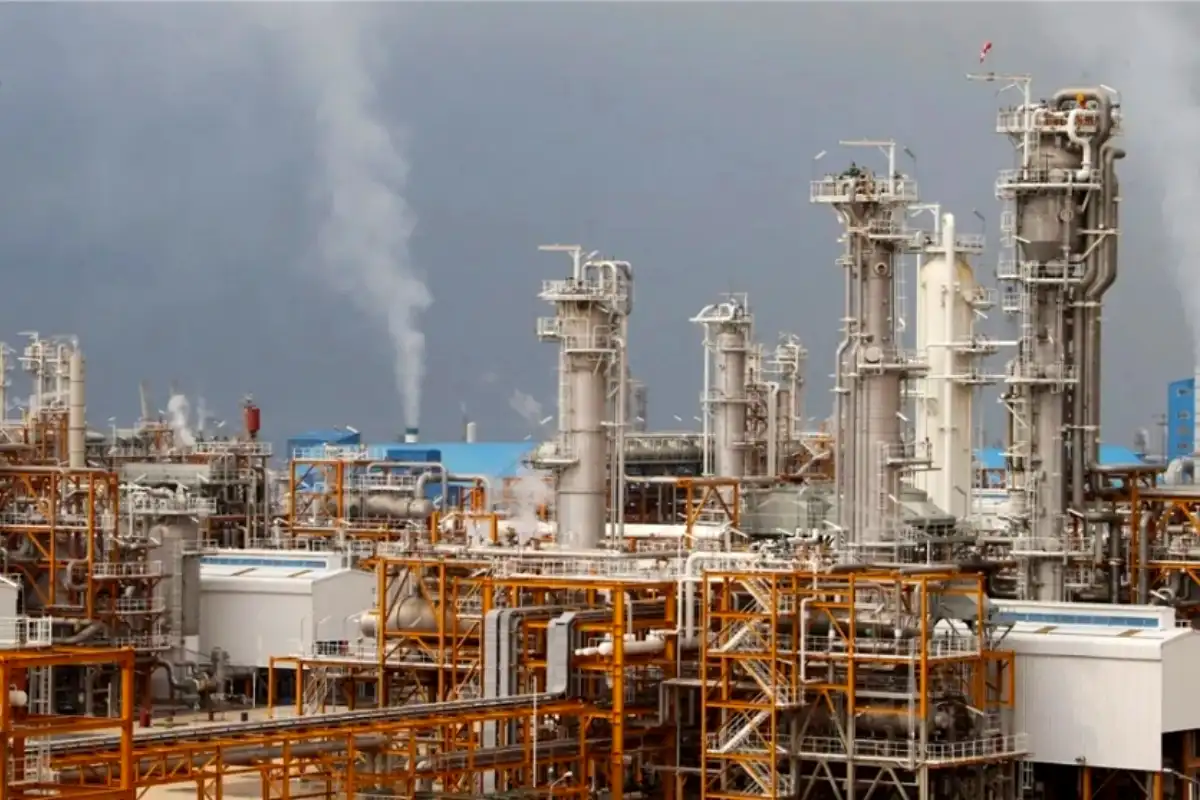
Iran has restored about 40% of the production capacity damaged at the South Pars gas field following US-Israeli attacks, Deputy Oil Minister for Planning Ahmad Zeraatkar said on Thursday.
“About 40% of the damaged capacity has now returned to service, and production in this part has resumed,” Zeraatkar said.
Iranian energy workers have repaired several damaged units and brought them back into operation earlier than expected. Zeraatkar said the progress shows Iran’s ability to restore damaged energy facilities using domestic resources.
However, he said complete reconstruction will take at least two years because of the scale of the damage.
“The complete reconstruction of the damaged sites is time-consuming and will require at least about two years,” he said.
Iranian financial institutions are also supporting the reconstruction work. Four domestic financing projects have been established as part of a major funding package, Zeraatkar said.
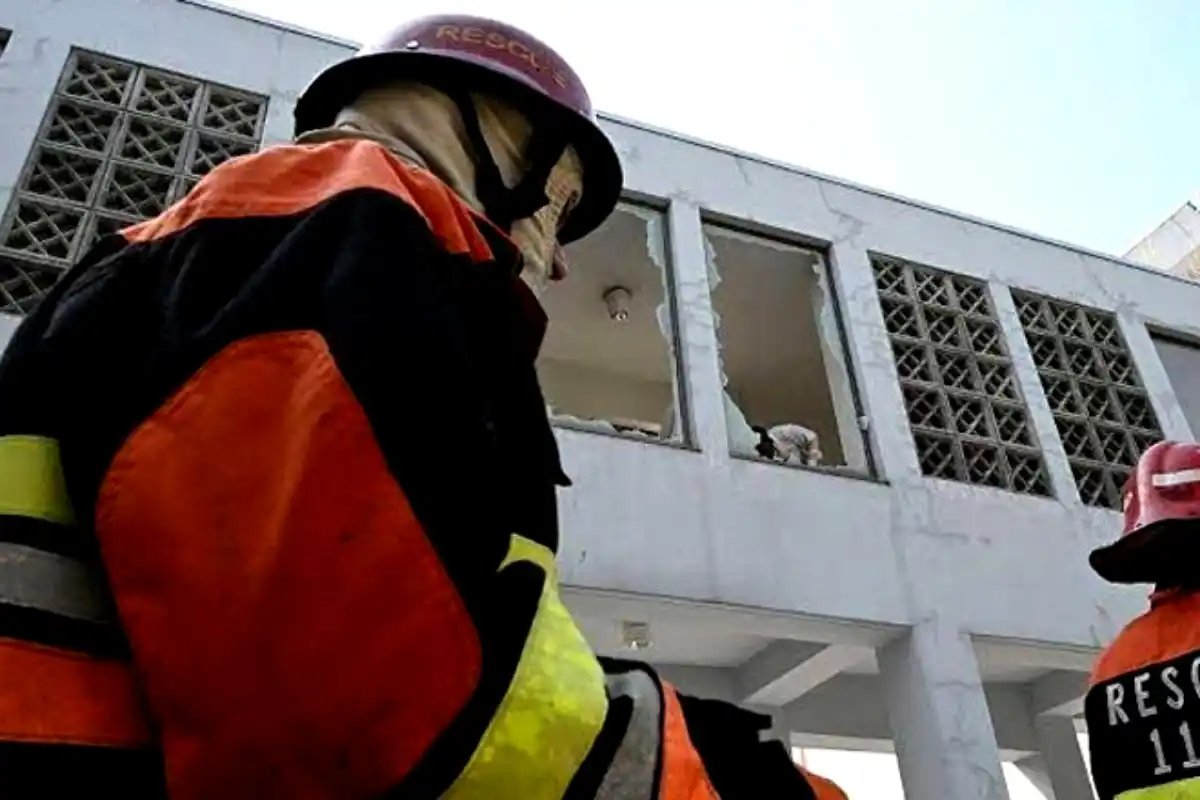
He added that debris removal at the damaged facilities has been completed and reconstruction is now moving forward under a planned program.
Gholamabbas Hosseini, managing director of the South Pars Gas Complex, said debris removal at four damaged refineries was completed through round-the-clock work by specialized teams.
Reconstruction of the affected units is now being carried out using domestic capabilities, Hosseini said. He added that maintenance and equipment upgrades have improved the readiness of the refineries to maintain stable gas production.
“All specialized and operational capacities are being deployed to maintain production stability, particularly during the cold months of the year,” he said.
On Wednesday, Pars Oil and Gas Company and a consortium led by Shahr Bank signed an agreement to rebuild the refineries serving phases 9 and 10 of the South Pars field.
Ebrahim Soleimani, acting project manager for the reconstruction of the Phase 9 and 10 refineries, said debris removal and safety work in the damaged areas were completed in less than two months.
He said reconstruction entered the implementation stage after safe conditions were established.
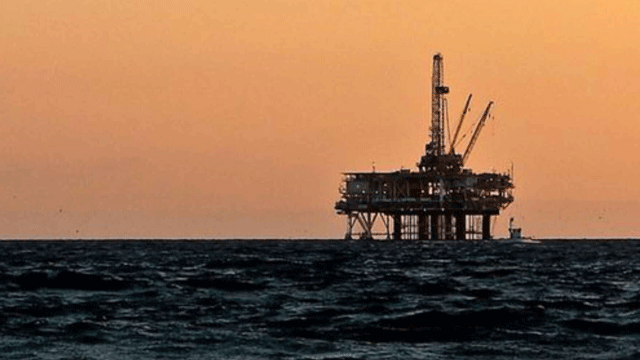
South Pars is located in Iran’s Persian Gulf waters and shares the giant gas reservoir with Qatar’s North Field. The field is important for Iran’s domestic energy supply and petrochemical industry.
The South Pars facilities were targeted during the 12-day war in June 2025 and again during the 40-day Ramadan war on April 6. The attacks damaged facilities in the South Pars industrial complex in Asaluyeh, including the Jam and Damavand petrochemical facilities.
Iranian engineers quickly repaired some of the damaged facilities. At the Phase 14 refinery, three gas-sweetening trains that suffered limited damage were repaired and returned to production in less than 10 days, according to Iranian officials.
Zeraatkar said the attacks targeted infrastructure that is important to the daily lives of Iranian people.
“The main objective of the attacks was to target vital infrastructure and ultimately put pressure on the Iranian people,” he said.
He added that natural gas is essential for homes, businesses, factories and industries.
Iran managed to maintain its vital energy networks through the summer and is now preparing to keep the gas network stable during the coming winter, Zeraatkar said.
At the same time, Iran is working to increase domestic gasoline production by launching two new refineries.
Mohammad-Sadegh Azimifar, managing director of the National Iranian Oil Products Refining and Distribution Company, said the Adish Southern and Mehr Persian Gulf refineries are expected to start operations by the end of the year.
The two projects are expected to increase Iran’s gasoline production by around 12 million liters per day. Azimifar said this would equal about 9% of the country’s gasoline consumption and improve domestic fuel supplies.
The Adish Southern refinery is already receiving feedstock and its commissioning process is underway. The Mehr Persian Gulf refinery is also expected to become operational by the end of the year.
The reconstruction and expansion projects come as Washington continues to increase economic pressure on Tehran through sanctions and a naval blockade aimed at limiting Iran’s energy revenues and international trade.
Despite the pressure, Iran has continued exporting crude oil, with China remaining a major buyer. Chinese purchases of Iranian crude have stayed close to last year’s levels despite US efforts to restrict Tehran’s oil revenues.
China has also criticized US sanctions related to trade with Iran, calling such measures illegal.
Iran is also working to adjust its wider energy system to deal with the impact of war and sanctions. The country is focusing on energy efficiency and demand management while also developing solar and nuclear power and alternative routes for energy exports.
Catch all the World News, Breaking News Event and Trending News Updates on GTV News
Join Our Whatsapp Channel GTV Whatsapp Official Channel to get the Daily News Update & Follow us on Google News.
Must Read