
Trump Aides Seek to Keep Iran War ‘Quiet’ Until November Midterms

Trump Aides Seek to Keep Iran War ‘Quiet’ Until November Midterms
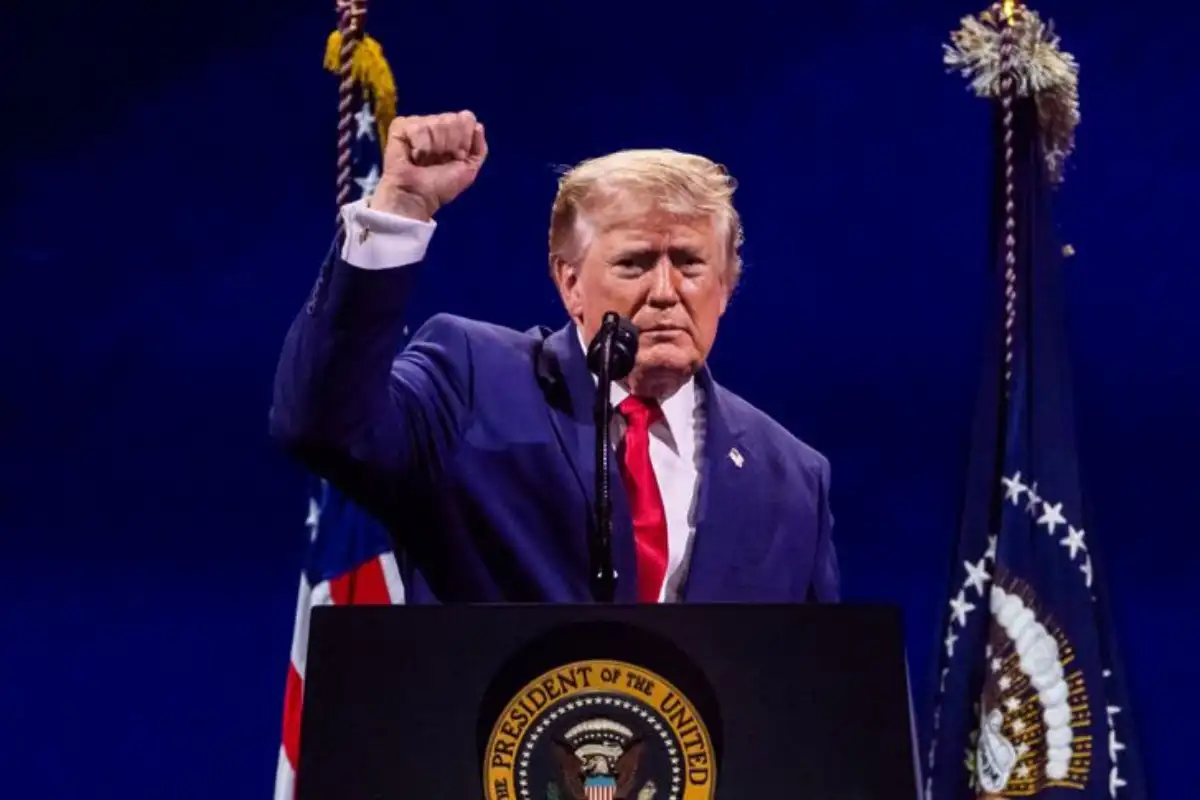
WASHINGTON: Top aides to US President Donald Trump are trying to prevent the Iran war from becoming more serious before November’s midterm elections, four officials familiar with the discussions said.
The officials said the strategy is aimed at limiting possible Republican losses in the elections. However, the plan is already under pressure as the United States and Iran exchanged attacks overnight.
White House officials are considering increasing military action after the November 3 vote, the sources said. However, a return to full-scale war is still far from certain. The US military said its latest strikes were in response to recent attacks on American forces and marine traffic in the region.
For now, the administration wants to increase economic pressure on Iran and use it to seek concessions in any future negotiations. Officials believe months of military action have failed to achieve those goals.
“We are keeping the pressure on Iran,” one White House official said. “But November is a priority.”
The sources said keeping the war mostly under control until the election could stop the conflict from becoming a major issue in the campaign. Republicans are trying to protect their narrow majorities in the Senate and House of Representatives.
A late August Reuters/Ipsos poll showed that only 31 per cent of Americans approve of the war, while 63 per cent disapprove. Voters are also particularly unhappy about high gas prices.
A temporary pause in the fighting could also give the US military time to replace weapons and ammunition that have been heavily used during the conflict, the sources said.
However, keeping the conflict under control is becoming more difficult. Although the fighting is less intense than during the spring or the middle of the summer, the two sides have continued exchanging attacks in recent days.
Analysts said Iran’s leaders are likely to continue carrying out occasional attacks against US and allied targets in the Gulf. These could include military bases, ships and energy facilities.
The United States would then face pressure to respond, which could create a cycle of escalation and bring both sides back to a full-scale air war.
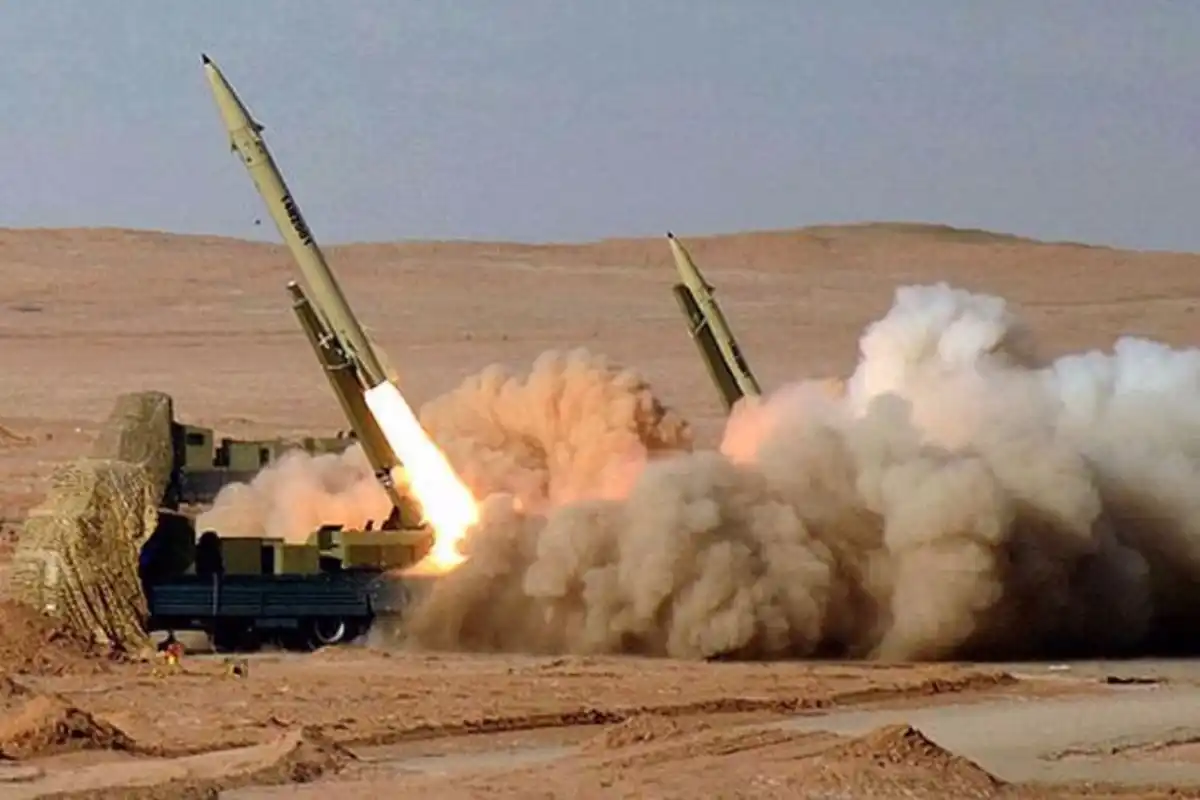
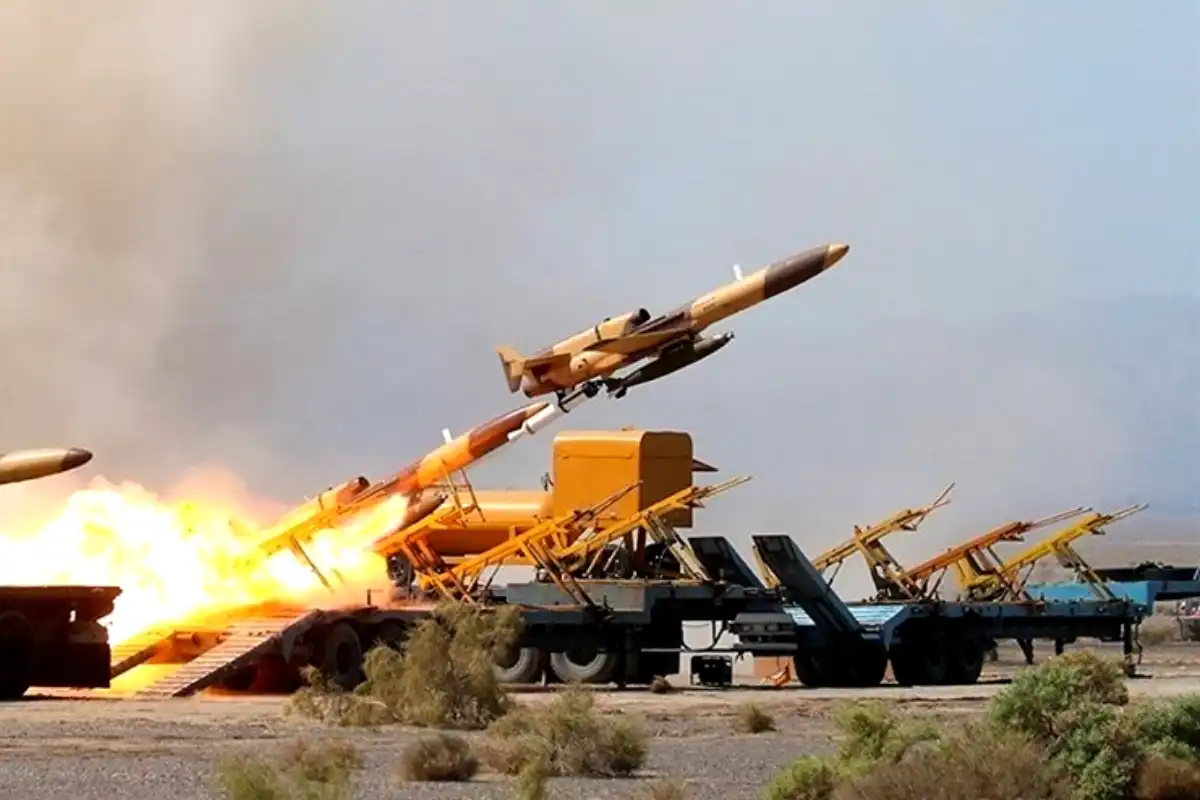
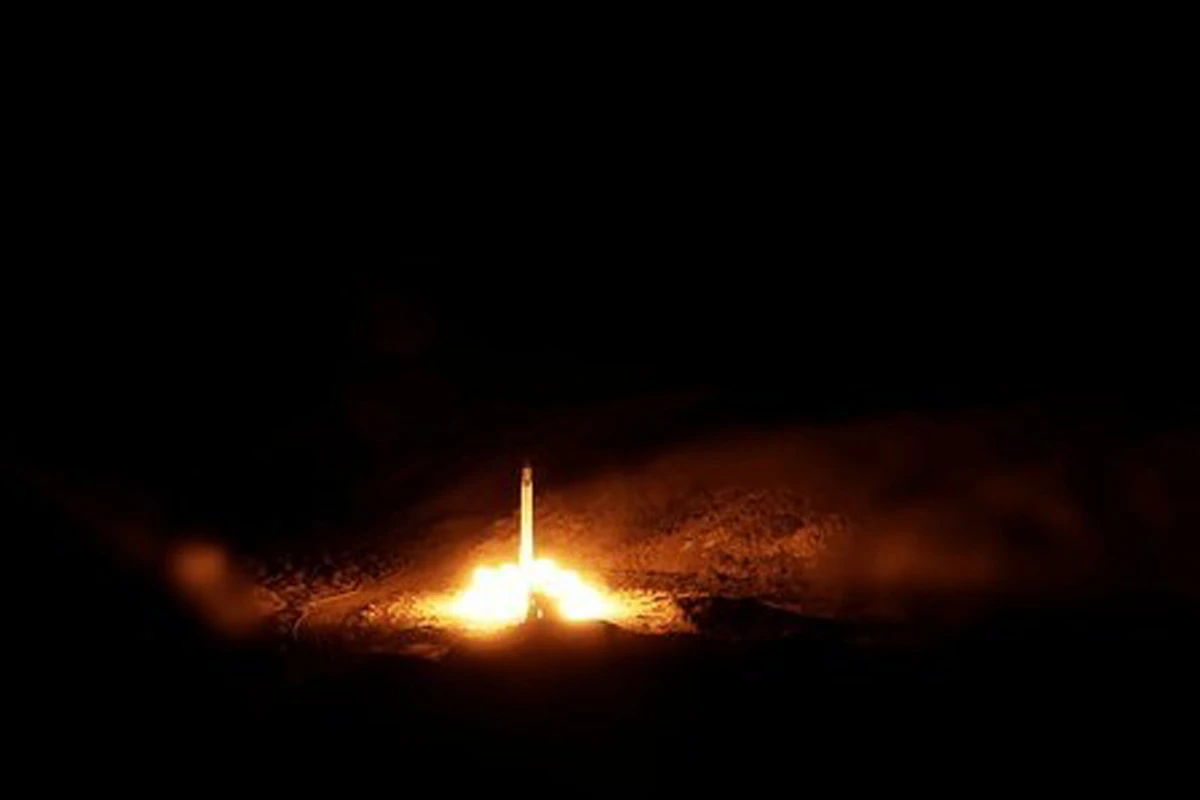
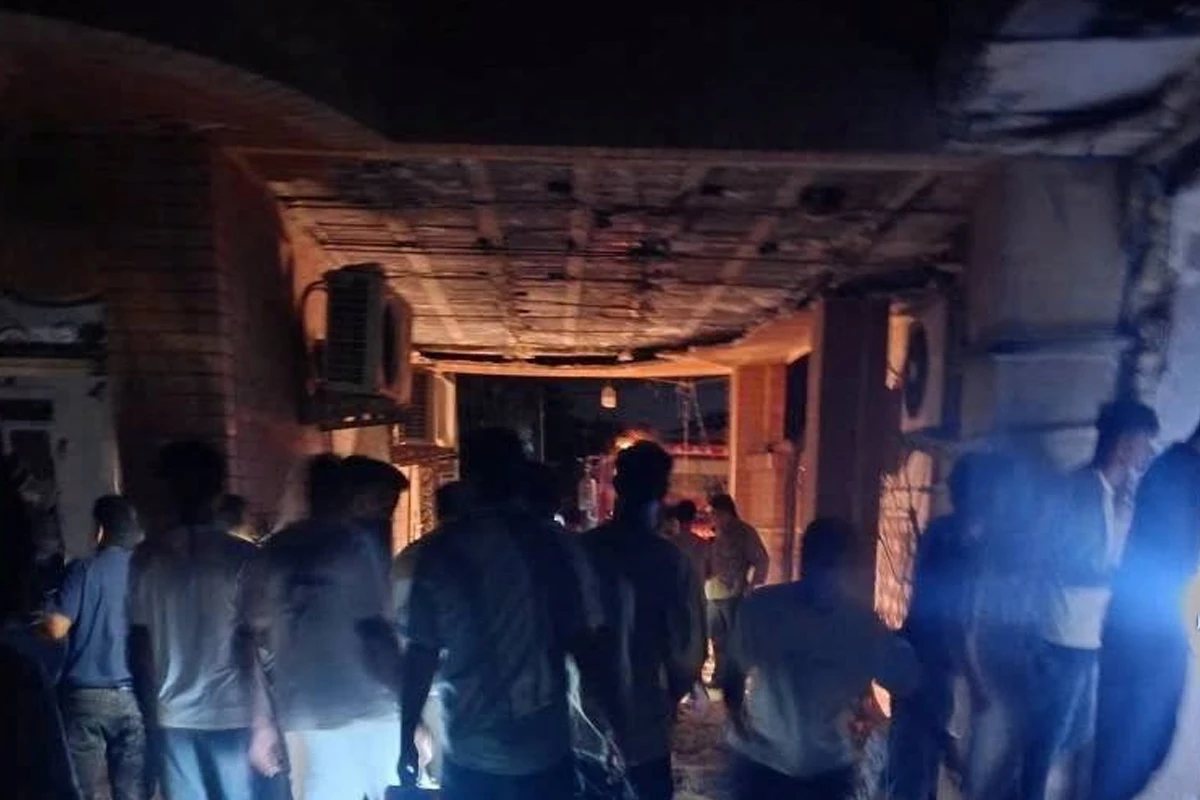
Over the weekend, the US attacked rocket launchers on Iran’s Larak Island. Iran then fired missiles toward Jordan and the United Arab Emirates.
The US carried out more strikes against Iranian targets around the Strait of Hormuz on Tuesday. It was the biggest outbreak of fighting since July and resulted in the deaths of military personnel and civilians in Iran.
“The regime has every incentive to disrupt the ‘calm’ – which is no real calm, after all, since the administration’s explicit aim is to increase economic pressure massively on Iran,” said Barbara Leaf, who served as the top State Department official for the Middle Eastunder former President Joe Biden.
Another uncertainty is Trump himself.
According to Reuters/Ipsos polling, Trump’s approval rating has fallen from 40% to 33% since the conflict began. Sources said Trump is not currently interested in escalating the war, but he is known for changing his position and could change course depending on developments.
Trump warned on Tuesday that the conflict could escalate if Iran retaliates against the latest US strikes.
“If the failed Nation of Iran retaliates for this very justified attack, they will be hit again at a much harder and higher level, but it will not be the biggest attack of them all, that is waiting in the wings,” he wrote on his Truth Social platform.
Constrained by logistics and politics
Trump has publicly said the upcoming elections were not influencing his Iran strategy.
However, as the war enters its seventh month, the White House is facing growing logistical and political challenges.
“The timetable has changed,” one senior White House official said. Another added that the “calendar is driving Iran.”
Reuters reported in August that the US military had used “virtually all” of its supply of certain precision missiles.
The Washington Post reported on Sunday that the heads of the Army, Navy and Air Force warned Pentagon chief Pete Hegseth in a written assessment that continuing the war was not sustainable and could reduce the military’s readiness in other parts of the world.
The Pentagon has said the military had “everything it needs to execute” its mission.
“President Trump has destroyed Iran’s military capabilities and is crippling what’s left of its abysmal economy with the most powerful naval blockade in world history and crushing sanctions,” White House spokeswoman Olivia Wales said. “The President will continue to advance America’s interests at home and abroad and will never allow Iran to have a nuclear weapon.”
US Gulf allies, including some countries that had earlier supported stronger action against Iran, have urged the White House to reduce tensions following a recent round of attacks in late July, regional diplomats said.
Two White House officials said Vice President JD Vance and Secretary of State Marco Rubio are among the senior Trump aides supporting efforts to keep the Iran conflict relatively “quiet” until November.
In recent weeks, the administration has increased its economic pressure campaign. The US has threatened countries that trade with Iran with major sanctions while continuing its blockade on the Strait of Hormuz.
However, analysts and officials said the economic strategy also has limitations.
Iran has faced US and international sanctions for decades. While the sanctions have badly affected its economy, they have not forced its leadership to change course.
Treasury Secretary Scott Bessent said on Sunday that the pressure campaign could lead Iran to respond militarily. This could increase the risk of further escalation.
China and some other major world powers have also not joined Washington’s efforts to isolate Iran, raising questions about how effective the campaign will be.
“The purpose of the new sanctions package is meant to add economic pressure on top of that being caused by the blockade to force Iran back to the table, after the administration determined it was a better option than returning to kinetic action,” said Alex Plitsas, a senior fellow at the Atlantic Council.
“Iran is concerned about it, but China has already indicated that it’s not willing to play ball, which calls into question how effective it will be.”
Catch all the World News, Breaking News Event and Trending News Updates on GTV News
Join Our Whatsapp Channel GTV Whatsapp Official Channel to get the Daily News Update & Follow us on Google News.
Must Read


Pakistan
Nurse Razia Noreen Hailed as National Hero for Saving Newborn During PIMS Fire
2-September،2026