US Economic D-Day Against Iran Meets SCO Firewall as Eurasia Builds Alternative Trade Routes

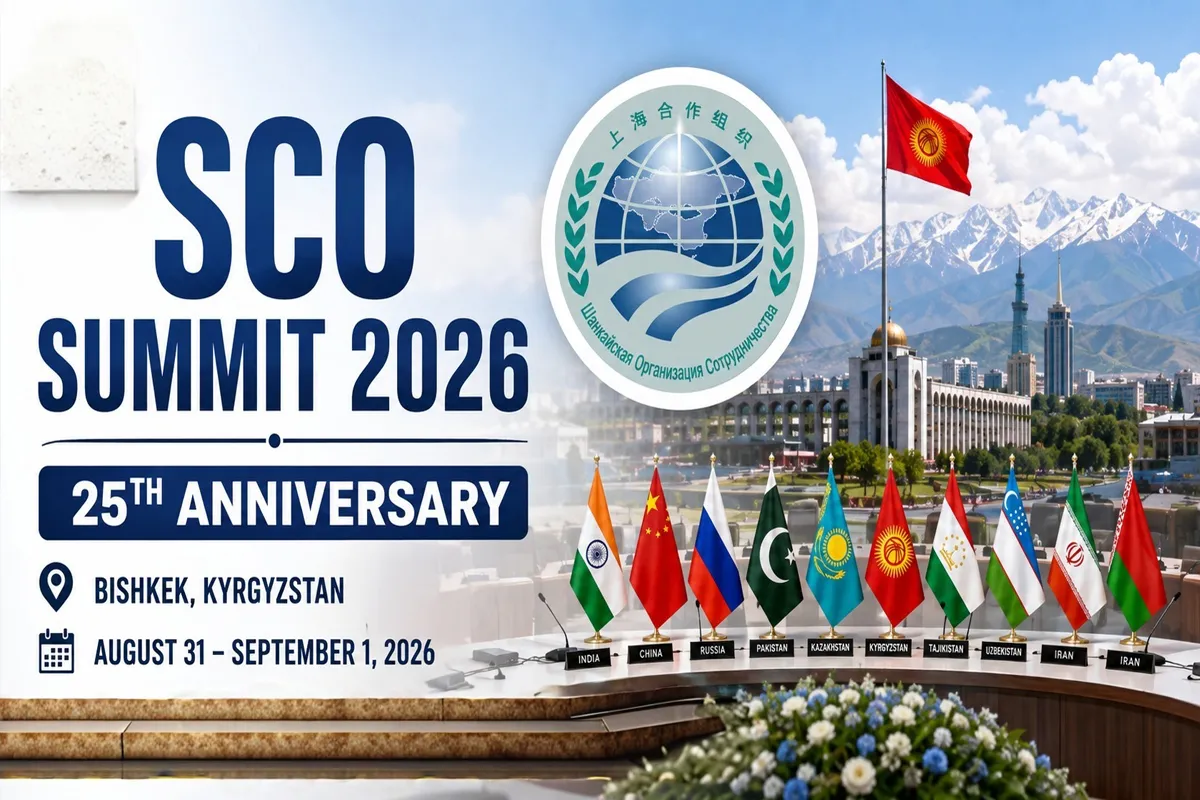
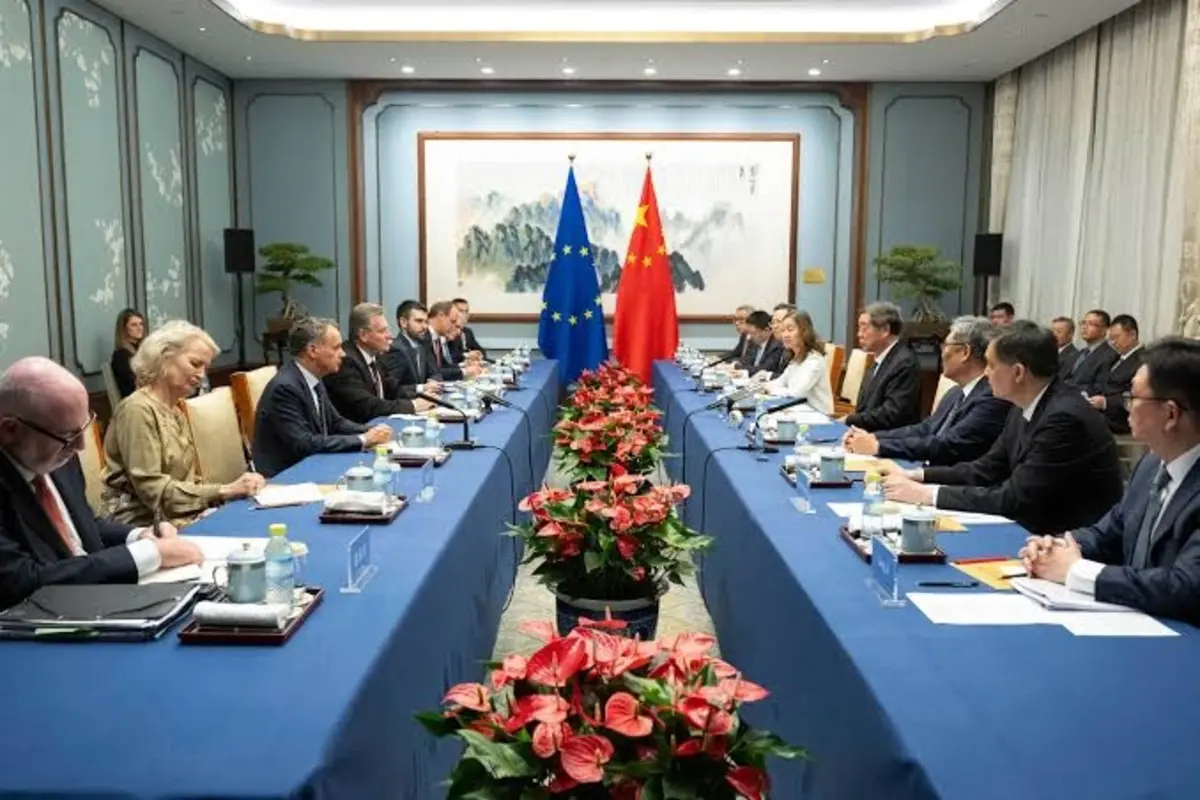
BISHKEK: The Shanghai Cooperation Organization (SCO) is strengthening an emerging economic architecture that could give Iran greater room to expand trade, investment and energy cooperation beyond the reach of US financial pressure.
For Tehran, the significance of the SCO summit in Bishkek extends beyond diplomatic declarations. Discussions surrounding national-currency settlements, alternative financial mechanisms, export insurance, energy cooperation and Eurasian transport corridors point toward a broader transformation in regional commerce.
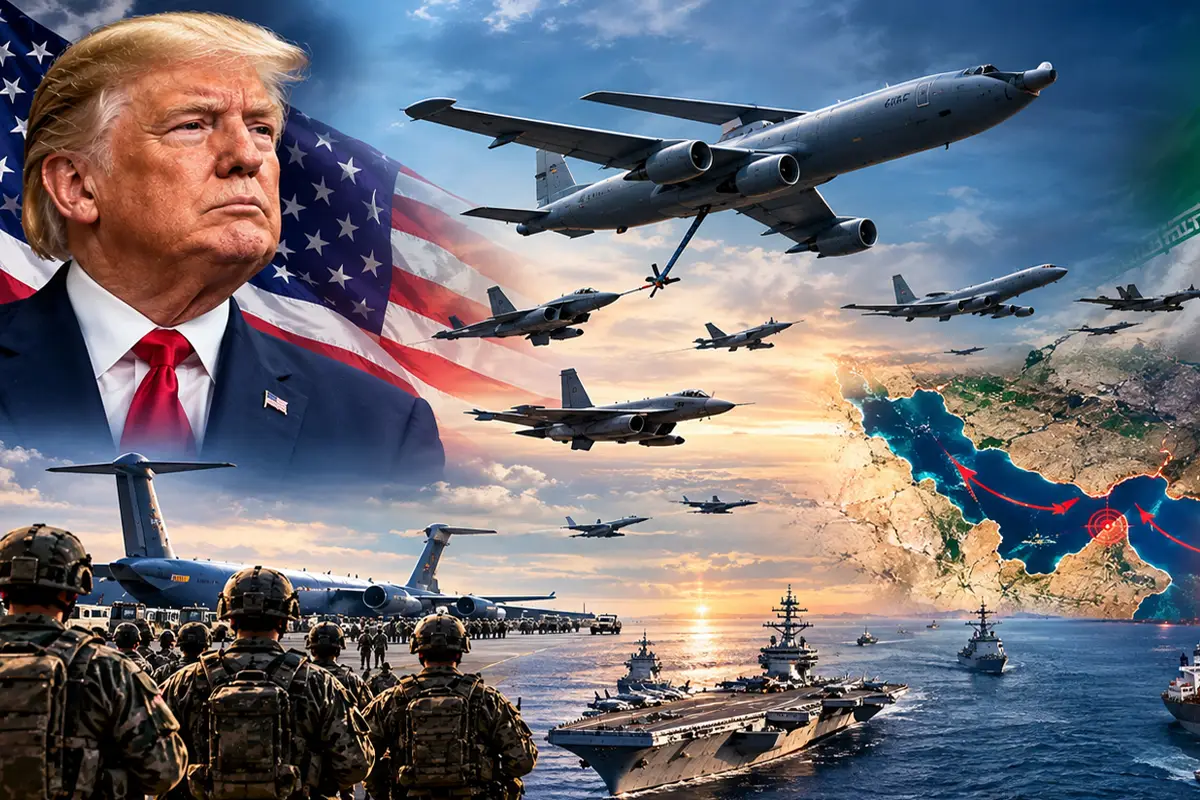
The developments come as Washington continues to rely on sanctions, restrictions on financial access and secondary sanctions as tools of economic pressure against Iran. Tehran, meanwhile, has increasingly sought to reduce its dependence on Western financial infrastructure by expanding commercial ties with Asian and Eurasian partners.
Iranian President Masoud Pezeshkian presented several initiatives in Bishkek aimed at strengthening economic cooperation among SCO members.
Among the proposals were greater use of national currencies in financial settlements, the establishment of a joint export and investment insurance mechanism, and the creation of an SCO energy consortium.
These initiatives could help create a trading environment in which access to the US dollar and Western financial institutions becomes less essential for transactions between participating countries.
For Iran, which has spent years adapting its economy to US sanctions, the development of institutional alternatives could be particularly important.
Rather than relying solely on improvised mechanisms to receive export revenues, finance imports and conduct cross-border trade, Tehran is seeking arrangements that can provide a more durable economic framework.
The SCO has already supported the gradual expansion of national currencies in settlements among interested members.
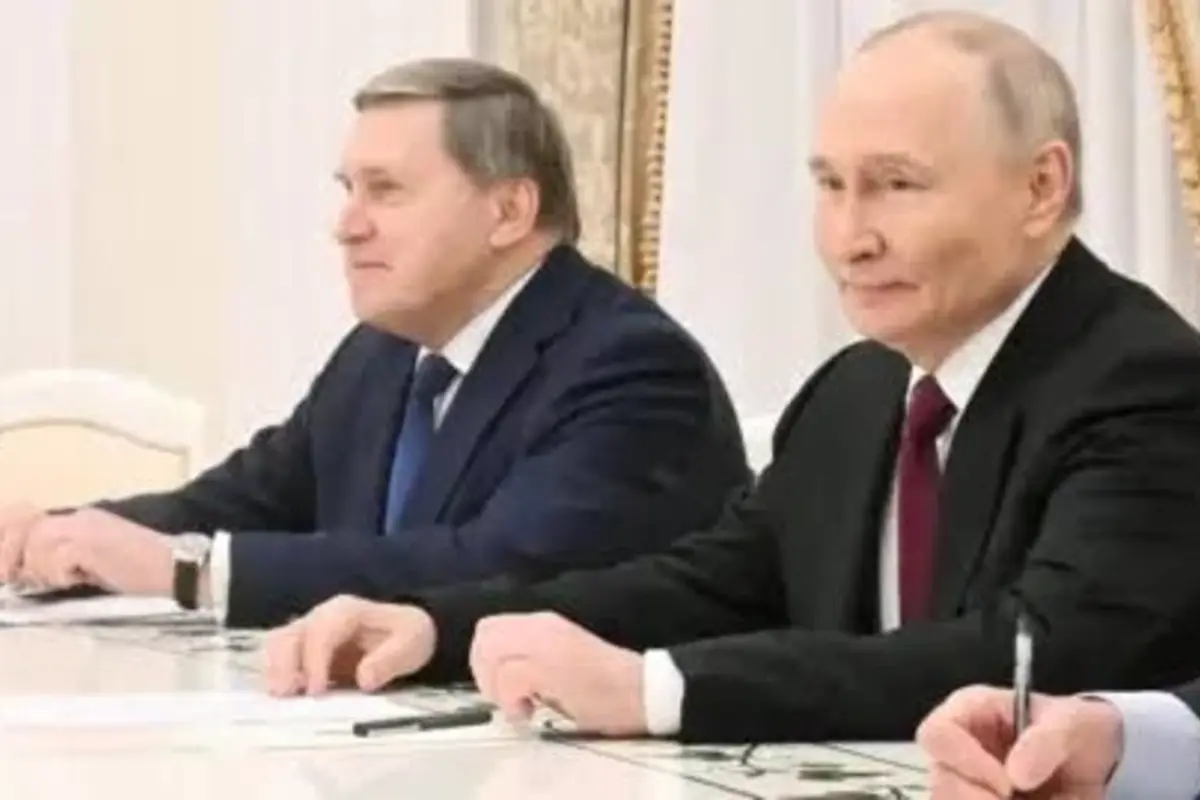
Russia has emerged as one of the strongest advocates of reducing dependence on Western financial infrastructure. Russian President Vladimir Putin said in Bishkek that national currencies accounted for more than 98 percent of Russia’s settlements with SCO partners.
For Iran, the development creates opportunities to expand transactions through currencies including the Chinese yuan, Russian ruble, Indian rupee and other national currencies.
The significance goes beyond avoiding the dollar. Greater use of local currencies can potentially reduce exposure to US-controlled payment systems and make bilateral and regional trade less vulnerable to Washington’s financial restrictions.
Pezeshkian’s proposal for an SCO Bank represents another potentially important step.
A functioning regional financial institution could provide more than payment facilities. Large-scale trade requires credit, guarantees, investment financing and long-term project funding.
An SCO-backed institution could potentially support infrastructure, energy, industrial and logistics projects across member states while providing an additional source of financing outside traditional Western financial institutions.
For Iran, such financing could be especially valuable because the country’s geographical advantages depend heavily on infrastructure investment.
Railways linking northern markets with southern ports, energy networks connecting producers and consumers, logistics hubs and industrial projects all require substantial long-term capital.
Pezeshkian’s proposal for a joint export and investment insurance mechanism could address another major obstacle to international commerce.
Cross-border trade involves risks at every stage. Exporters require protection for shipments, investors need safeguards against commercial and political risks, and financial institutions need mechanisms that allow them to participate in projects with greater confidence.
A regional insurance framework could therefore complement alternative payment systems and help make trade among SCO members more resilient.
For Iran, this could open additional space for exporters and investors operating under the pressure of Western sanctions.
Iran’s most significant economic advantage within the SCO may ultimately be its energy resources.
The organization includes major energy producers such as Iran, Russia and Kazakhstan, alongside enormous consumer markets including China and India.
Iran possesses some of the world’s largest oil and natural-gas reserves and occupies a strategic position adjacent to the Persian Gulf, one of the world’s most important energy corridors.
China and India, meanwhile, require large and reliable energy supplies to sustain industrial production, urbanisation and economic growth.
This producer-consumer relationship gives Iran strategic importance beyond the value of individual oil and gas exports.
Pezeshkian’s proposed SCO Energy Consortium could provide a platform for connecting energy producers, consumers, investors and transport networks.
For Tehran, deeper energy integration could mean linking energy exports with investment, infrastructure, technology and transportation across the wider Eurasian market.
Iran’s other major advantage is its location.
The country sits at the crossroads of Central Asia, the Caucasus, Russia, South Asia, the Persian Gulf and the broader Middle East.
That position allows Iran to function as a potential bridge between northern Eurasian economies and southern maritime markets through railways, roads, ports and multimodal transport networks.
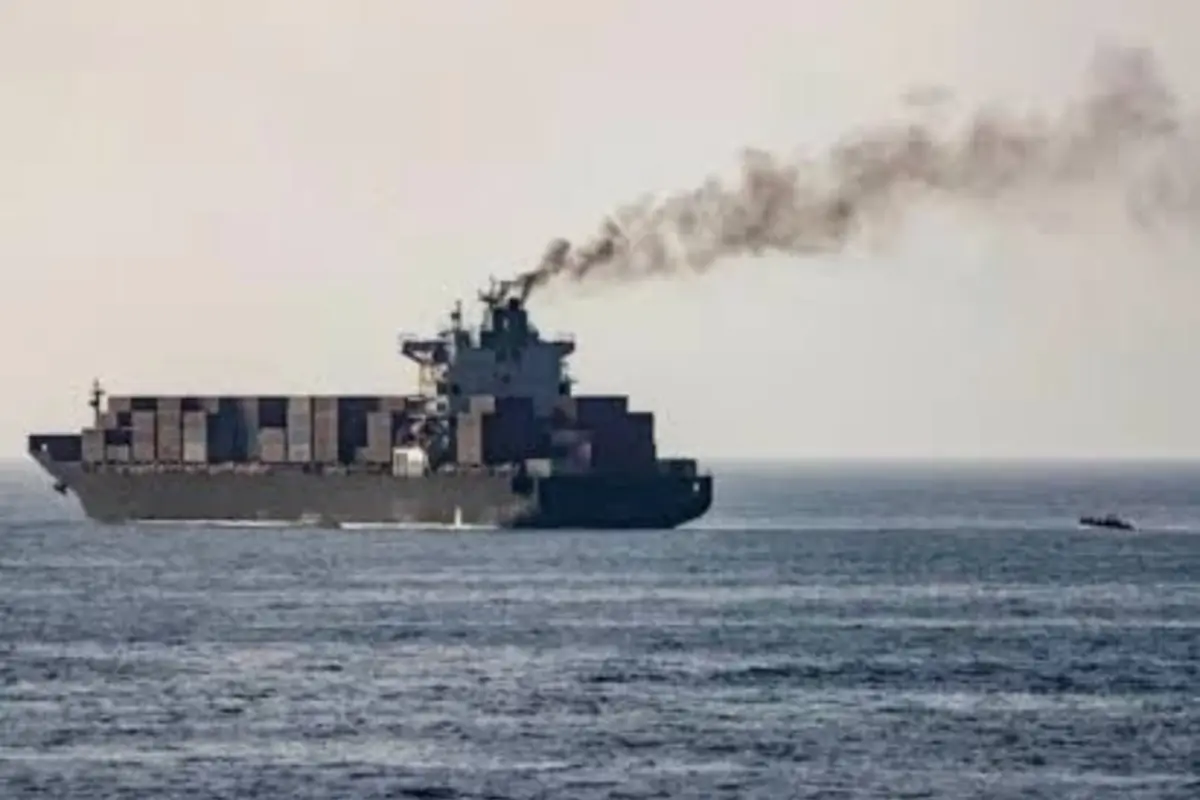
The International North-South Transport Corridor is particularly significant. It offers a route connecting Russia and other northern markets with Iranian territory and ports providing access to the Persian Gulf and Indian Ocean.
At the same time, Central Asian countries can potentially use Iranian routes to reach southern maritime trade, while India’s economic engagement with Iran provides New Delhi with an important connection toward Eurasian markets.
Transport connectivity therefore becomes another layer of economic resilience.
The more commercial routes available to a country, the more difficult it becomes to isolate that economy by restricting a limited number of ports, banks or trade channels.
Iran’s position within the SCO is strengthened by the complementary capabilities of its largest economic partners.
China offers enormous industrial capacity, technology, investment resources and access to one of the world’s biggest consumer markets.
Russia brings energy resources, commodities, industrial capabilities and extensive experience operating under Western sanctions.
India contributes enormous consumer demand, industrial strength and access to South Asian markets, while its interest in connectivity through Iran gives Tehran a significant role in India’s broader Eurasian strategy.
These powers do not form a single unified economic bloc, and their interests do not always coincide. However, their combined economic weight creates substantial opportunities for Iran.
The Bishkek summit has reinforced a direction that has already been emerging in Iran’s economic strategy.
Tehran is increasingly looking toward Asian markets, national-currency settlements, regional financial institutions, alternative payment mechanisms, non-Western insurance arrangements and Eurasian transport corridors.
The significance of the SCO is therefore not simply that it offers Iran another group of trading partners. Its deeper importance lies in the gradual institutionalisation of economic alternatives.
Washington can continue imposing sanctions within the areas of the global financial system under its influence. But as alternative centres of trade, finance, energy and transportation develop, the effectiveness of economic isolation becomes more complicated.
For Iran, the emerging Eurasian system offers a strategy built around diversification rather than dependence.
The principle is straightforward: the more routes Iran has for trade, finance and energy, the fewer routes Washington can effectively close.
Catch all the World News, Breaking News Event and Trending News Updates on GTV News
Join Our Whatsapp Channel GTV Whatsapp Official Channel to get the Daily News Update & Follow us on Google News.
Must Read