
Hub oil city plan on Fujairah model to bolster Pakistan’s energy security

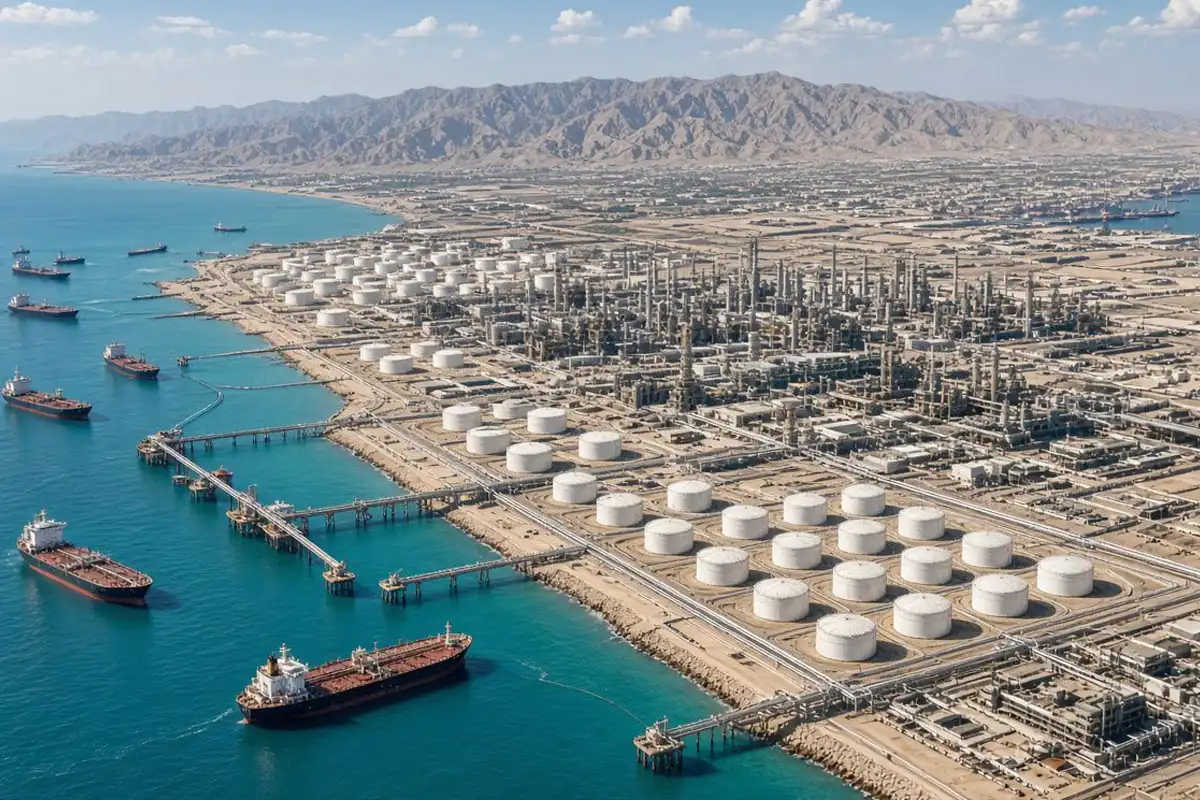
ISLAMABAD: Taking a cue from Fujairah in the UAE and Singapore, Pakistan is drawing up an ambitious plan to develop Hub in Balochistan into an integrated oil and energy hub, combining large-scale crude, Mogas, LPG and LNG storage/terminal, pipelines, port infrastructure and future refining and petrochemical facilities.
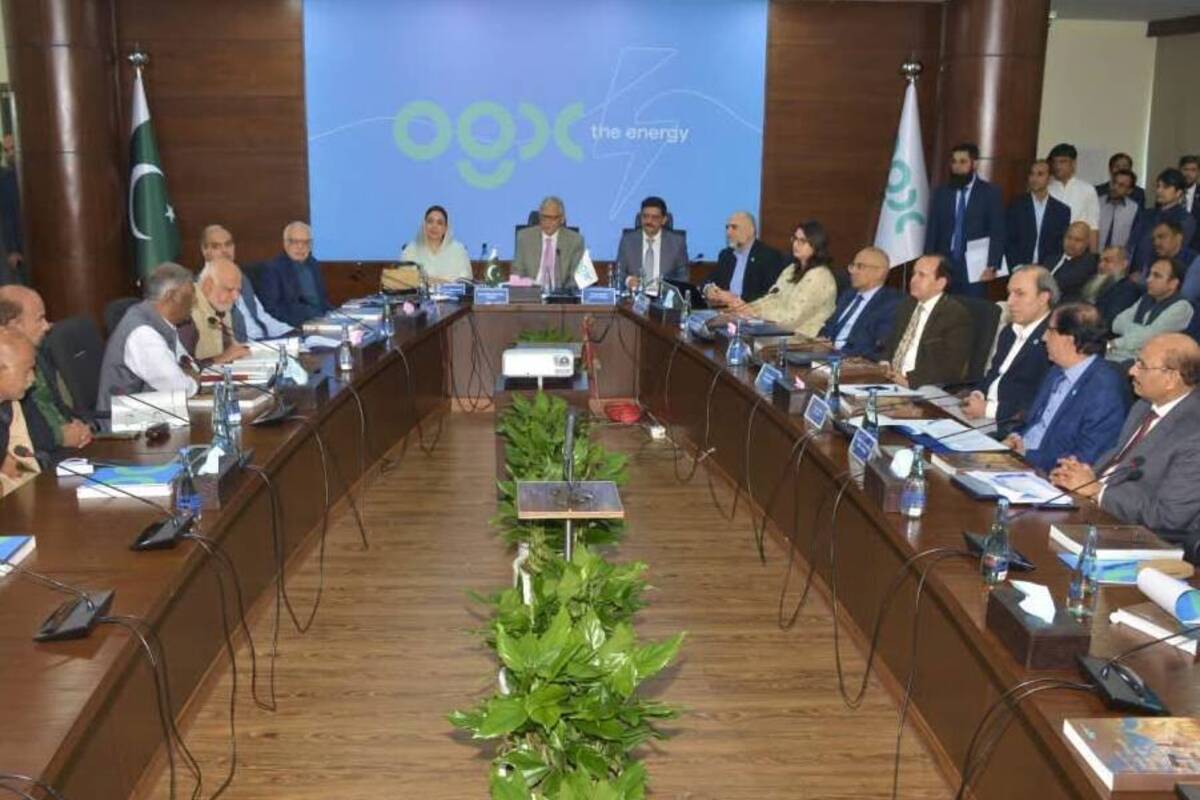
A roadmap for the proposed “oil city” has been finalised and is expected to be presented to Prime Minister Shehbaz Sharif for consideration by the end of this month, Petroleum Minister Ali Pervez Malik said.
The initiative seeks to strengthen Pakistan’s energy security by creating additional strategic and commercial reserves while establishing an integrated supply chain linking imported crude, ports, refineries, storage facilities and upcountry markets.
Under the first phase, the plan envisages 300,000 tonnes of crude storage and 100,000 tonnes of mogas storage, while bonded and strategic storage for crude and petroleum products could reach up to 1.5 million tonnes.
The overall storage capacity is projected to increase to around 2 million tonnes in subsequent phases.
The proposed Hub facility would be connected with key existing and planned pipelines. The Asia Petroleum Line, currently associated with furnace oil, is proposed to be converted into a crude pipeline, while the KNIK crude pipeline would connect the facility with the PARCO Mid-Country Refinery.
A new crude pipeline to Karachi Port Trust is also planned, along with connectivity to the White Oil Pipeline for transportation of petroleum products to upcountry markets.
The project envisages major marine infrastructure, including a two-way single-point mooring (SPM) capable of handling both imports and exports, with separate subsea pipelines for crude and petroleum products.
The proposed SPM would have a throughput capacity of 15 million tonnes per annum and would be compatible with very large crude carriers.
Officials say the infrastructure is intended to give Pakistan greater flexibility in dealing with disruptions in international oil supplies while providing a larger buffer through strategic and commercial stocks.
The proposed energy-security framework rests on three components: strategic petroleum reserves, commercial reserves and indigenisation of energy infrastructure.
Strategic petroleum reserves would provide emergency stocks, while commercial reserves would include inventories maintained by oil marketing companies, refineries and bonded storage facilities.
The third component would focus on increasing domestic production and developing upstream, midstream and downstream infrastructure.
The Hub project could eventually expand beyond oil storage and transportation into a broader industrial and logistics zone.
According to the proposal, 1,811 acres are already available with PARCO at Hub, while another 7,000 acres could potentially be made available for future development.
Future infrastructure options include additional crude and petroleum-product storage, LPG storage and terminal facilities, LNG storage and terminal facilities, petrochemical units and industrial and logistics zones.
The plan also identifies the possibility of developing a refinery with a minimum capacity of 100,000 barrels per day.
The concept takes its strategic cue from established energy hubs such as Fujairah and Singapore, where storage, maritime infrastructure, refining, trading and logistics have been developed as interconnected components.
The proposed Hub development seeks to apply a similar integrated approach to Pakistan’s petroleum supply chain, using the area’s proximity to Karachi and the Arabian Sea to connect imported crude with refining and domestic distribution networks.
The proposal also emphasises that strategic reserves alone cannot resolve Pakistan’s energy vulnerabilities. Emergency stocks would need to be supported by commercial inventories, diversified supply routes, adequate refining capacity and reliable pipeline and port infrastructure.
The roadmap is expected to be considered at the federal level later this month. Any decision to proceed would subsequently require detailed work on financing, regulatory arrangements, institutional responsibilities and the sequencing of the proposed infrastructure.
If implemented in phases, the Hub project could provide Pakistan with a significant new petroleum-storage and logistics base while laying the groundwork for a larger energy and industrial cluster in Balochistan.
Catch all the Business News, Breaking News Event and Trending News Updates on GTV News
Join Our Whatsapp Channel GTV Whatsapp Official Channel to get the Daily News Update & Follow us on Google News.
Must Read
World
Iran’s Revolutionary Guard Says It Shot Down US MQ-9 Drone Over Strait of Hormuz
20-October،2026

Entertainment
‘Ghost School’ Gets Relief as Sindh High Court Orders Censor Board Review
20-October،2026