
$100 Oil Comes Into View as Brent Climbs to $97.34 Amid Iran-US Escalation


Oil Prices Fall as Iran-Oman Talks Raise Hopes of Hormuz Reopening
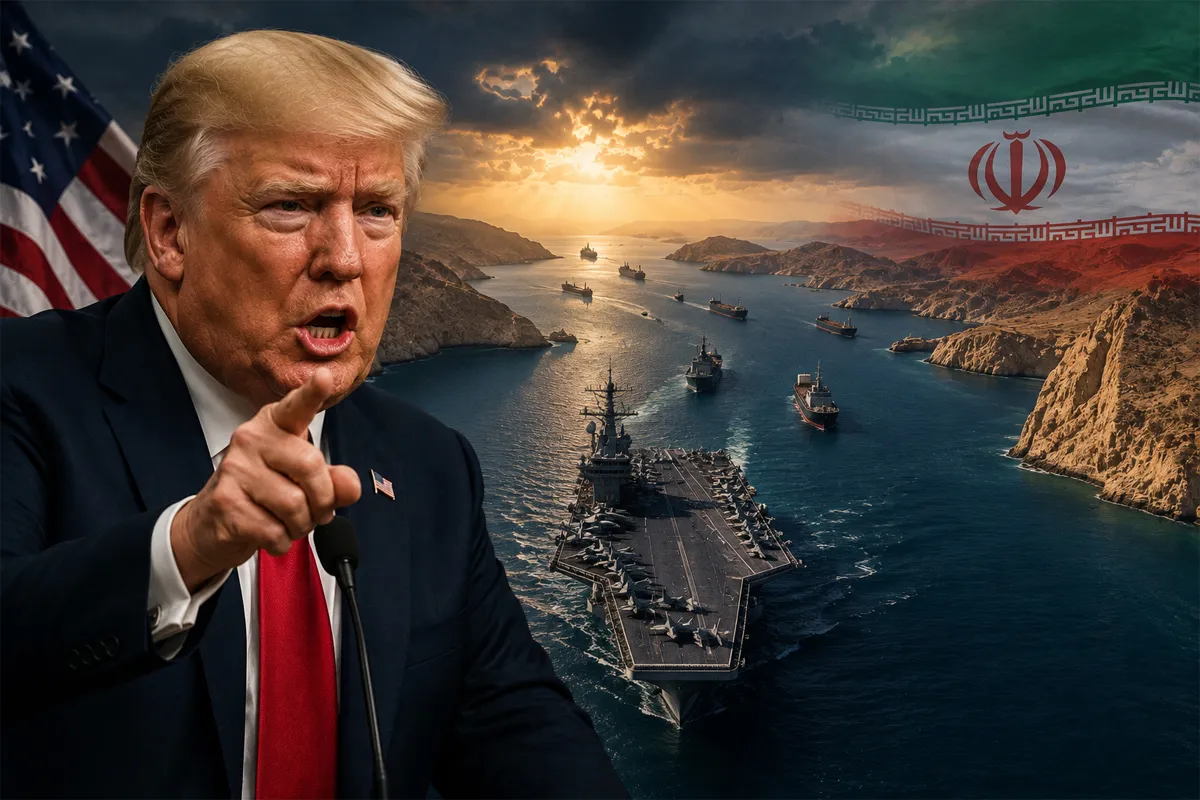
LONDON: Oil prices moved higher on Tuesday as markets prepared for the possibility of a prolonged confrontation between Iran and the United States, raising fresh concerns over energy supplies and shipping through the Gulf.
Brent crude futures rose 34 cents, or 0.35%, to $97.34 a barrel by 0000 GMT, extending gains recorded during the previous session.
US West Texas Intermediate (WTI) crude gained $1.15, or 1.26%, to $92.63 a barrel.
The latest increase reflects a growing risk premium in oil markets as traders assess the possibility of further military escalation and continued disruption to crude shipments from the region.
Brent crude had already reached its highest level since July 24 during the previous trading session, highlighting the scale of the market reaction to the latest developments.
Investors are increasingly pricing in the possibility that disruption around the Strait of Hormuz could last for an extended period rather than remain a short-term shock.
The strategic waterway is a crucial route for international energy shipments, and prolonged restrictions could tighten supplies, increase shipping costs and push crude prices higher.
Iran warned on Monday that energy infrastructure across the Gulf, including US-linked oil and gas interests, could become vulnerable if military confrontation continues.
The warning followed a series of retaliatory strikes over the weekend, with diplomatic efforts showing little immediate progress.
US Central Command said American forces had struck three Iranian oil tankers on Saturday, including one near Kharg Island, Iran’s major oil export hub.
The strikes followed attacks by Iran’s Islamic Revolutionary Guard Corps against US naval assets operating in the region.
Analysts are increasingly concerned that the latest escalation could keep Persian Gulf oil supplies below normal levels for months.
ANZ analyst Daniel Hynes said the intensifying conflict had increased the possibility of a prolonged standoff involving further military action by both sides.
He said Persian Gulf supply could remain constrained through the end of 2026 and projected that oil flows might not fully return to pre-war levels until late in the first quarter or early in the second quarter of 2027.
Goldman Sachs has also raised its oil price forecasts following the worsening outlook for Middle East shipping.
The bank increased its Brent and WTI forecasts for December 2026 by $5 to $85 and $80 per barrel, respectively.
For 2027, its forecasts were raised to $80 for Brent and $75 for WTI, reflecting the expectation that shipping disruptions in the region could continue into next year.
Marex analyst Ed Meir similarly said crude prices were likely to remain elevated through the end of the year while the conflict continued.
He pointed to the large number of unresolved issues surrounding the confrontation as a key reason for expecting continued volatility in oil markets.
The Strait of Hormuz remains at the centre of concerns over the global oil market.
Any prolonged disruption to the waterway could affect crude exports from major Gulf producers, increase tanker insurance and transportation costs and place additional pressure on energy prices worldwide.
With Iran warning of further retaliation and Washington maintaining military operations in the region, traders are closely monitoring developments around the Strait.
A continued escalation could push Brent crude closer to the $100-per-barrel threshold, while a diplomatic breakthrough could ease some of the risk premium currently built into global oil prices.
Catch all the Business News, Breaking News Event and Trending News Updates on GTV News
Join Our Whatsapp Channel GTV Whatsapp Official Channel to get the Daily News Update & Follow us on Google News.
Must Read

Pakistan
Fire Breaks Out at KMC Headquarters in Karachi, Mayor’s Office Completely Burnt
8-September،2026