US Senator Slams Trump’s ‘War of Choice’ Against Iran as Costs Soar Past $100 Billion

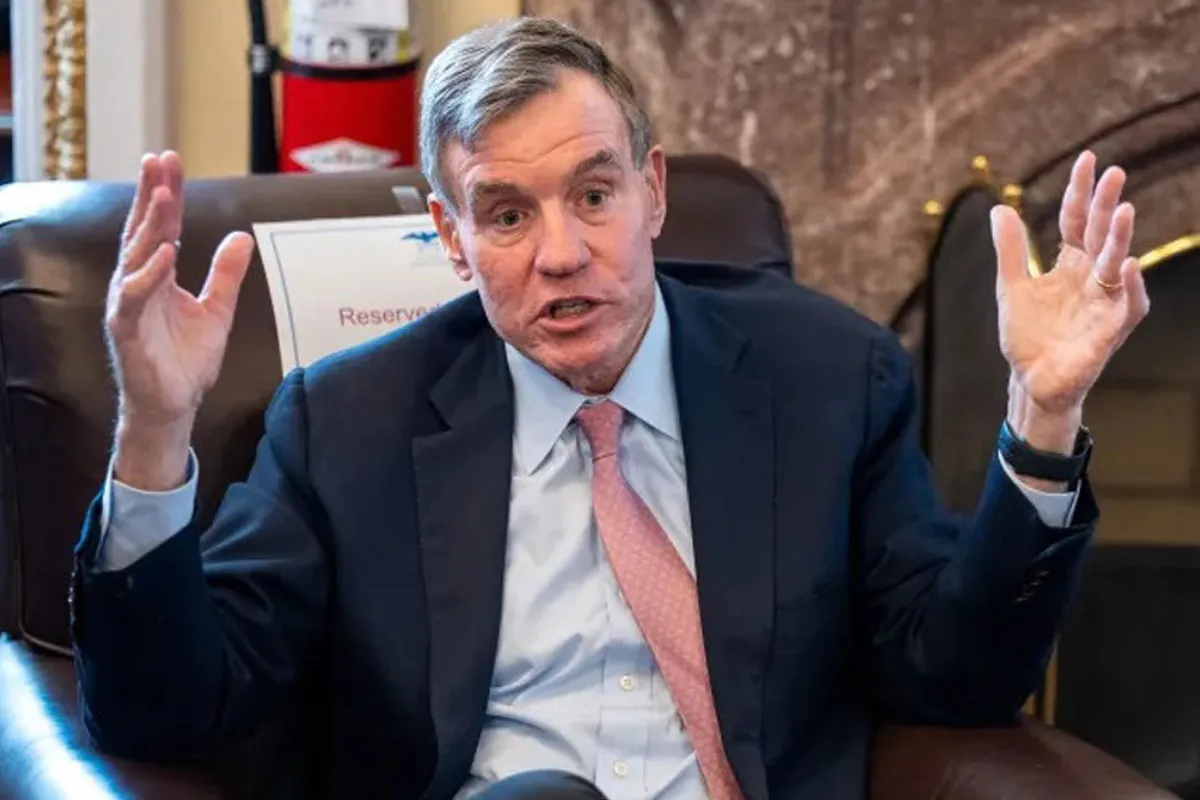
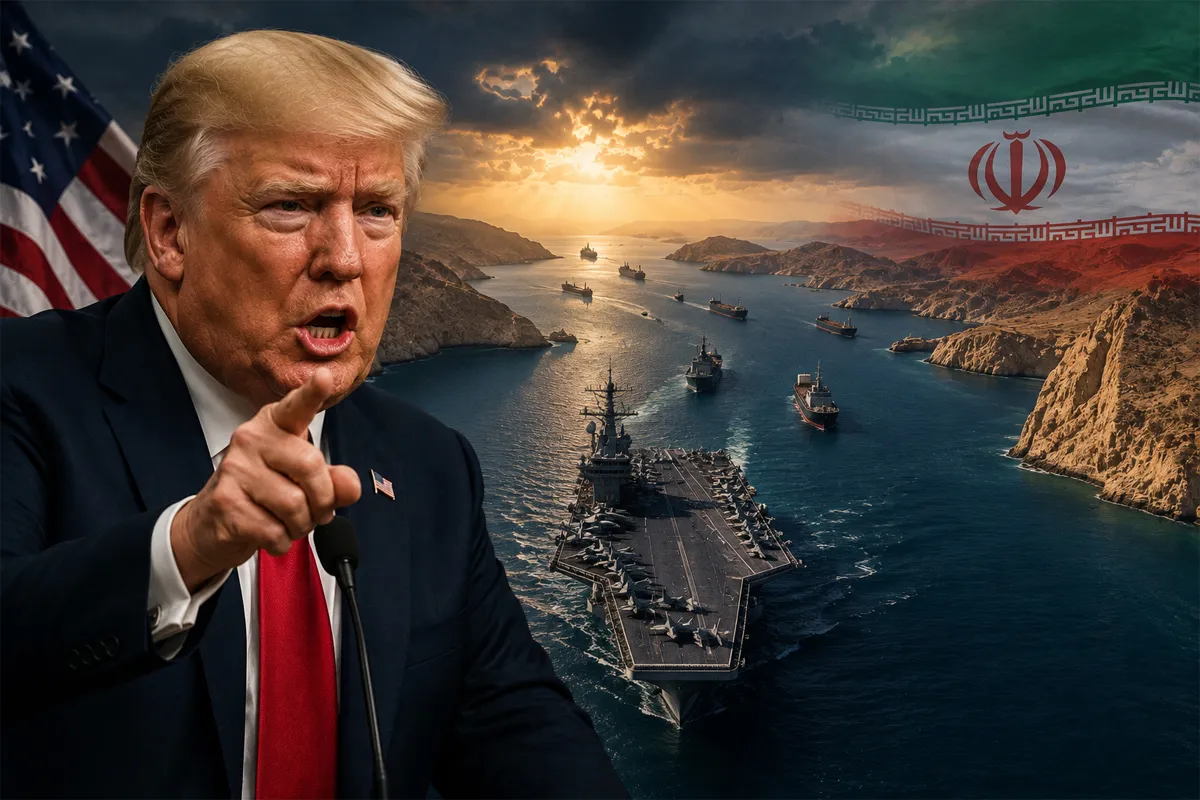
WASHINGTON: Democratic Senator Mark Warner has sharply criticised President Donald Trump’s ongoing war against Iran, describing it as a costly “war of choice” launched without a clear strategy, reliable allies or an exit plan.
In a video message posted on X, Warner said the conflict had already cost American taxpayers around $100 billion, with the financial burden continuing to increase rapidly.
Warner, vice chairman of the Senate Intelligence Committee, said the cost of the war was rising by approximately $1 million every two minutes.
He argued that even after months of military operations, the administration had failed to achieve the objectives it originally outlined.
Warner said the United States had entered the conflict without a coherent plan for achieving its political and military objectives or determining how the war would eventually end.
He argued that a war launched without a strategy, international support or a clear route to de-escalation inevitably creates enormous financial and strategic risks.
Warner has repeatedly described the conflict as a “war of choice” since the hostilities began in late February.
According to the senator, the administration had failed to demonstrate that Iran posed an imminent threat requiring such a large-scale military response, while Congress had not provided explicit authorisation for the war.
Warner has also pointed to several objectives associated with Trump’s Iran policy, including regime change, eliminating Iran’s enriched uranium, destroying its missile and drone capabilities and securing the Strait of Hormuz.
He argues that these goals remain either incomplete or unachieved despite the enormous military expenditure.
At the same time, American service members have been exposed to additional risks, US military stockpiles have come under pressure and higher energy costs have affected American consumers.
Warner’s latest criticism reflects broader opposition to the conflict in Congress.
Several Democratic senators, including Minority Leader Chuck Schumer, Tim Kaine, Adam Schiff, Chris Van Hollen and Elizabeth Warren, have supported measures seeking to restrict the president’s authority to conduct military operations without congressional approval.
Critics have described the war as reckless, costly and strategically ineffective, arguing that it has produced significant financial and human costs without delivering clear benefits for US national security.
Some Republicans have also questioned the expansion of presidential war powers. Senators including Rand Paul, Lisa Murkowski, Susan Collins and Bill Cassidy have at different points supported efforts to impose limits on executive authority over military action.
In the House of Representatives, lawmakers including Thomas Massie, Pramila Jayapal and Adam Smith have criticised the absence of congressional authorisation and questioned the administration’s strategy.
They have warned that continued military operations could further drain US weapons reserves, increase financial pressure and expose American personnel to additional danger.
Congress has considered war powers resolutions on multiple occasions, with some receiving bipartisan support, although efforts to end the hostilities have not consistently secured enough votes.
Lawmakers have also highlighted the wider economic consequences of the conflict.
The war has increased pressure on military budgets and weapons inventories while contributing to higher energy prices.
Critics argue that ordinary Americans are ultimately bearing the financial burden of a conflict over which they have had limited influence.
Warner said the continued increase in costs was particularly difficult to justify given the lack of progress toward the objectives presented by the administration.
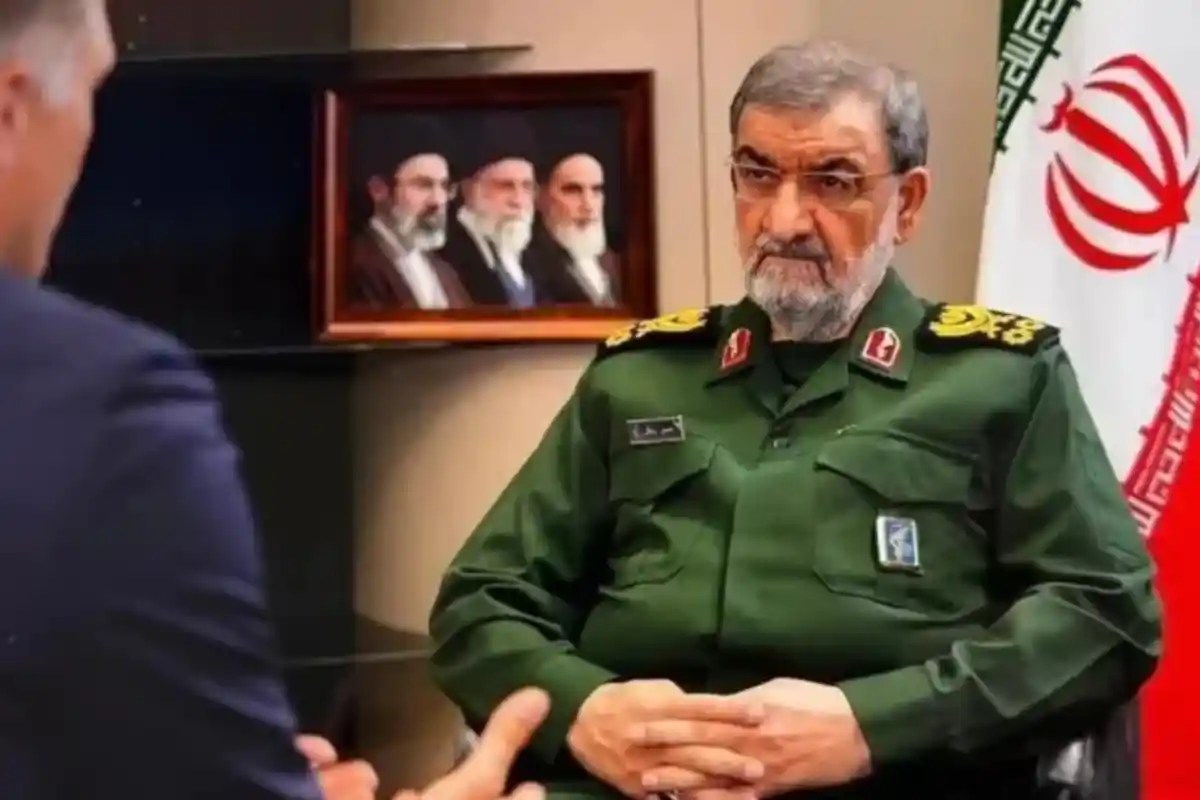
Iranian officials have consistently described the US-Israeli offensive launched on February 28 as an unprovoked attack against a sovereign state.
Tehran has argued that the failure to achieve American military objectives demonstrates the limits of military pressure and economic sanctions against Iran.
Iranian officials have also pointed to national resistance and continued military capabilities as evidence that Washington cannot force Tehran to accept its demands through military action alone.
Warner’s remarks add to an increasingly intense debate in Washington over the cost, legality and strategic purpose of the Iran war.
The central question facing the Trump administration is no longer simply how to continue military operations, but how to justify their enormous cost and identify a realistic path toward ending the conflict.
With the financial burden continuing to rise and military objectives still disputed, critics such as Warner argue that the war has become a self-inflicted strategic and economic burden for the United States.
Catch all the World News, Breaking News Event and Trending News Updates on GTV News
Join Our Whatsapp Channel GTV Whatsapp Official Channel to get the Daily News Update & Follow us on Google News.
Must Read