
Iran’s President Pezeshkian Highlights Governance Problems After Meeting Supreme Leader

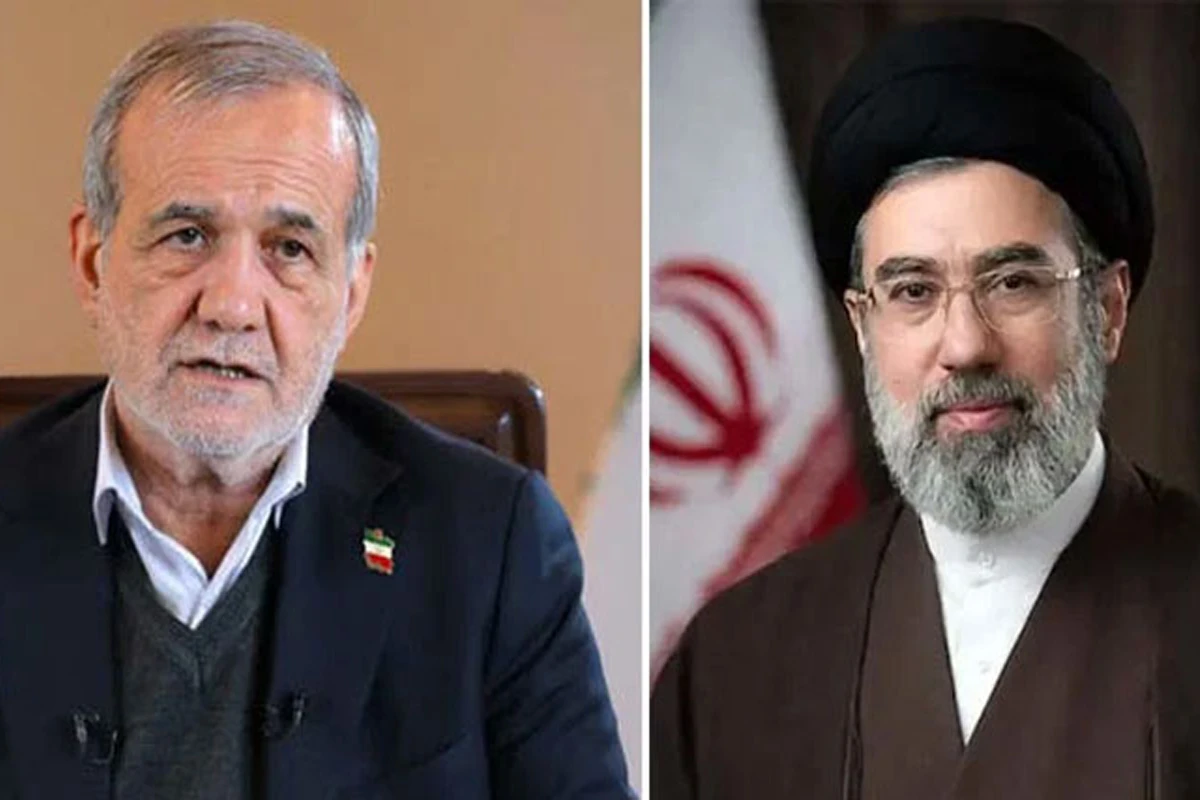
Iranian President Masoud Pezeshkian has called for fundamental changes to the country’s administrative system, identifying a shortage of qualified personnel and weak implementation of decisions as major obstacles to effective governance.
Speaking at a university opening ceremony marking the start of the new academic year, Pezeshkian discussed a lengthy meeting with Supreme Leader Mojtaba Khamenei, describing the challenges facing the government as problems of administration rather than a lack of national resources.
The president said he had met Khamenei twice during the seven months following his election. His latest remarks marked another public reference to the discussions, which he described as covering administrative and governmental problems.
Pezeshkian argued that Iran’s difficulties could not simply be attributed to insufficient resources or limited opportunities. In his assessment, the country also lacked enough capable people in important positions, while decisions that were considered appropriate frequently failed to translate into effective action.
His comments point to concerns about the gap between policymaking and implementation across government institutions. Even where officials identify solutions, the intended results can be undermined if qualified personnel are unavailable or administrative structures fail to carry decisions through.
The president also criticised the management of some state-owned companies, questioning whether their current practices could reasonably be described as effective management. His remarks suggested that improving public administration would require changes not only in personnel appointments but also in how government-linked organisations operate.
Another issue he highlighted was the difficulty of appointing suitable candidates to senior positions. Pezeshkian explained that the government sometimes seeks to place a qualified individual in a particular role, only for objections from the judiciary or other institutions to emerge later and complicate the appointment process.
Such institutional obstacles can create uncertainty over the selection of senior officials and complicate efforts to improve administrative performance. Pezeshkian’s comments indicate that he sees coordination between government bodies as an important part of addressing Iran’s governance problems.
The president’s emphasis on merit-based appointments and effective implementation reflects a broader administrative challenge: the availability of national resources does not automatically guarantee effective public services or successful policy outcomes. Institutional coordination, managerial competence and clear responsibility for decisions are also essential to government performance.
However, the remarks did not specify a timetable for reforms or identify particular appointments that had been blocked. Nor did they establish which institutions would be responsible for implementing any changes discussed during the meeting with Khamenei.
The comments offer an insight into the concerns Pezeshkian is raising about the functioning of Iran’s political and administrative system. Whether those concerns lead to concrete reforms will depend on the measures adopted by the government and the cooperation it receives from other state institutions.
Catch all the World News, Breaking News Event and Trending News Updates on GTV News
Join Our Whatsapp Channel GTV Whatsapp Official Channel to get the Daily News Update & Follow us on Google News.
Must Read