
Sidhu Moose Wala’s 3D Hologram Concert Sparks Online Discussion

Sidhu Moose Wala’s 3D Hologram Concert Sparks Online Discussion
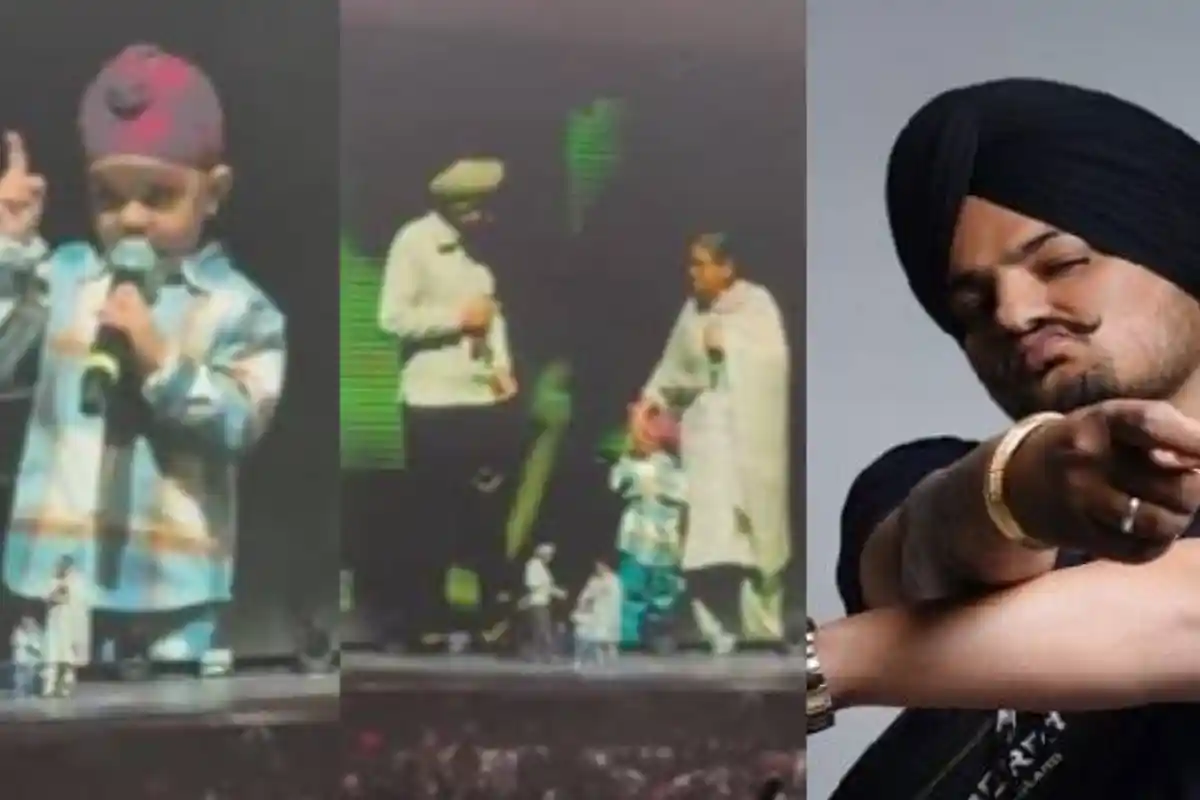
The late Punjabi singer Sidhu Moose Wala Toronto hologram concert has creating buzz on social media as user describe it the show as a “Dajjal fitna” concept. The debate expanded attention after the tour’s first presentation took place at Scotiabank Arena in Toronto on October 9, 2026.
In the concert, a 3D projection of the late singer shown on stage together with his parents and his two-year-old younger brother, Shubhdeep Singh Sidhu, also known as Chhota Sidhu. The sensitive appearance fascinated attention online, mainly after the young child copied his late brother’s signature “thaapi” movement.
Check Out:
भित हेटी, थत भेरात्त विप्लवुल भिंपु दृाला…
Sidhu Moosewala 🫡
little Sidhu with his parents at Scotiabank Arena,
Toronto-and when he did that iconic घथी, you could feel the love.#hologramtour2026 #sidhumoosewala https://t.co/QoCM7EdERS
— Bharat Indians (@voicesindians) October 11, 2026
The concert also drew criticism from some social media users, including Pakistani actress Mishi Khan, who reportedly described the concept as “Dajjali.” The term refers to beliefs about the deception associated with Dajjal in Islamic end-times traditions. Some online commentators questioned the idea of recreating the presence of a deceased person through technology.
Check Out:
View this post on Instagram
However, the show uses visual effects and recorded material rather than any supernatural means. The holographic presentation recreates the singer’s appearance on stage, while the audio features original studio recordings and archived vocals recorded before his death.
The production is intended to present Sidhu Moose Wala’s music to audiences through a modern concert format and preserve his artistic legacy. His family’s participation has also put an emotional aspect to the performances for fans who still remember the singer.
The controversy emphasizes the rising debate around the use of holograms and artificial intelligence in entertainment, mostly when they are used to re-form deceased artists. While some viewers welcome the technology as a way to celebrate a performer’s legacy, others raise religious and ethical concerns about such presentations.
The viral debate has therefore brought together questions about faith, technology and the ways artists can remain connected with audiences after their death.
Catch all the Entertainment News, Breaking News Event and Trending News Updates on GTV News
Join Our Whatsapp Channel GTV Whatsapp Official Channel to get the Daily News Update & Follow us on Google News.
Must Read

Pakistan
Report Raises Questions Over Alleged Misuse of 23 Government Vehicles by KP PTI Members
14-October،2026