
Electricity Unit Prices Could Rise Massively Soon

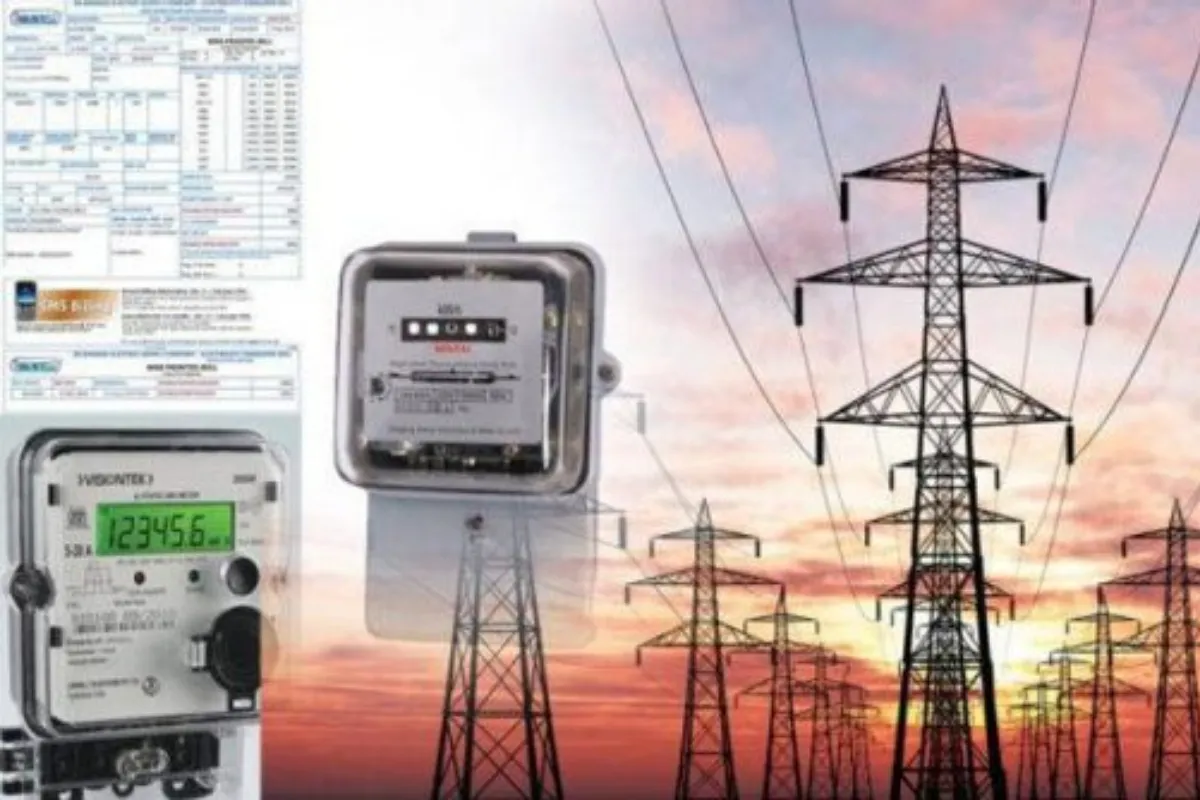
Govt unveils plan to cut electricity bills in 2026
The federal government has approved a new electricity surcharge of Rs 3.23 per unit for the financial year 2025–26. This decision is part of a broader plan to restructure Rs 1.25 trillion in circular debt, a major issue in Pakistan’s power sector.
According to a report by AKD Securities, the new surcharge will help repay both principal and interest on the restructured debt. The previous surcharge only covered interest payments.
The government plans to replace expensive loans—such as PHPL loans at KIBOR + 2% and IPP dues as high as KIBOR + 4%—with cheaper financing at KIBOR – 0.9%. This step is expected to save around Rs 200 billion annually.
Rs 683 billion to clear PHPL (Power Holding Private Limited) loans
Rs 280 billion for nuclear power projects
Rs 220 billion for RLNG-based Independent Power Producers (IPPs)
Rs 720 billion through renegotiated agreements with IPPs and hydropower projects
Additionally, the federal budget for FY26 sets aside Rs 250 billion to support this financial restructuring.
In a separate but related move, NEPRA has lowered the average base electricity tariff by Rs 1.50 per unit for FY26. The new rate is Rs 34.00/kWh, compared to Rs 35.50/kWh last year.
This reduction follows a drop in the Power Purchase Price (PPP) by Rs 212 billion, broken down as:
Rs 186 billion drop in capacity charges (Rs 1.34/kWh)
Rs 36 billion drop in energy charges (Rs 0.07/kWh)
NEPRA also included Rs 58.7 billion in past-year adjustments, equal to Rs 0.38/kWh. The total revenue requirement approved stands at Rs 3.52 trillion, down Rs 247 billion from the previous year.
To keep electricity prices the same across all regions and for K-Electric customers, the government will give Rs 249 billion in subsidies.
The government is also working on long-term reforms to improve efficiency and reduce costs. These include:
Early retirement of IPPs
New tariff agreements with power producers
Increasing captive gas tariffs (now at Rs 41.9/kWh) to shift more industrial users back to the national grid (which costs Rs 32.6/kWh)
These changes are expected to stabilize power tariffs in the medium term. Demand growth, fewer expensive captive units, and better anti-theft measures will help keep costs steady, according to analysts at AKD Securities.
Catch all the Business News, Breaking News Event and Trending News Updates on GTV News
Join Our Whatsapp Channel GTV Whatsapp Official Channel to get the Daily News Update & Follow us on Google News.
Must Read

Pakistan
Mustafa Amir Murder Case: Armaghan and Shiraz Refuse to Receive Court Notices
13-October،2026
Technology
Pakistan Moves Closer to Finalising Satellite Internet Regulatory Framework
13-October،2026
Business
Oil Prices Drop as Russian Diesel Supply Prospects Counter Gulf Supply Concerns
13-October،2026