
Govt Tightens Fuel Import Regime with Daily Pricing Guidelines

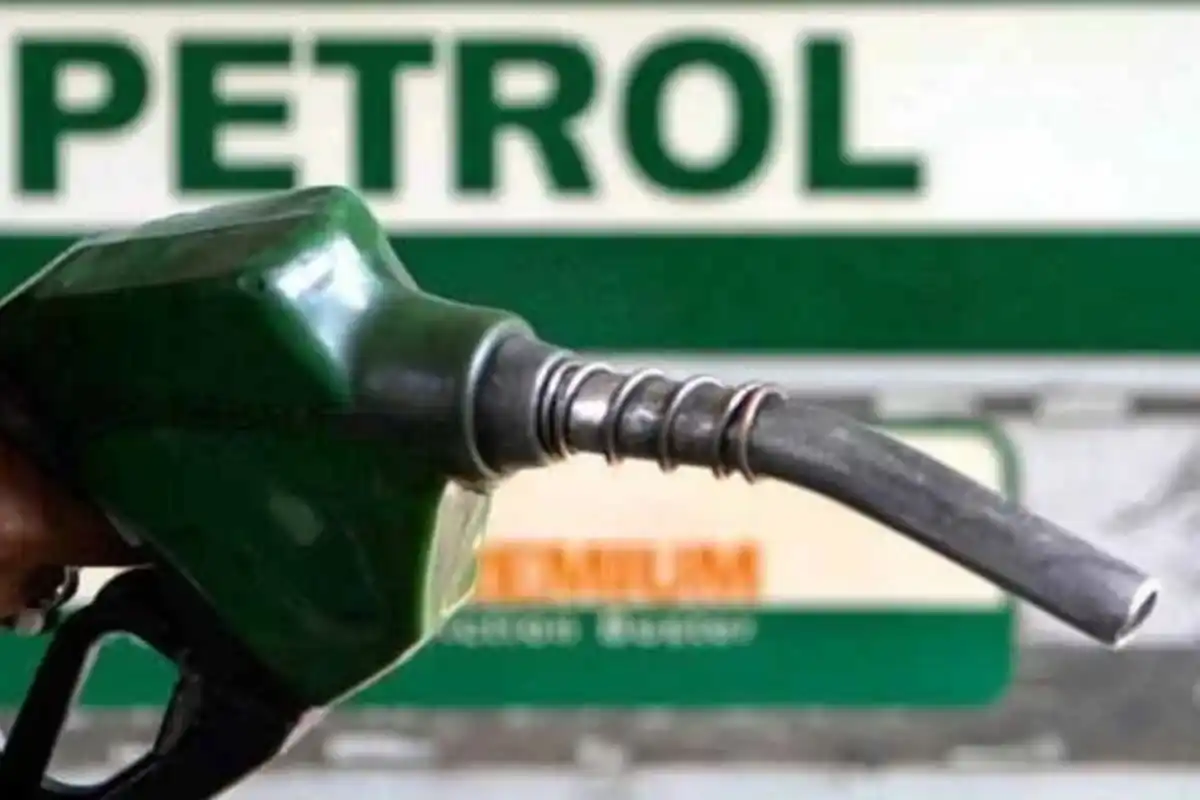
Petroleum Levy Unchanged as Government Announces New Fuel Prices
ISLAMABAD: The federal government has issued policy guidelines for a sweeping overhaul of Pakistan’s petroleum pricing regime by replacing the existing weekly adjustment mechanism with a daily market-based system, while simultaneously restricting High-Speed Diesel (HSD) imports exclusively to Pakistan State Oil (PSO) and introducing stringent penalties for oil marketing companies (OMCs) that fail to fulfil import or refinery uplift commitments.
According to policy guidelines proposed under Section 21 of the Oil and Gas Regulatory Authority (OGRA) Ordinance, 2002, OGRA would be authorised to determine and publish ex-depot prices of petroleum products on a daily basis without requiring prior approval from the federal government or the prime minister. Prices announced on Fridays would remain effective over the weekend.
The policy also proposes that only PSO would be allowed to import HSD during fiscal year 2026-27, effectively barring private OMCs from diesel imports in an apparent bid to centralise procurement and safeguard strategic fuel supplies.
In another significant regulatory measure, OMCs importing Motor Spirit (MS) would be required to meet their allocated import commitments based on market share and maintain mandatory uplift from domestic refineries. Companies failing to import the committed quantities within the scheduled month or defaulting on agreed refinery uplift obligations would be disqualified from receiving further import allocations for nine months.
Officials say the reforms are intended to make domestic fuel prices more responsive to international market movements while enhancing transparency in the pricing mechanism. The proposal comes amid continued volatility in global oil markets driven by geopolitical tensions, fluctuating demand and uncertainty over production policies adopted by major oil-producing countries.
Under the proposed framework, the benchmark Free on Board (FOB) price for Motor Spirit (MS) and High-Speed Diesel (HSD) would be calculated using a rolling average of seven working days based on the published Platts Arab Gulf assessments for MS 92 Research Octane Number (RON) and HSD 10 parts per million (ppm).
Unlike the existing system, under which international price movements are passed on to consumers after a week, the proposed methodology would allow domestic prices to adjust daily, reducing the likelihood of large price revisions at the end of each pricing cycle.
The framework also introduces revised procedures for incorporating import-related costs into the pricing formula.
For petrol, whenever PSO imports cargoes during the preceding seven working days, the weighted average of actual premiums, incidentals and customs duty would be used. If no imports occur during the reference period, the calendar year-to-date average of these costs would be applied.
The proposal further provides that if PSO concludes a long-term supply agreement with an overseas supplier, including OQ Trading of Oman, the contracted premium would be used during periods when no recent imports are available.
For HSD, actual import premiums would continue to apply whenever fresh cargoes are imported. In the absence of imports during the preceding seven working days, the premium under PSO’s long-term contract with Kuwait Petroleum Corporation (KPC) would serve as the benchmark, while incidentals and customs duty would be determined on the basis of calendar year-to-date averages.
Perhaps the most consequential institutional change is the transfer of operational pricing authority to OGRA.
Instead of waiting for weekly approval by the federal government, the regulator would independently calculate and publish ex-depot prices each working day. The Directorate General (Oil) would merely be informed of each publication, significantly reducing administrative intervention in operational pricing decisions.
However, the government would retain fiscal control through the Petroleum Levy (PL), one of its largest sources of non-tax revenue. The levy would continue to remain within the ceiling approved by the federal cabinet, while annual rates would be determined by the Finance Division. Any revision during the fiscal year would require the finance ministry’s approval.
To improve transparency, OGRA would also publish the daily Platts Arab Gulf benchmark prices for petrol and diesel on its website from July 1, 2026, allowing consumers and market participants to compare international reference prices with domestic retail prices.
Other elements of the pricing formula—including exchange rate adjustments, Refinery Regulatory Duty (RRD), Research Octane Number adjustments, HSD sulphur penalties and Inland Freight Equalisation Margin (IFEM) settlements—would remain unchanged.
The proposed methodology would also extend to Superior Kerosene Oil (SKO) and Light Diesel Oil (LDO), both of which would be priced daily using the same seven-working-day rolling average of Platts assessments.
A major shift in fuel pricing policy
The proposed framework represents one of the most significant reforms to Pakistan’s downstream petroleum sector since fuel pricing was gradually deregulated.
For nearly a decade, retail fuel prices have been revised every fortnight, with international oil prices, exchange rate fluctuations and fiscal adjustments accumulating over two weeks before being reflected in domestic prices. The government believes a daily pricing mechanism would enable smaller but more frequent adjustments, improving alignment with international market trends while reducing the sharp price shocks often associated with fortnightly revisions.
Industry observers, however, say the success of the proposed framework will depend on its implementation. Daily price revisions will require OMCs, dealers and digital payment systems to update retail prices far more frequently than at present, while companies are expected to seek greater clarity on inventory valuation, taxation and operational procedures.
OGRA has been tasked with developing detailed implementation guidelines before the mechanism comes into force.
If implemented, the reforms would mark a decisive shift towards a more transparent and market-responsive petroleum pricing system while strengthening regulatory oversight of imports and preserving the federal government’s control over fiscal instruments such as the petroleum levy.
Catch all the Business News, Breaking News Event and Trending News Updates on GTV News
Join Our Whatsapp Channel GTV Whatsapp Official Channel to get the Daily News Update & Follow us on Google News.
Must Read


Pakistan
Maryam Nawaz Vows to Empower Women and Provide Students with a Safe Environment
20-October،2026